
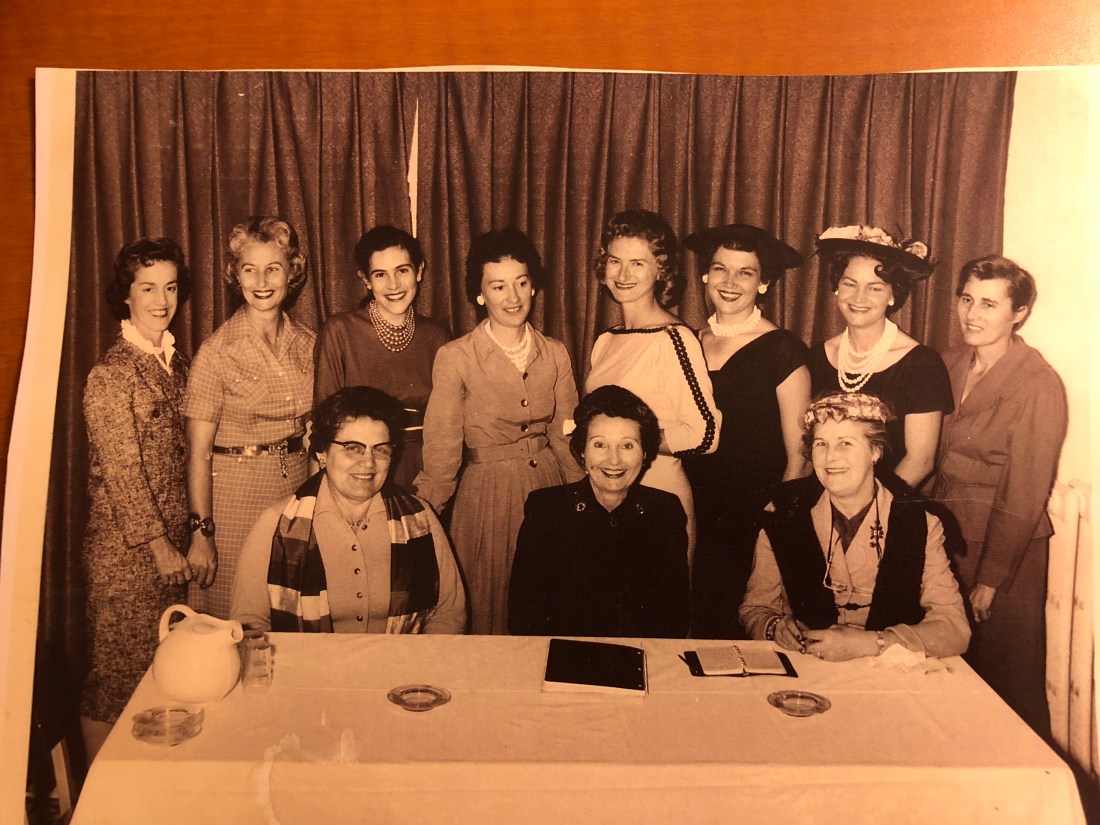
Mrs. Frances Aleman has played an important role in not only the Arizona Sheep Industry but on the national level. An earlier blog was written about Frances and the beginnings of the Making it With Wool contest. We now turn our attention to her work on the national level. As part of the American Sheep Producers Council assigned the task of documenting the sheep industry across the country Frances traveled to many state woolgrowers associations asking each group to submit information on their members and she wrote hundreds of letters asking families to contribute their stories. Hers and many others tireless efforts resulted in Sheep and Men – An American Saga! The book documents the industry from the 1930s to the 1970s on the national level. It was published in the late 1970s. Just a few facts from the book will be listed here.
The early history of the sheep brought to the New World can be traced to Christopher Columbus in 1493 to the Caribbean.
Sheep are on the mainland of the Americas by 1521 when Cortes brings them into Mexico.
By 1611, Jamestown has sheep that will be raised for their wool and meat. Jamestown had sheep in 1607 but they were consumed during the famine that hit the colony the next year.
The first national livestock association was the National Wool Growers Association which was established in 1865 in Syracuse, New York.
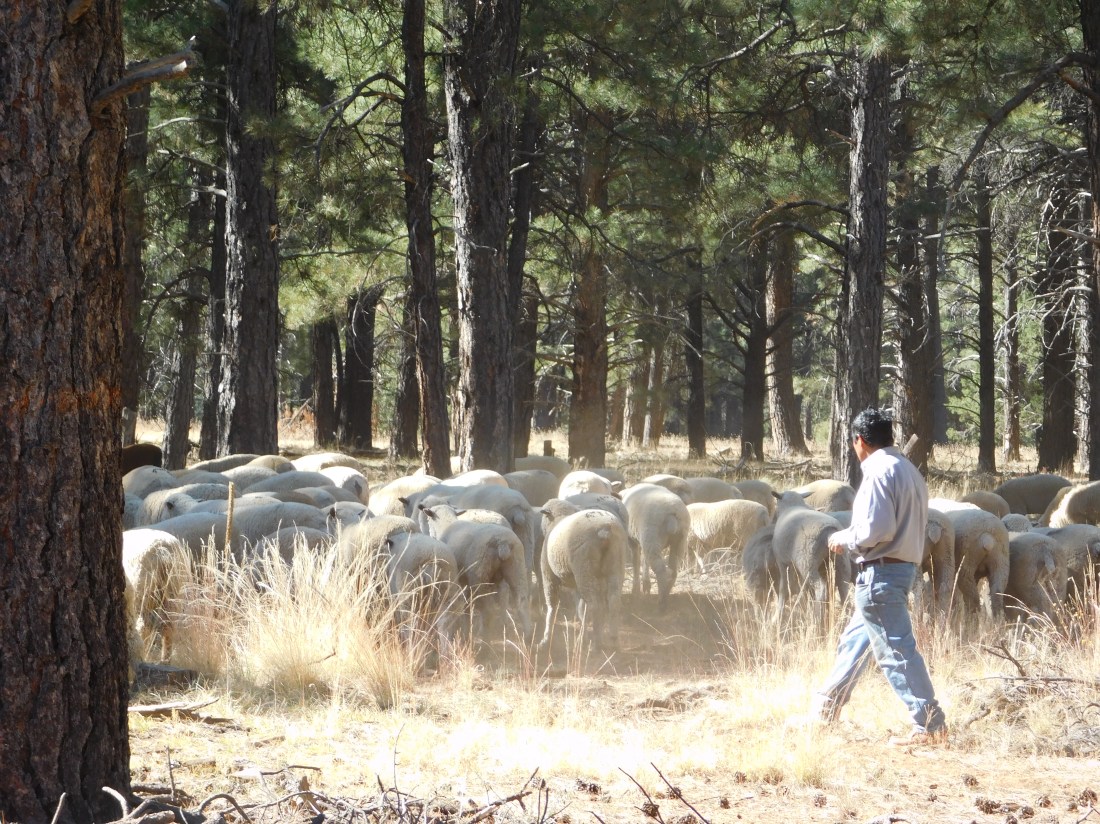
One chapter in the book is titled “the Basque in Arizona”. Jean Etchamendy, Gumersindo Marcos, Jean Pierre “Pete” Espil, John Aleman, Manuel Aja, Miguel Echeverria, etc., are some of the Basque sheepherders/ranchers in Sheep and Men and further detailed in my book Where Have All the Sheep Gone? As I documented, the Basque came from both France and Spain to work for a rancher with sheep and would take their pay in sheep which allowed them to start their own operations when they had enough sheep. Both books offer anyone interested in the American sheep industry a good overall perspective of the hard working sheepherder and rancher who played an important role in the economic development of this country.
I believe that my book is unique in the fact that it gathers the stories from the families in the industry, which to my knowledge, has not been completed in any other state. If there is such a book, please let me know so I can read about other sheep families. I visited three Kentucky sheep farms in June to learn more about their eastern operations and to compare to the western operations. A blog with pictures will follow on this topic.
I am collecting more family stories to preserve this history. If you are a former sheep rancher in Arizona or know someone who was, please contact me by placing a comment on this story or via email at bjaquay@icloud.com. Thanks for reading my blog. I hope that you enjoy and also learn some history of the sheep industry.


 ArizonaSheepHistory.wordpress.com