Fun facts from the past

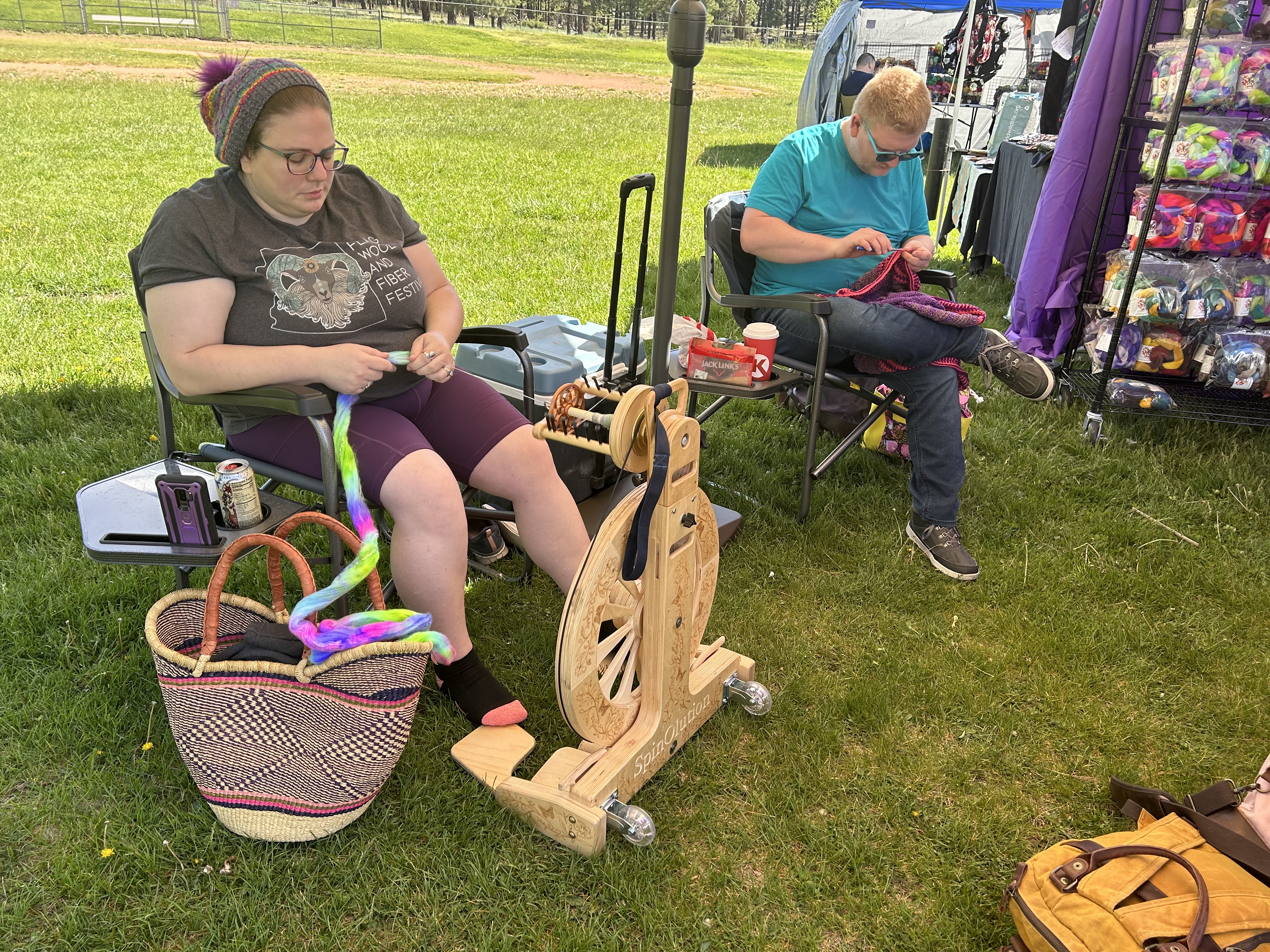
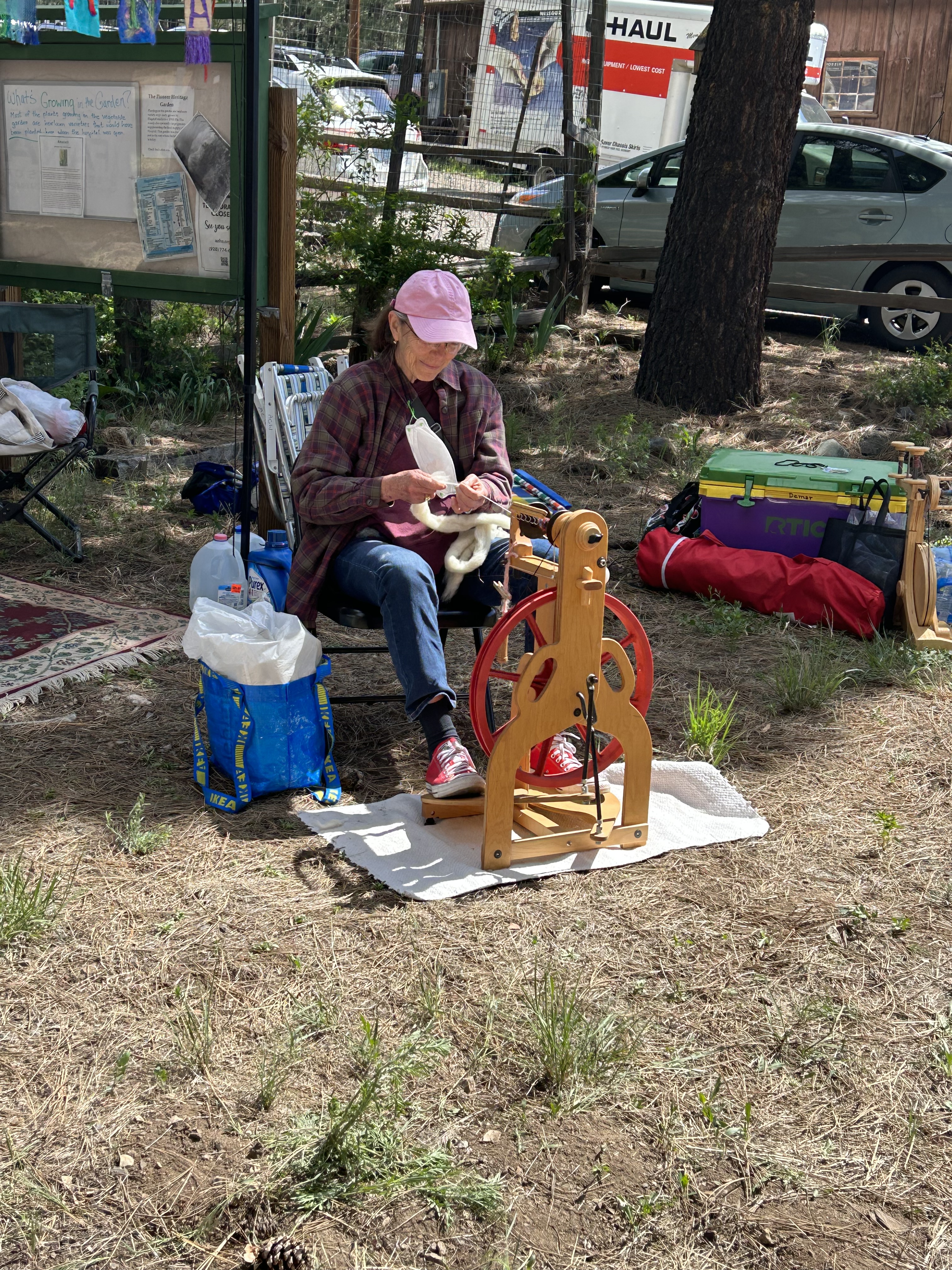
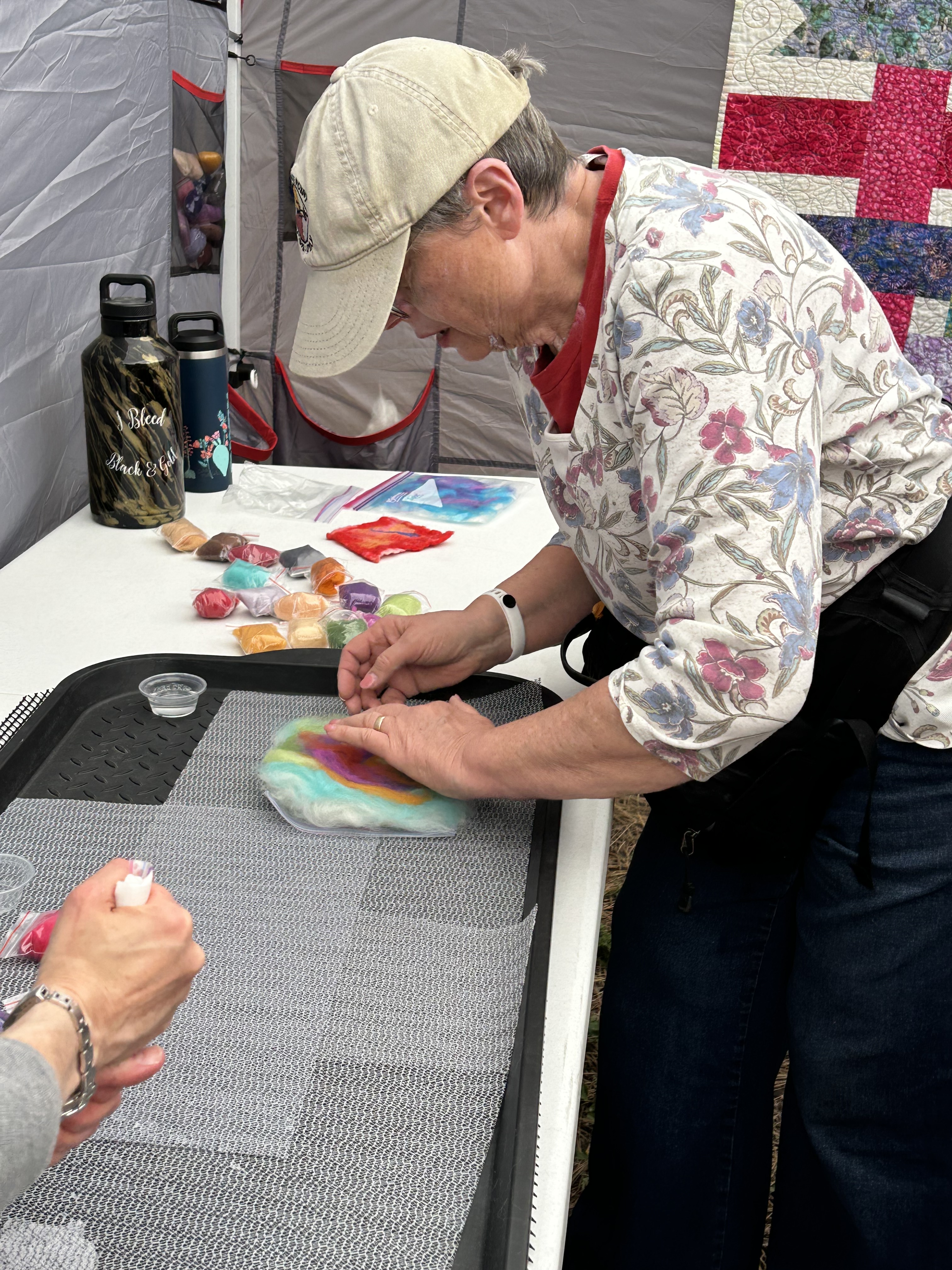
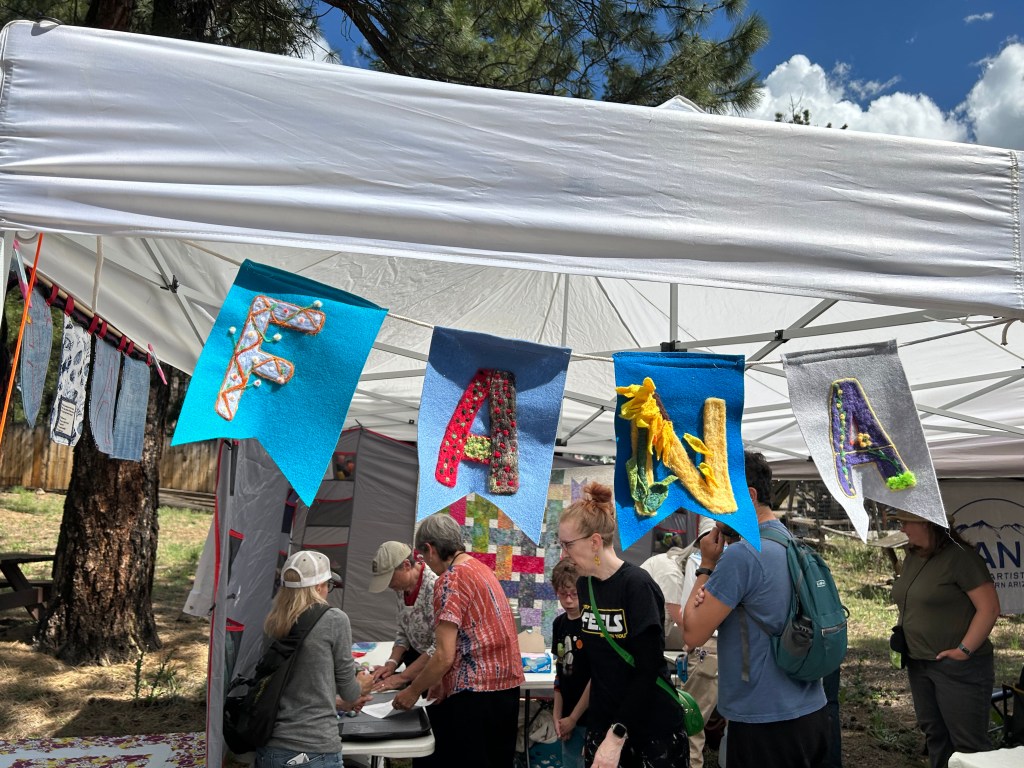
In my research last week I came across three little tidbits of information about sheep and wool. Since volunteering at the Flag Wool and Fiber Festival last weekend I think they are appropriate to record here! Neither have to do with Arizona, but ….

George Washington raised sheep at Mount Vernon and had at least a yard of wool cloth woven daily.

From England – Years ago in certain villages in Sussex, when a you g man went a-courting, his sweetheart knitted him a gaily-colored wool pullover which, when worn, became a symbol of their engagement.

Last fun fact- in 1958 there were 96 sheep and wool organizations representing 260,000 sheep farmers and ranchers in all 48 states. And for you who do t know your history, Alaska and Hawaii were states yet!

And that’s the sheep industry in 1958. I’ll have more in a day or so!

Enjoy.

A Man, A Few Sheep and Greenlee County, Arizona

In April 1923, The Morning Sun, Yuma, reported how one farmer in Greenlee County showed the value of raising sheep on the Arizona farm. Quoting the newspaper the man showed “just what can be done by a progressive man, alone.” The man moved into the county a few years ago bringing with him in a wagon a few Mexican ewes. As of the writing of the article one of these ewes was still on his farm. She had proved her worth by producing some of the best shearing ewes. The ewe “is of the open-faced, clean-legged kind, with a good smooth covering of flesh”. Rambouillet bucks were used for breeding when he first began until the quality of wool had increase and, as of the writing of the article, now used pure bred Hampshire bucks. Very robust lambs are now being obtained. He cannot keep up the demand for market lambs and had used his power to encourage other farmers to also raise sheep. The man believed that two or three other flocks would do well in the area.

The man had used the sheep to clear out Johnson grass in one of his pastures. The article also stated that “The worth of sheep on ditch banks is well known all over the State, and once a man has tried it, he is only the more convinced that this is, by far, the best solution, even though a little extra initial investment is required for fencing the ditch banks and obtaining the foundation flock.”

The article concluded that sheep raisers figured that one lamb paid for the ewe’s winter keep and the wool and other lamb, as most ewes have two lambs, represent the profit to the farmer.

What is unfortunate about this article is that we do not know when the man started his sheep flock, the number of sheep he ran after his initial bringing of the ewes into Greenlee County, where he obtained the bucks for breeding, no do we know who he was. But sometimes that is all the information one can find in the early newspapers and as more newspapers are read, hopefully more information will come to light about the gentleman!

April 1923 Sheep Facts

Just some short snippets of sheep happenings appeared during the month of April 1923 to report on the sheep industry. Leonard D. Cox applied for sheep brands as was posted in the Winslow Daily Mail, April 6, 1923.

Even back in 1923, sheep raisers had lots of sheep as found in the April 13, 1923, The Coconino Sun. It seemed that John Pollard had been in Seligman the better part of a week where he was supervising the dewooling of some 25,000 head of sheep for the Hudspeth Sheep Company.

Other sightings were that sheep raisers, Ramon Aso, Harlow Yaeger and Charlie Woolfolk had spent time in Flagstaff as they took a break from their flocks. But sheep raisers Dan. M. Francis and Charlie De Ryder were heading to their shearing operations to oversee the work. It was reported that De Ryder had extensive sheep ranges in the Yuma area. M. I. Powers was also supervising the shearing of his sheep.

Little pieces of news about different sheep raisers help to tell who was in the business at any given time and thus those names can be looked for in newspapers in future months and years. As I look at earlier newspapers, I have names to search for also. Someday I will have a complete record of all those sheep raisers as not all of them were members of the Arizona Wool Producers Association.

Sheep Poem by Lester H. Fuller

Just a little sheep poem found in The Coconino Sun April 6, 1923.

Ba, ba, ba, there comes a band of sheep,

Can you see the dust arising from the thousands of tramping feet?

But we must have those creatures to produce our meat and wool.

Oh, how the cattlemen cuss, ‘cause they get their stomachs full.

I was once a cowboy myself, and rode upon the plains;

To see sheep eat the forage, I thought it was a shame.

But if you will stay with them, watch and take care good,

You sure will get the money. Lord knows, every sheepherder should!

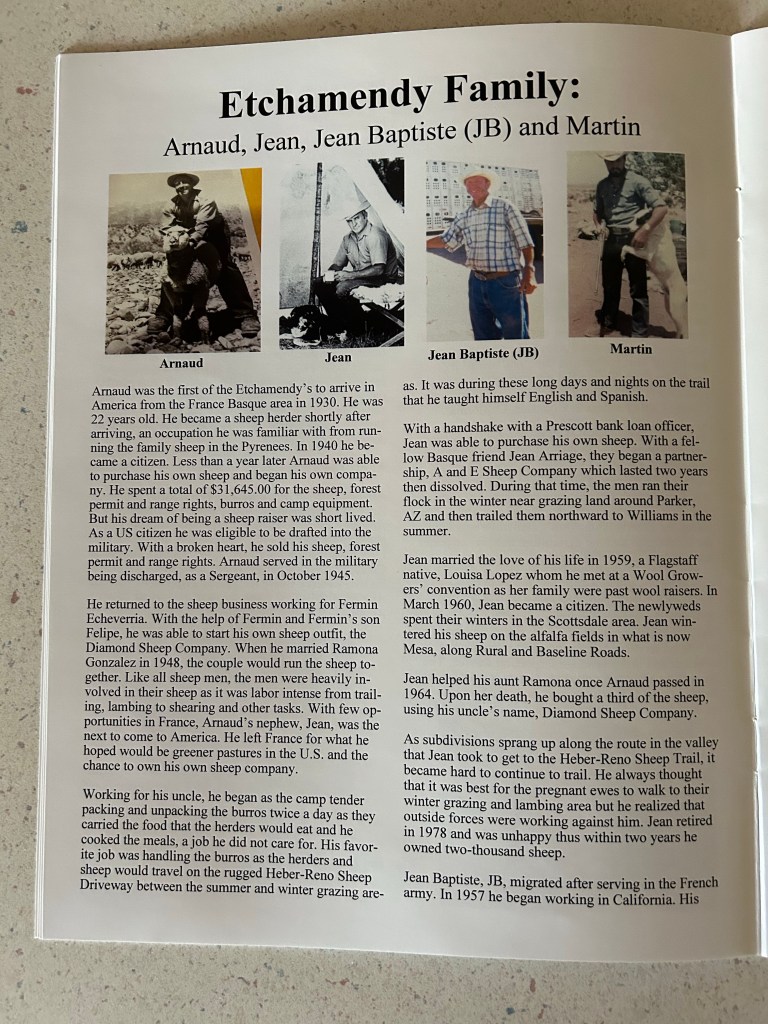
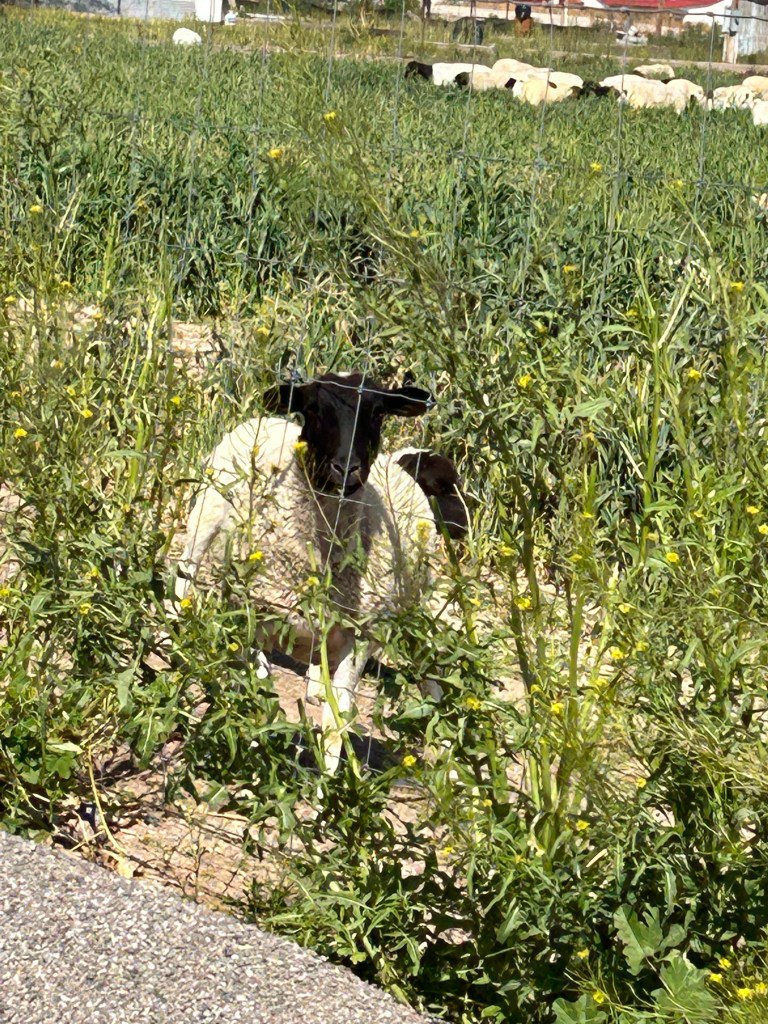
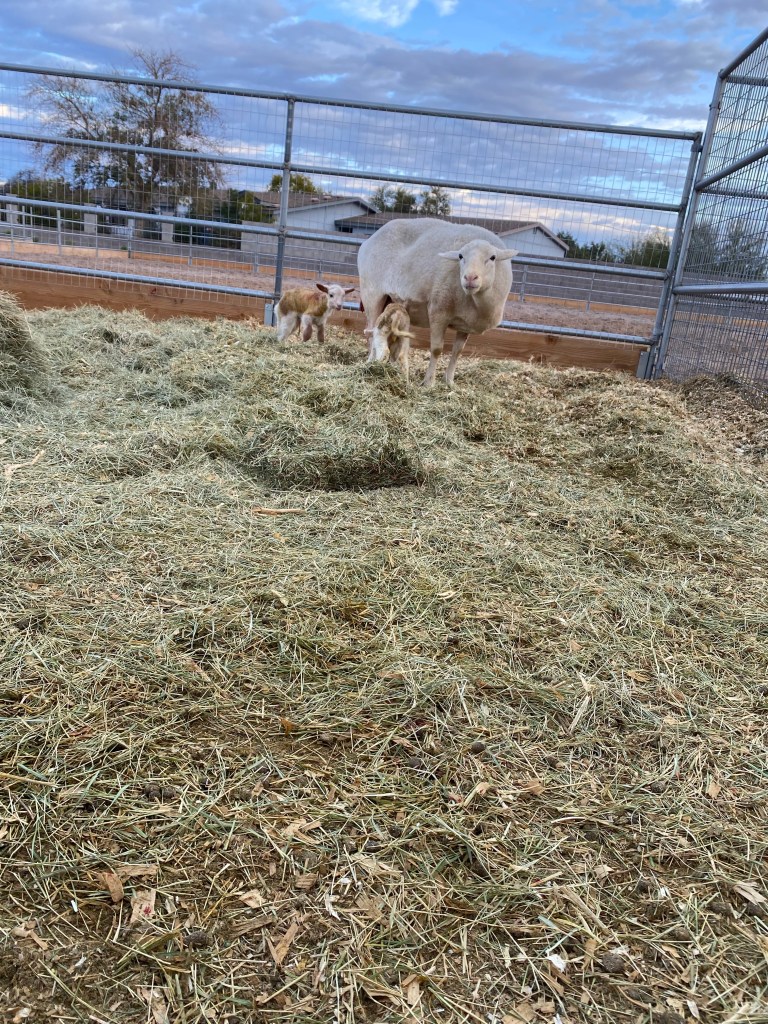
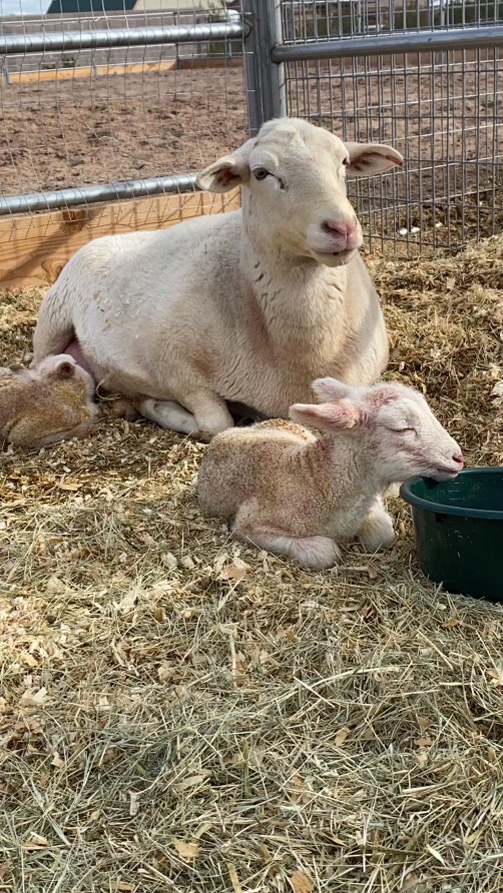
The first picture below was taken in the 1990s of the Etchamendy Brothers Sheep Company. The second is a picture taken this past February in Casa Grande.

Yuma’s Sheep

A new name in the sheep industry in Arizona was found while researching newspapers from 100 years ago this month. The headline “Yuma Lambs Bring Good Prices in L. A. Markets was found in The Morning Sun, Yuma, March 24, 1923.  It seems that James Maxey had just shipped three carloads of lambs to the Los Angeles market. He had a ranch in the upper valley of Yuma.  Quoting from the article, “they were born after November 16, and weigh now slightly more than seventy pounds each. They were sold on contract for fourteen cents, which is considered a very good price. Mr. Maxey has gone quite extensively into sheep raising and he is of the belief that sheep raising for both wool and mutton will put the Yuma country on the map and bring more real money to the valley than many other lines of farming.”

The Yuma area did have other sheep families and their stories will be told as my research continues. More research of The Morning Sun, Yuma must be undertaken to see what other tidbits are found on Mr. Maxey and his sheep and the other sheep families in Yuma. I’ll keep you posted on my findings.


Etchamendy Sheep Family

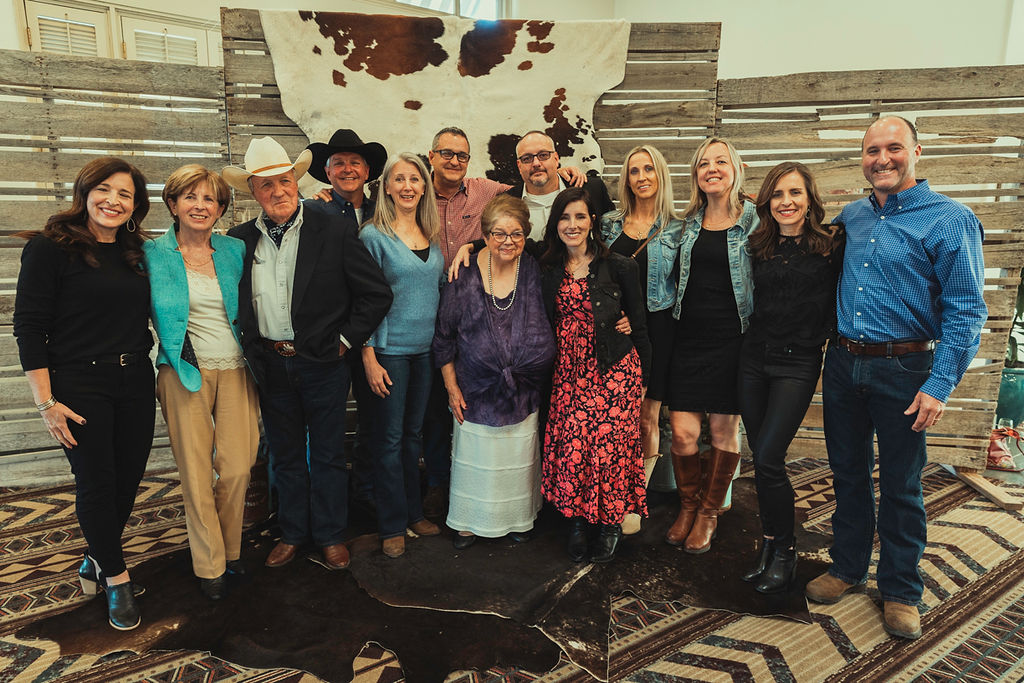
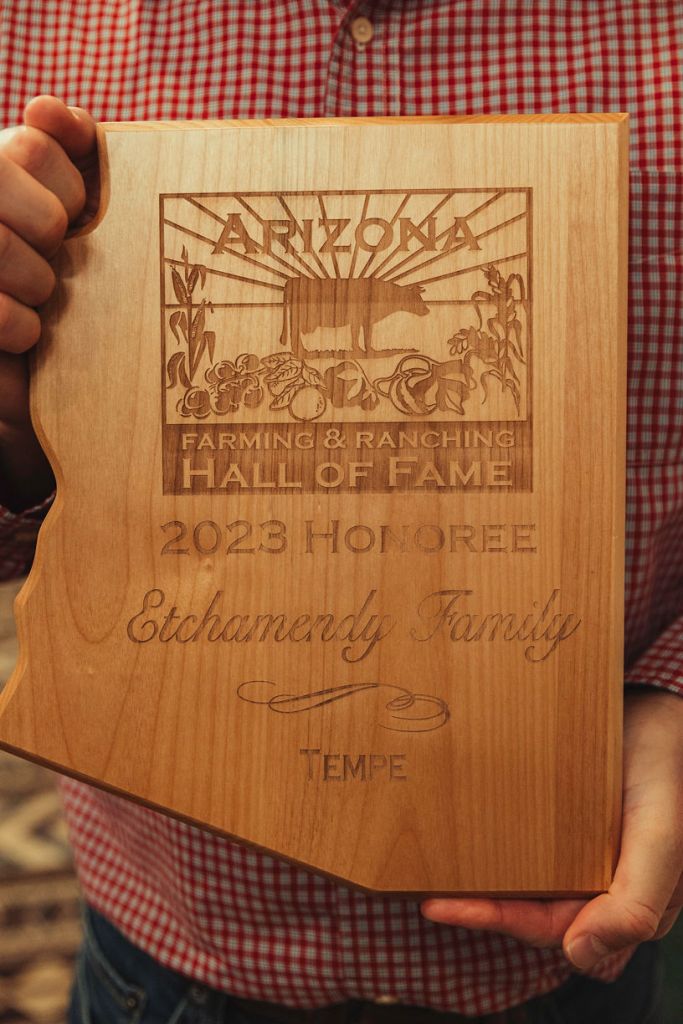
Last Saturday night, March 4, 2023, Arnaud, Jean, JB and Martin were inducted into the Arizona Farming and Ranching Hall of Fame. It was a great evening and the Etchamendy’s certainly deserved this honor. Accepting the award for the family was Martin, the last surviving Etchamendy man in the sheep business. He still has sheep but he has his flocks in the Bakersfield are of California.

One last picture

Sheep in the Buckeye Valley Again

For several weeks I have been watching a small flock of sheep in a field in the Buckeye area. At one time thousands of sheep could be seen in the winter time grazing on the grasses here. The sheep had been either trailed, pre 1950s and then trucked afterwards to the Buckeye area from their summer grazing area in the high country of northern Arizona. At this time the ewes were pregnant and would start to have their lambs between November-February.

The sheep could cause traffic jams as they were moved from one pasture to another. They had the right of way and heaven forbid you were in a hurry to get someplace. Sheep only move as fast or slow as they want. It took careful planning and help of trained dogs to get the sheep between pastures. Shearing would follow in February.

Just a little history from the past.

Thude’s are Back Raising Sheep

Well that isn’t quite true.

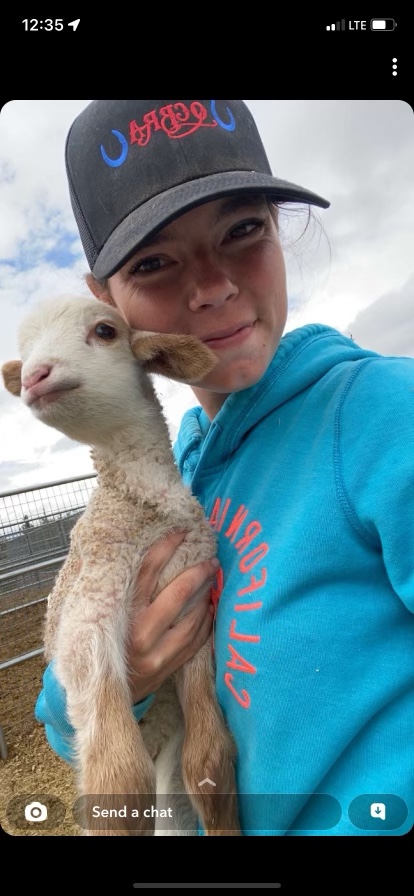
This is Staci Hancock Smith. She is carrying on the tradition of raising sheep.

Staci is the great great granddaughter of Gunnar Thude. Gunnar has been mentioned before on this blog and the years he raised sheep passing on the love of the sheep to his daughter Elma Sanudo. This is Elma’s great granddaughter.

While she may have only a few at the moment, who knows what may happen. Tomorrow we will look at sheep back in the Buckeye Valley!