





Just videos of my visit.
I don’t know how many times I have taken this journey, but it is always fun, educational and worth the time to travel to the Auza’s Sheep Company. From my house to their office driving through the Phoenix metropolitan traffic can be a challenge but worth it once I arrived.

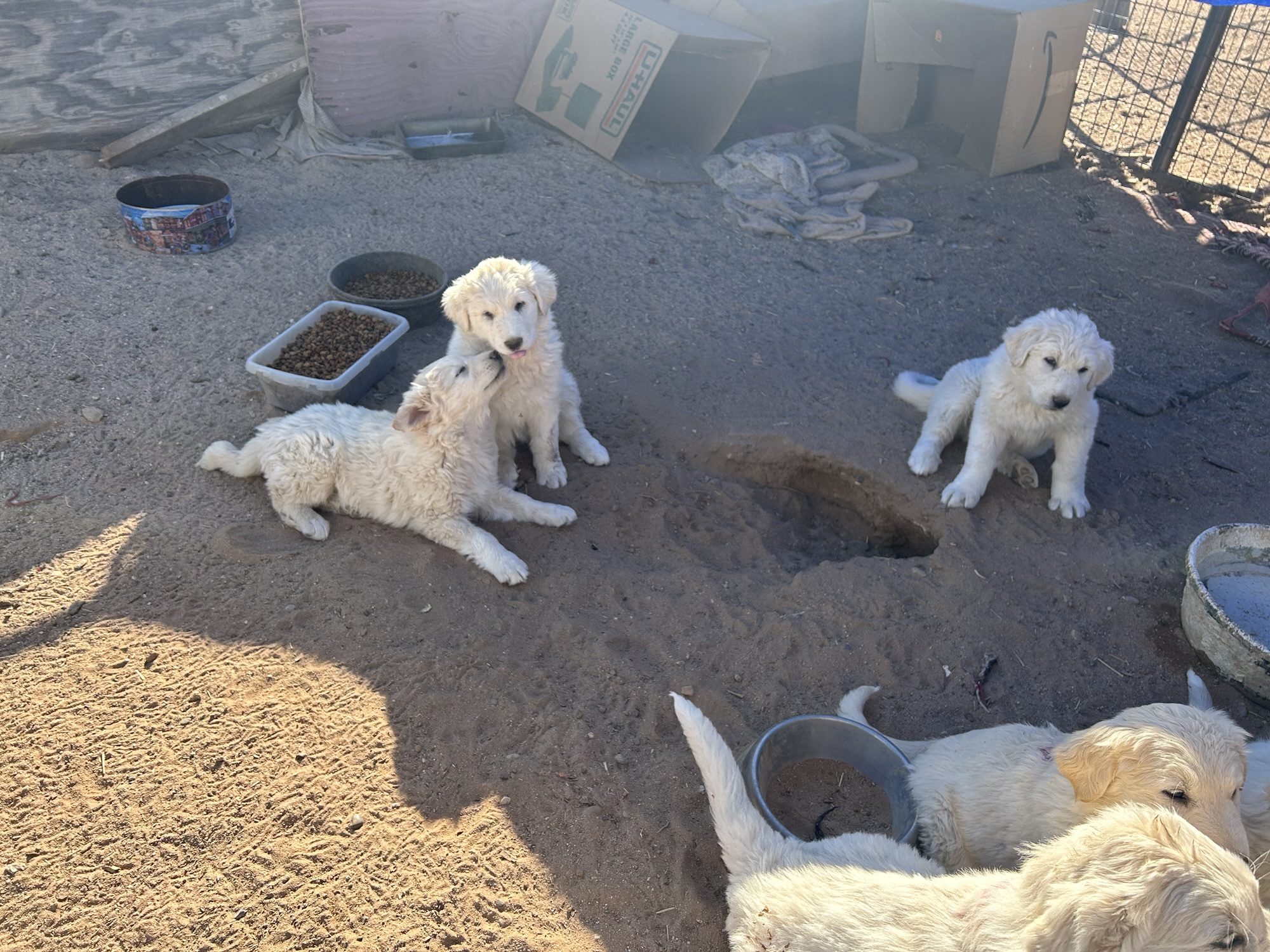
The day started at the Auza’s seeing the new Great Pyrenees puppies. I had never seen the puppies before and could have spent the day with them. They are so adorable and friendly but watch when they are out with the sheep. A different story if you mess with their sheep! But these little guys have some training to go through first.


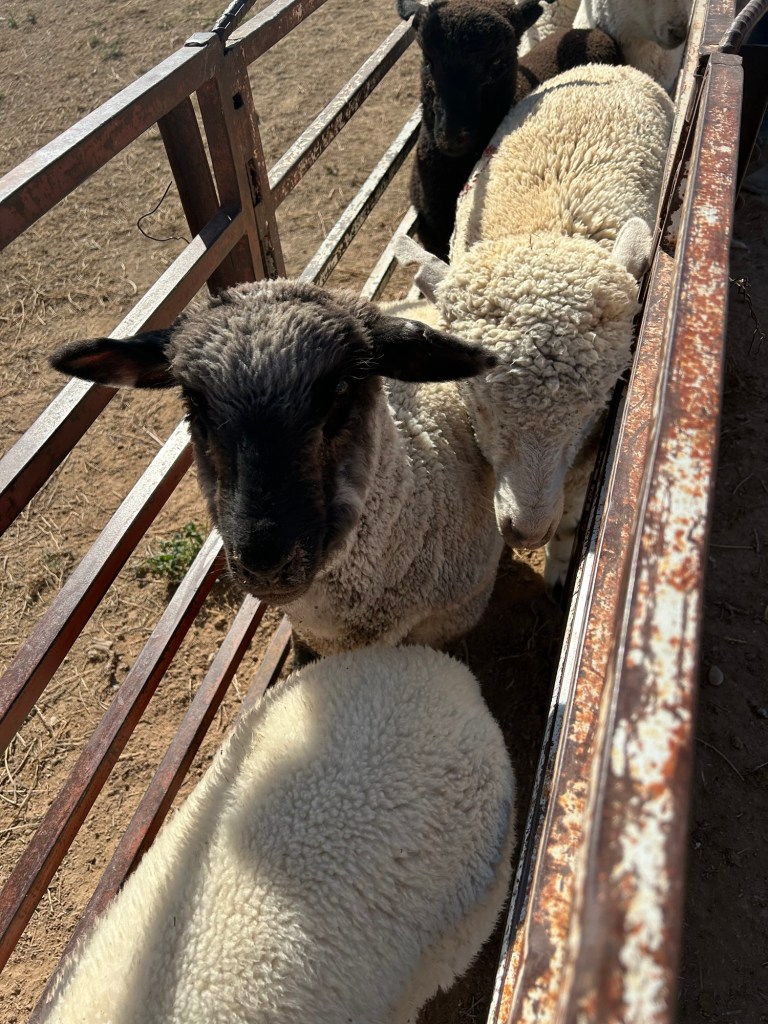
After leaving the puppies we drove to see the lambs which are also adorable and so cute. I could take them home with me! Several were close to the road and came to visit. These lambs were being bottled feed.


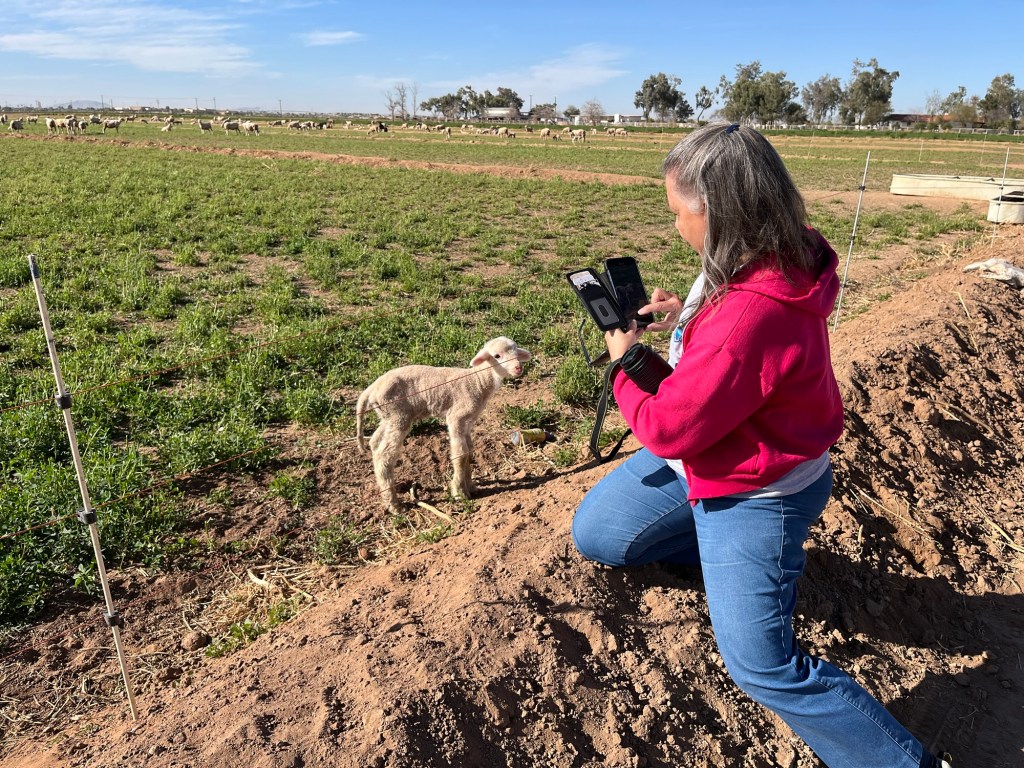
Mama’s with older babies were in the adjacent field.

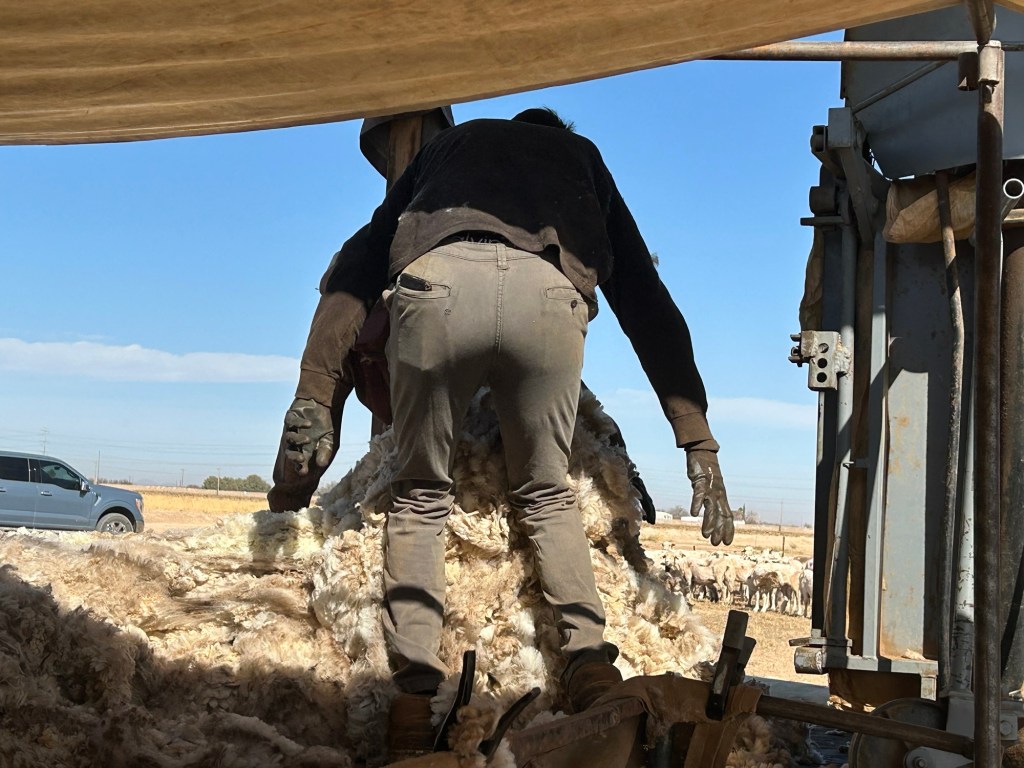
Our last stop was the shearing operation. This is organized chaos. Lambs crying for their mamas which are being sheared, ewes wanting to get ahead or see what the line hold up is, men pushing the ewes along the line for the next available shearer, the shearing, the gathering of the wool and putting it in the machine to be pressed down until the bag is about 400 pounds!
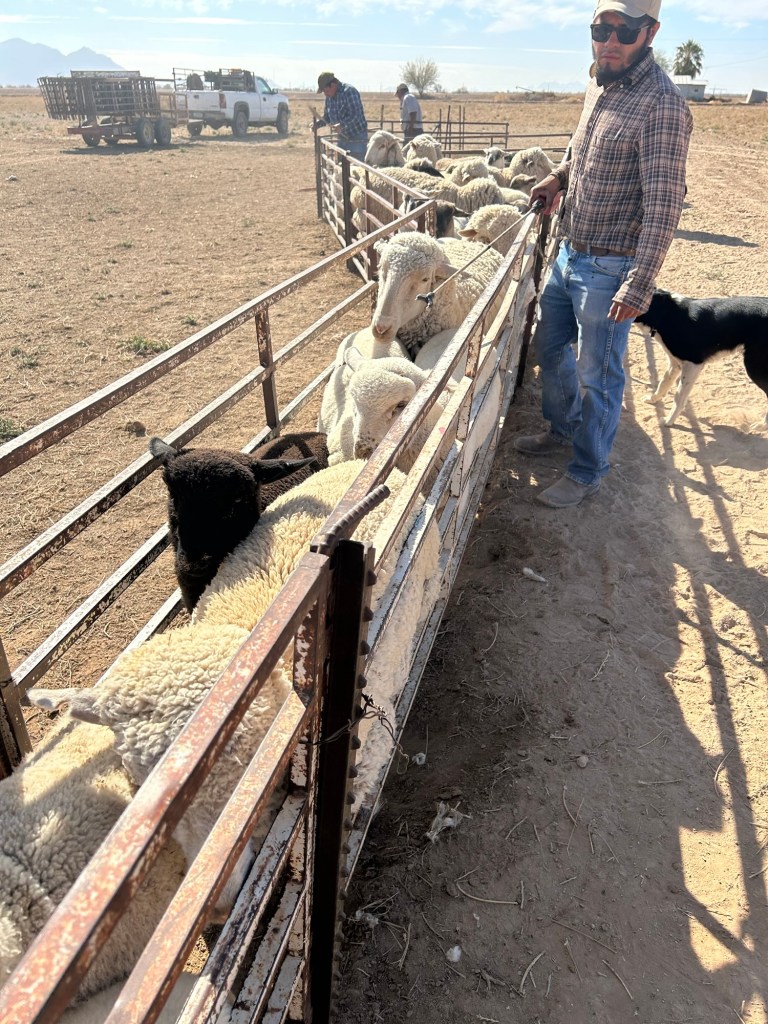
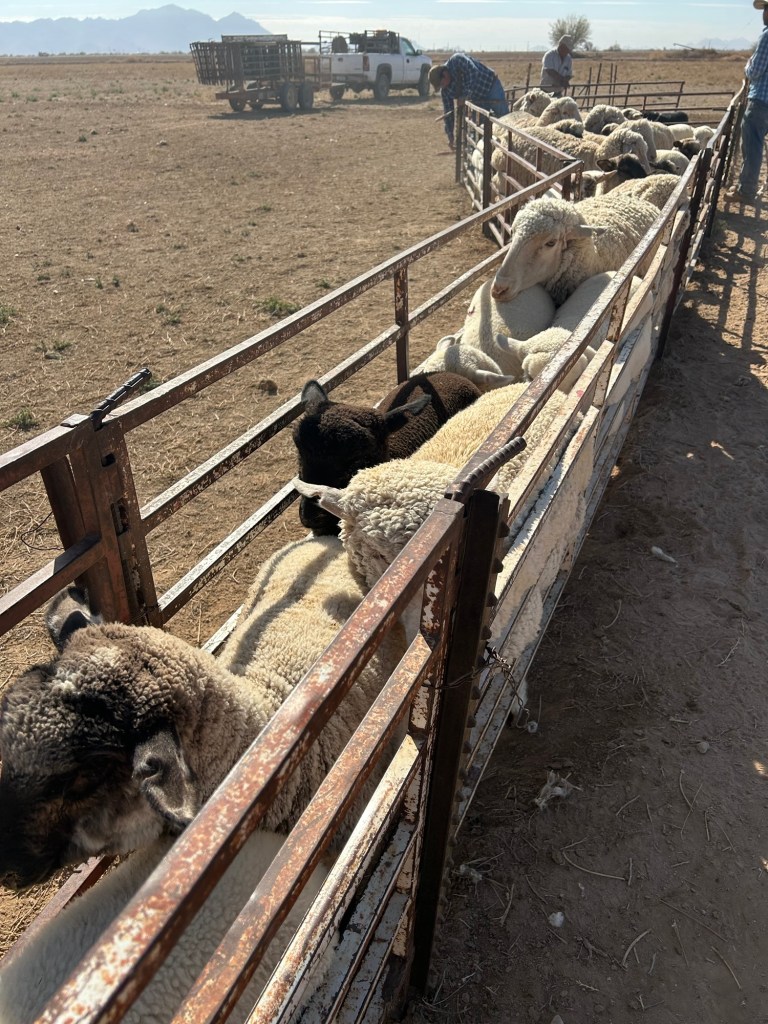
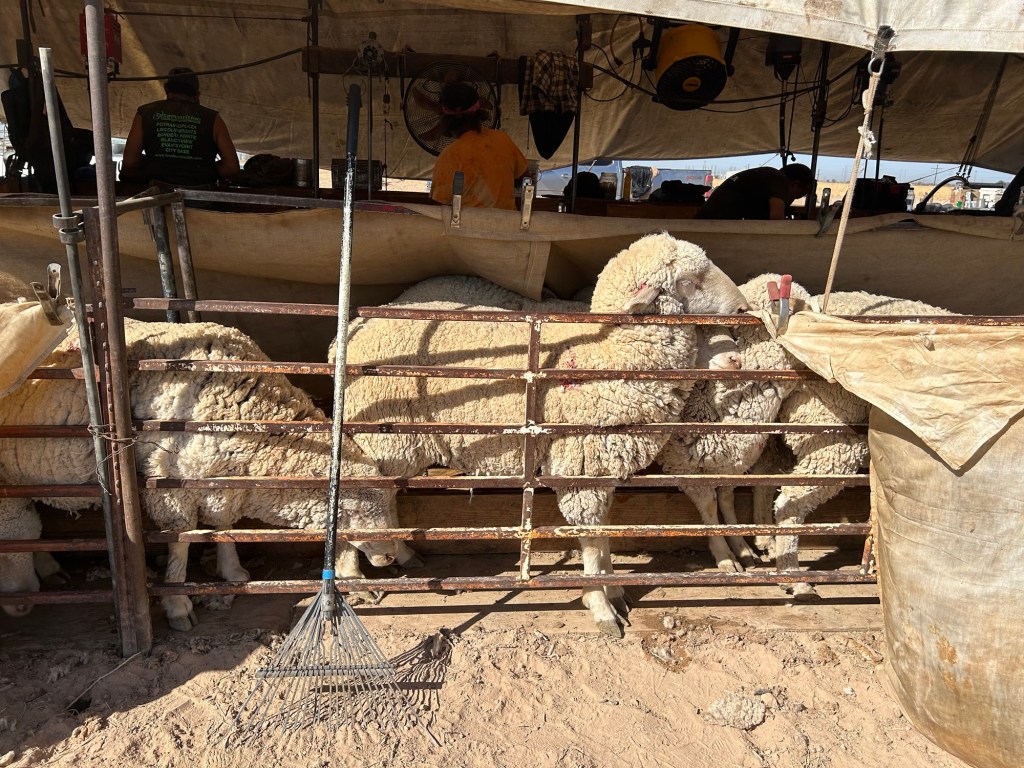
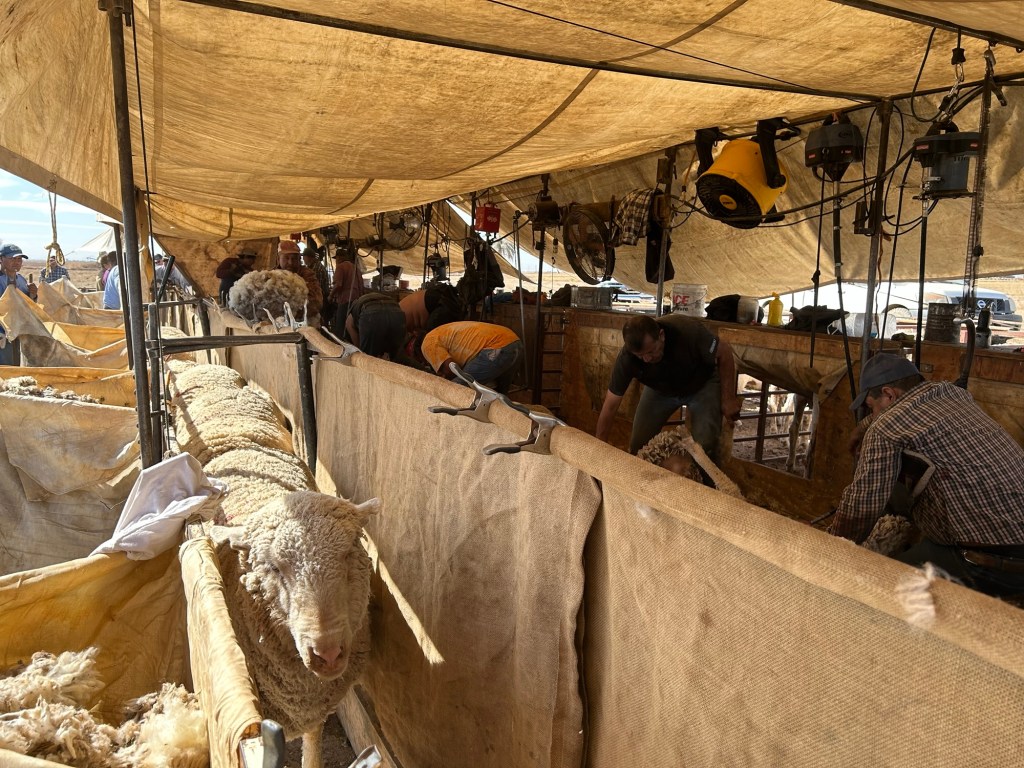

The last step after shearing is the vaccination process and the camp is broken down and moved to the next location. But the men will stop first for their lunch before shearing all afternoon.
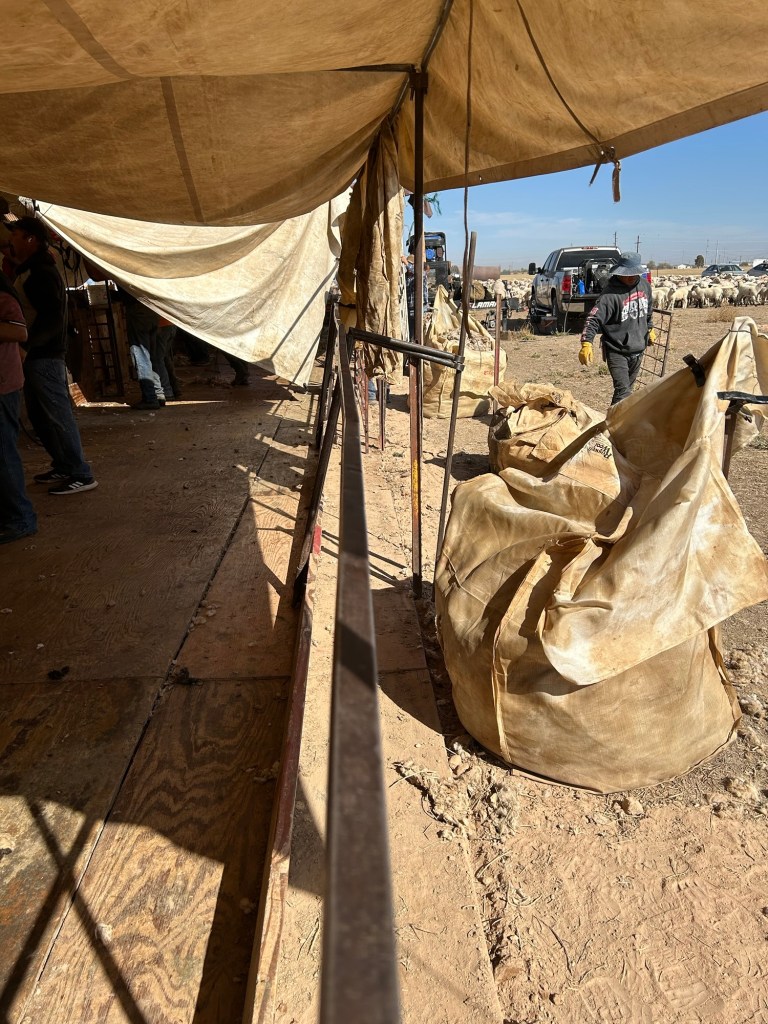
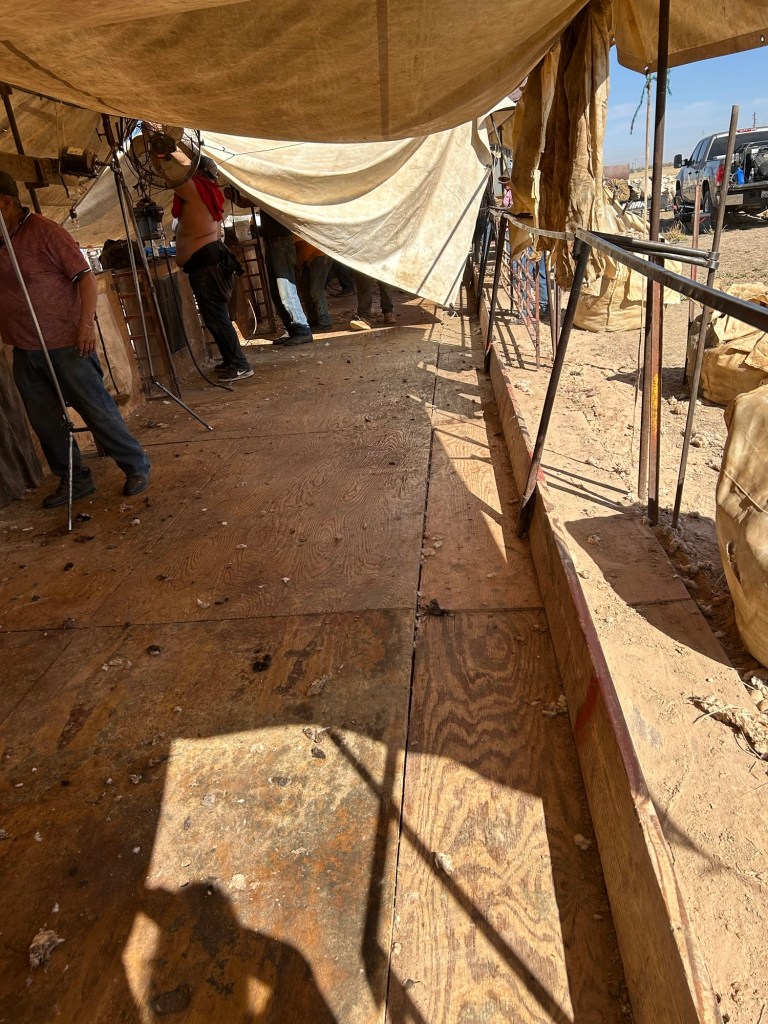

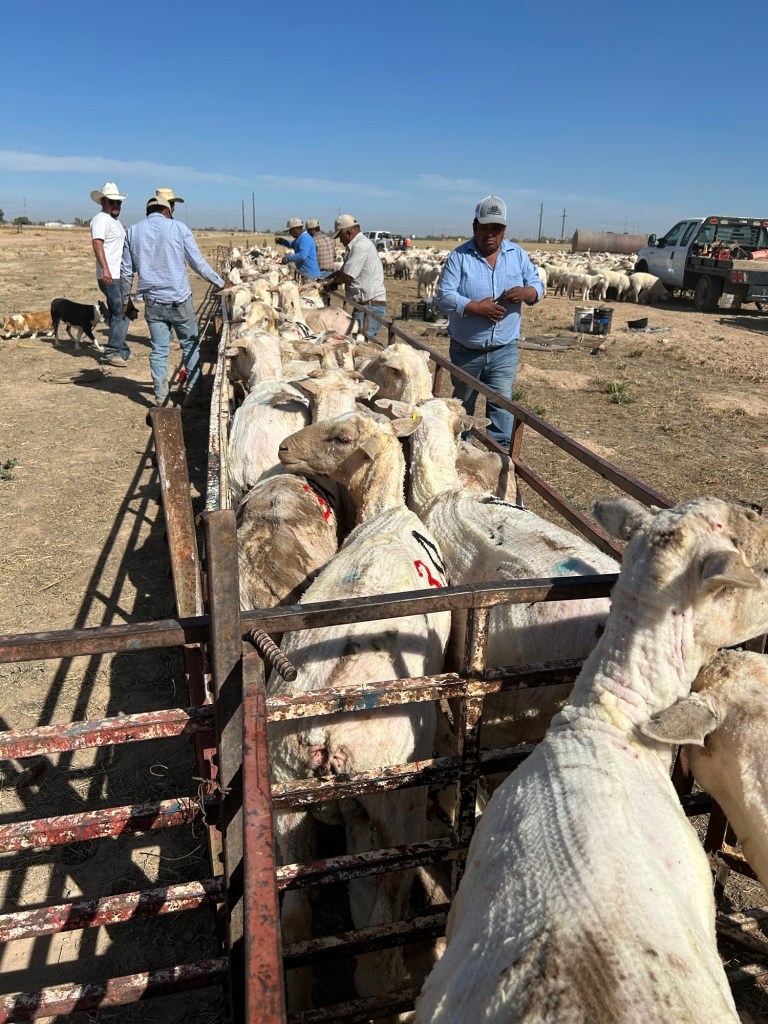

As soon as I can upload a couple of videos I will put on another post. For now enjoy. I hope to see you back for my next post.
If you have sent requests for information about a sheep owner rest assured I am working on trying to answer your questions. I hope to post this Friday about Eldon Thude and Whitten and I’ll check for other requests too.
With Christmas and everything I got behind in my research but that should change now!
Just please be patient.
Thank you!
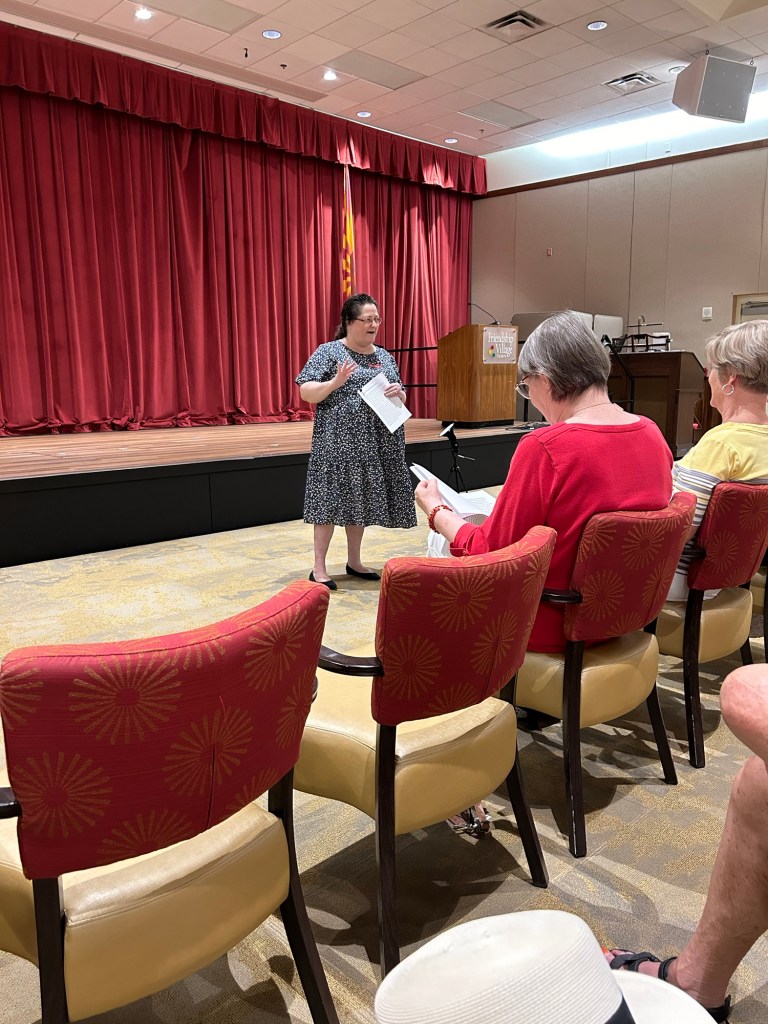
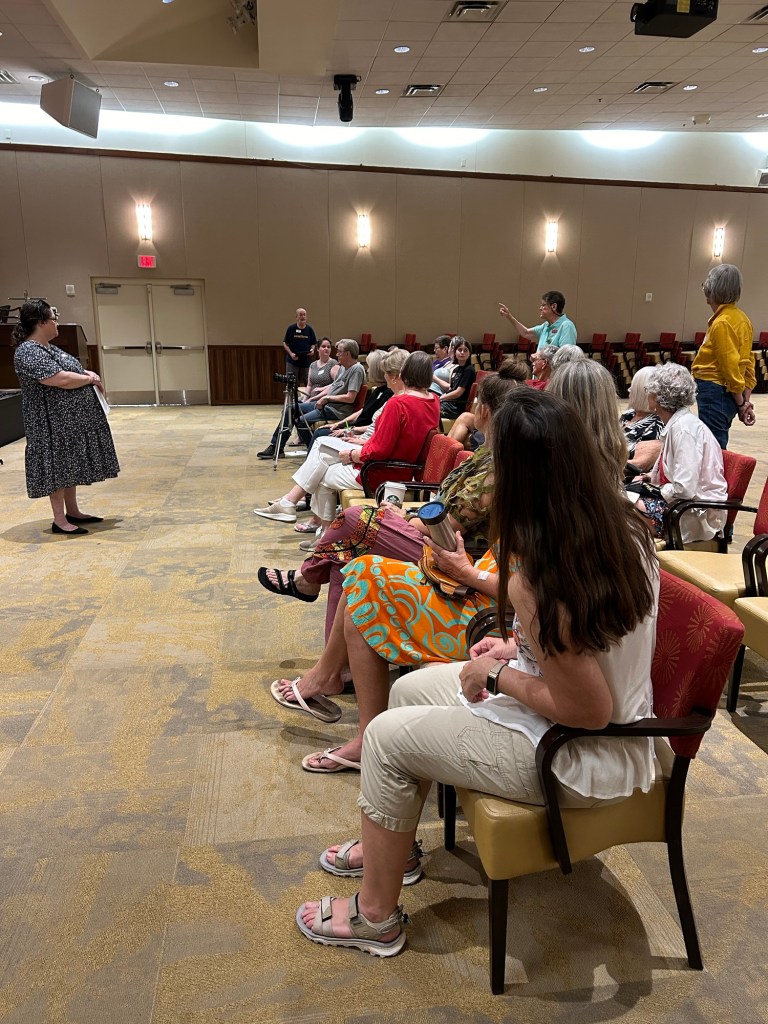
That was the title of my presentation at Friendship Village on Monday.
The first order of business was herding the flock into the Skirm, the auditorium at the Village. They came by twos and threes walking, pushing their walkers or wheeling in their wheel chairs. They were joyful, smiling, talking to each other. I needed a couple of sheep dogs to keep them moving but they finally listened to directions!
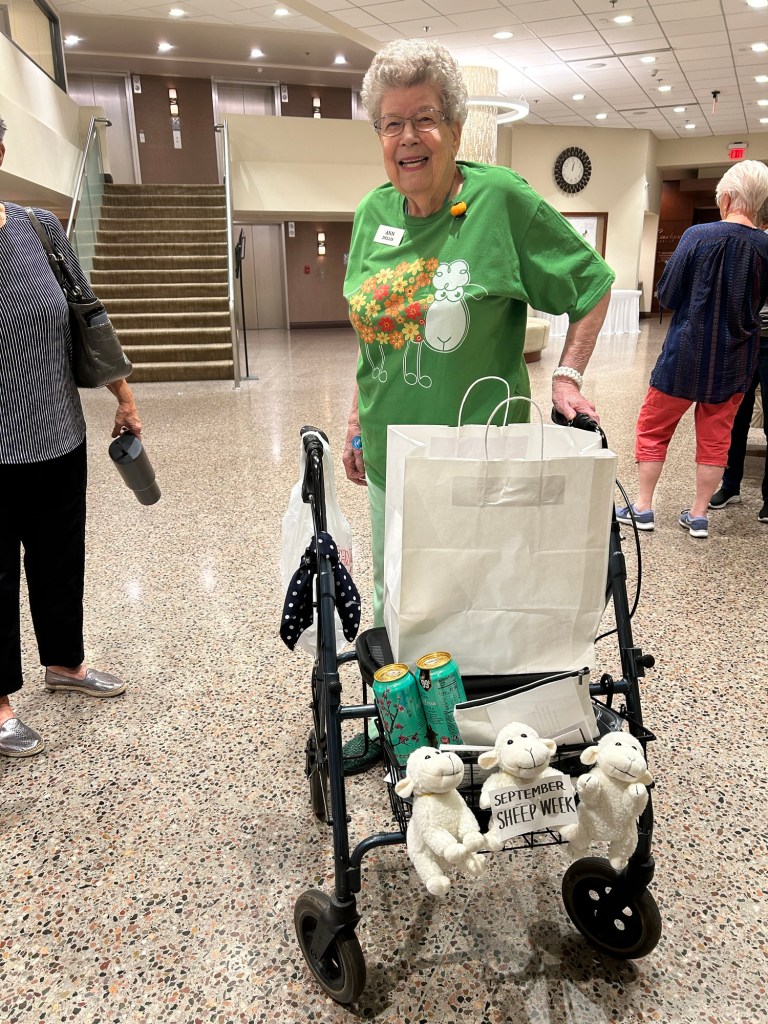
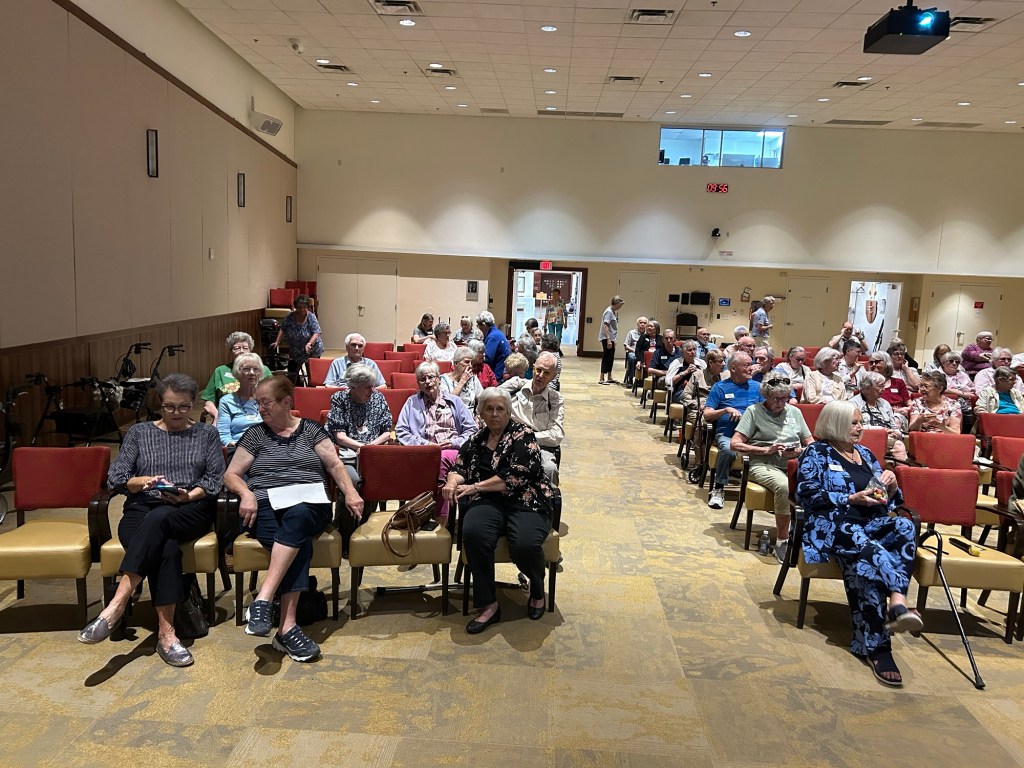

Some just sat and stared at the screen. It made me really think they were a flock of sheep.

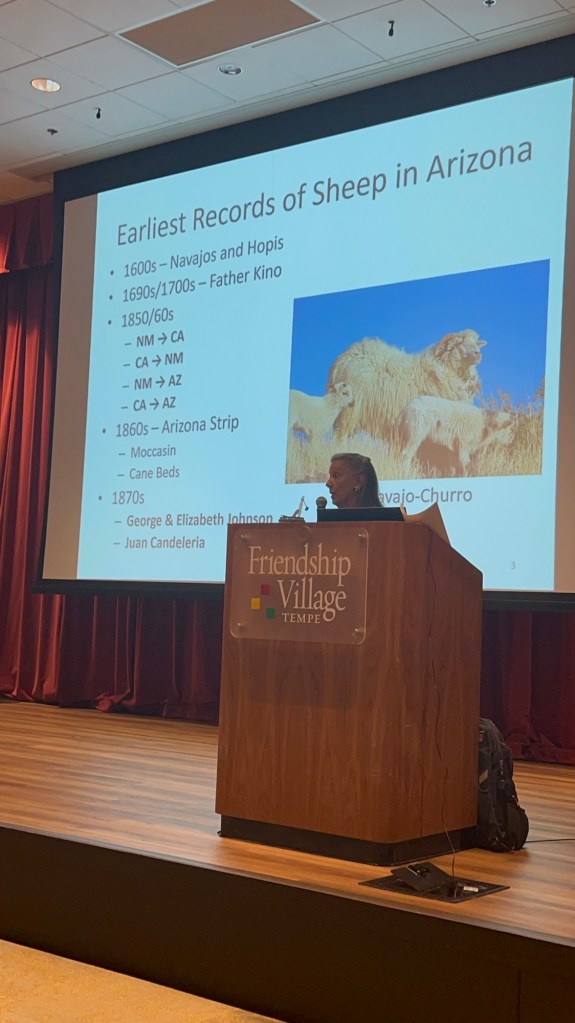
Then the speaker, that’s me, presented the cyclical cycle of sheep in Arizona.
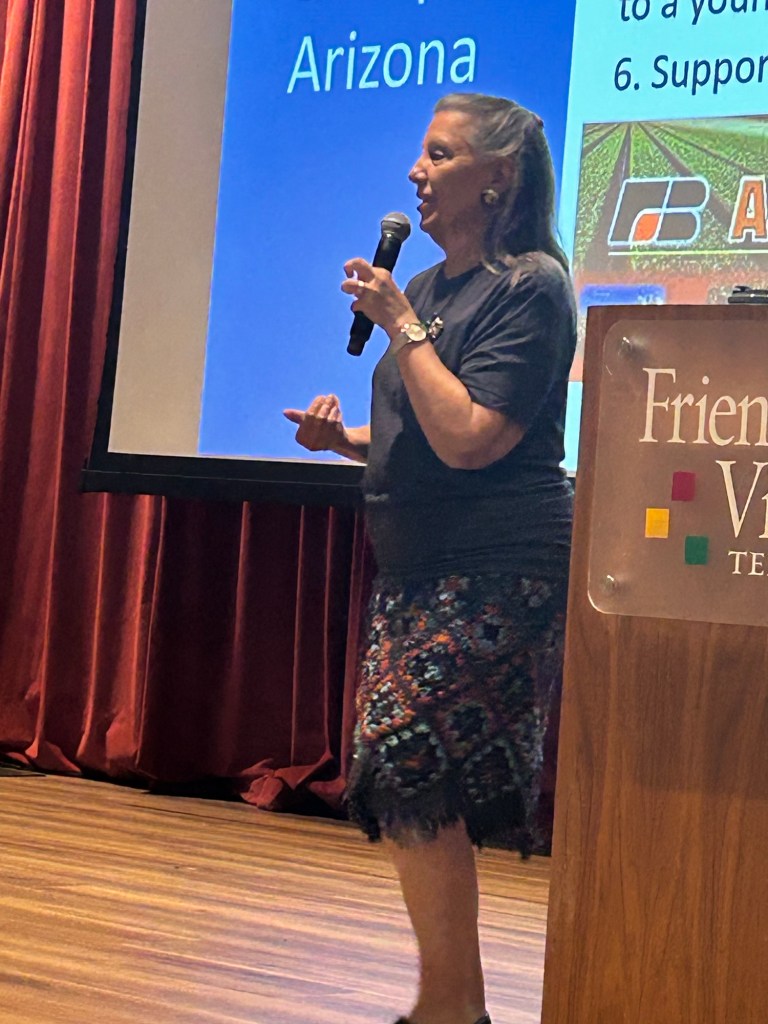
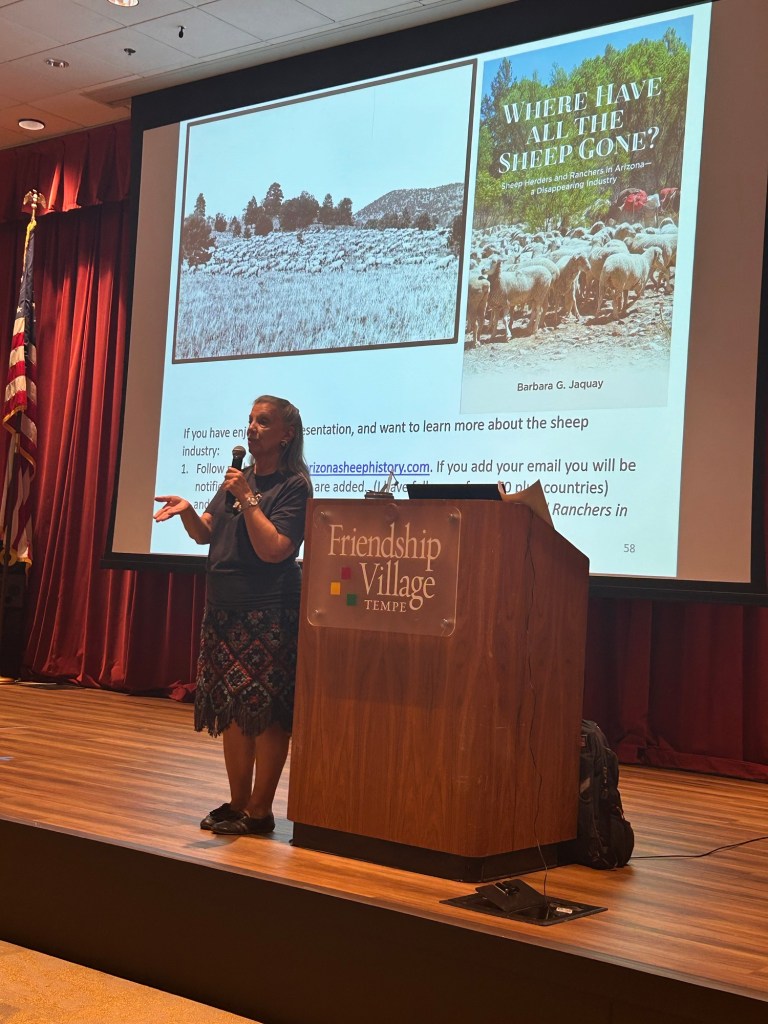
To conclude the day activities the film by Francis Line following the sheep on the Heber-Reno Trail was shown. More on this tomorrow.
Day One of Sheep September is in the books.
The first dress rehearsal for the fashion show at Friendship Village during September Sheep Week.

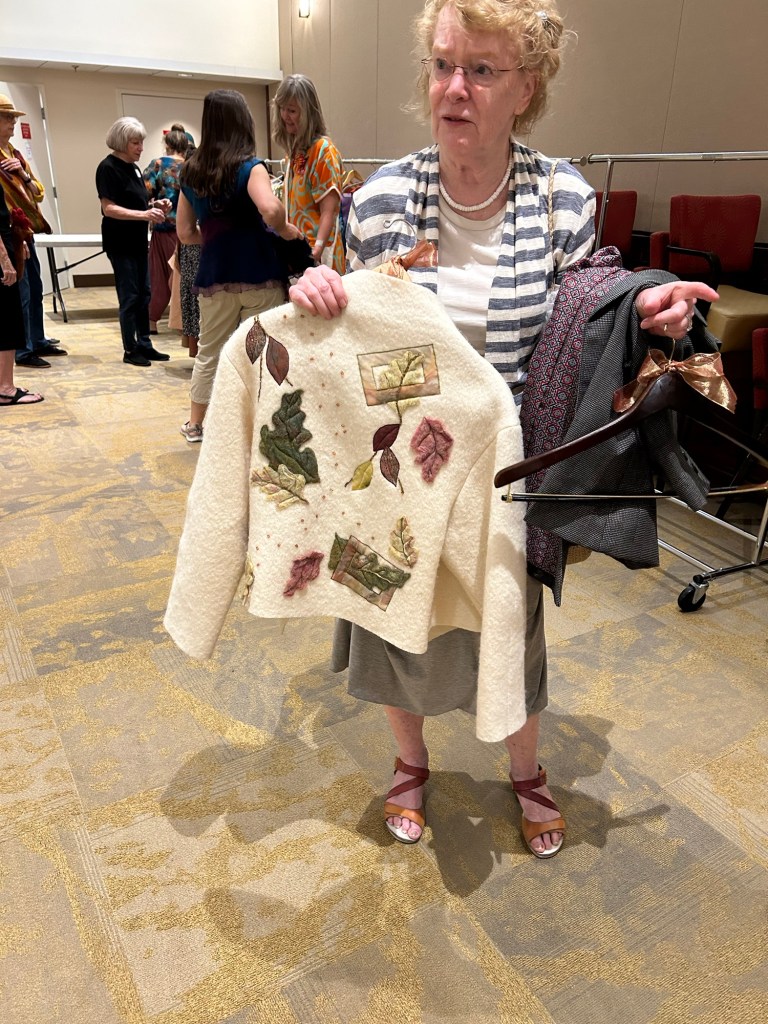

All but a couple of items were felted wool. More pictures to come!

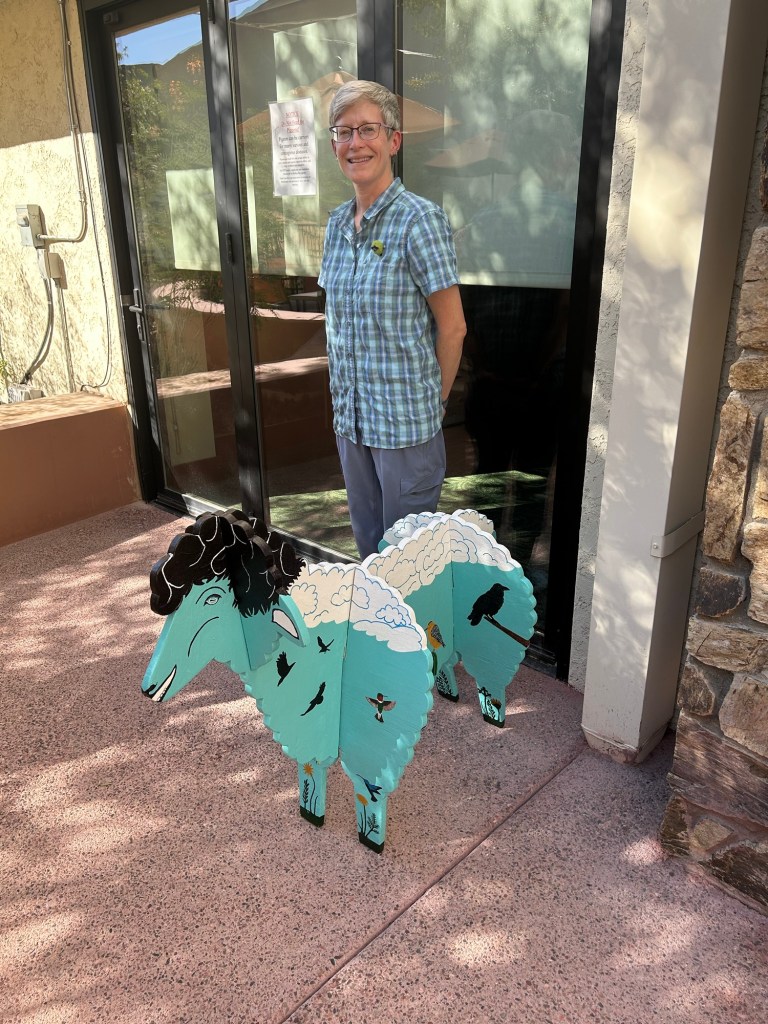

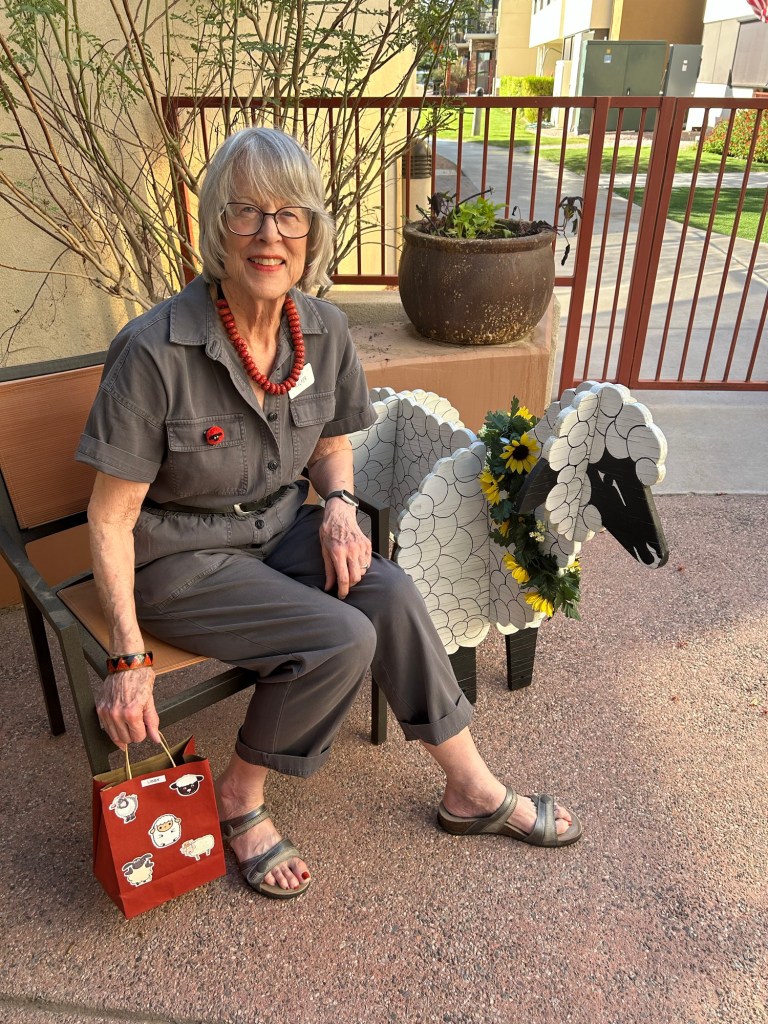
The ladies and their sheep! Not all ladies posed with their sheep!
It has been several months since I last posted here. My sincere apologies but life took a drastic turn for me and I am just getting back to writing. This project which I about to write about has kept me busy and I still dabble researching the sheep industry here and there across the state, but just not as much time to do as before.
But let me tell you about an event that I am really excited to be involved with and one that I hope brings others to appreciate the history of sheep and their contribution to Arizona’s early economy.
A retirement village in Tempe approached me last January to help organize/coordinate activities for a week long event in September about sheep in Arizona. Over the last eight months a community of ladies from the village and I have determined those activities. A variety of activities were discussed and given a “hoofs” up or down.
The kickoff event is September 5th. On this day there will be several events. The first event centers on judging of plywood sheep that members in the community decorated. I have arranged for four ladies whose families were in the sheep business to be judges for the wooden sheep decoration contest. Those judges are Kathy Aleman, Janice Ryan Bryson, Melanie Aja Lanford and Betty Thude. The author, that’s me, will be the tie breaker. The judges:
Kathy married into a sheep family. One of the important facts about this sheep family is Frances Aleman who started the Make It With Wool Contest back in the late 1940’s and is still going on today. More will be written about this in association with the fashion show.
Janice Ryan Bryson’s grandfather and father had sheep at what became known and is still called today, Ryan Ranch near Heber.
Melanie Aja Lanford hails from the Aja-Echeverria sheep families that came very early to Arizona. She still raises a small herd of hairless sheep, St. Croix, for their meat. Her family raised Rambouillet and Suffolk.
Betty Thude can date her sheep family back to the 1940s when her father started his first sheep flock running them both in the area of Williams and the Mogollon Rim area. In fact he purchased the Ryan Ranch! Small world? No, not really as there were not that many sheep owners in the state. It was common practice to buy land or a flock when one sheep owner wanted to leave the business!
Pictures will follow of the sheep after the judging but I’ll tweak your interest with one.
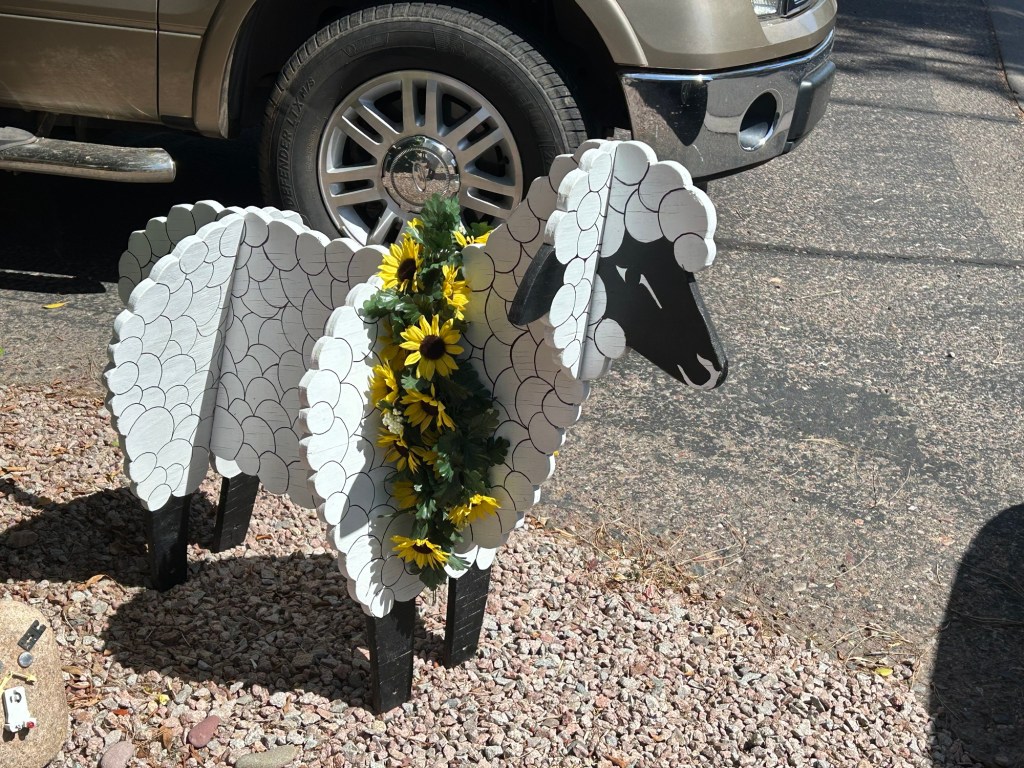
Another event that day is the opening ceremony for the art produced by residents in Friendship Village. I can’t wait to see all the items that have been painted, molded, sculptured or woven/cross stitched or other art forms.
And then to top it off is Happy Hour where there is supposed to be lamb sliders (sliders using lamb meat) and a beer made especially for the occasion. More on this in tomorrow’s blog.
I will be writing about each of the events as they happen. The other events happen the week of September 23rd. I will post more all through the month leading up to that week. This week will be the opening ceremony/judging and basic information. I will post pictures also.
Here are the last of the pictures for the Wool Festival. Thank you all who were participants – vendors, demonstrators, volunteers and the public who came to support this event.
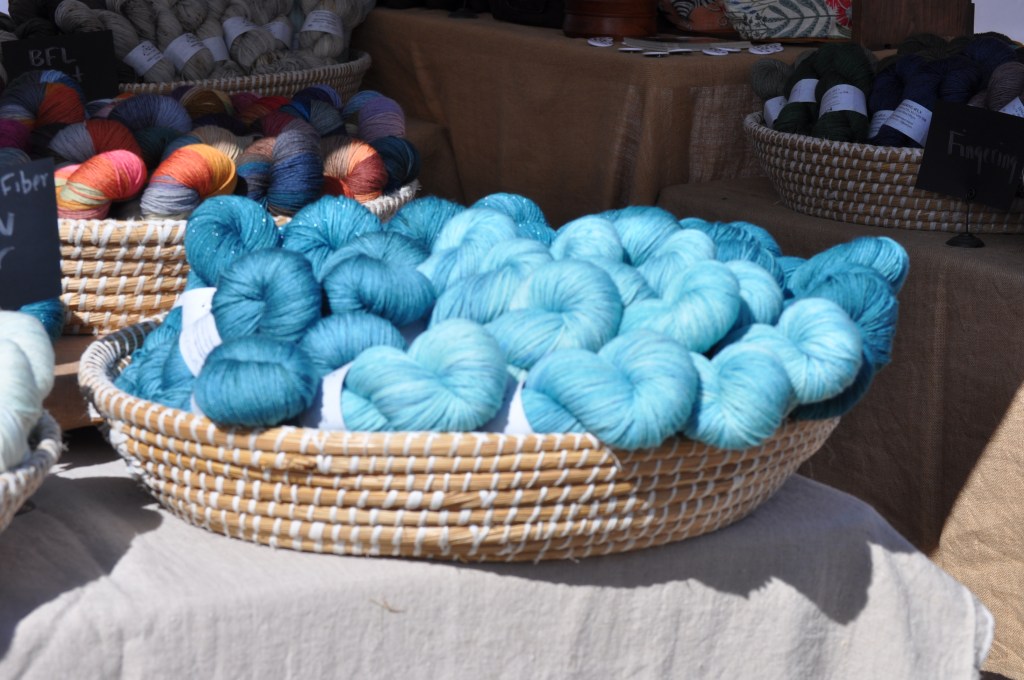
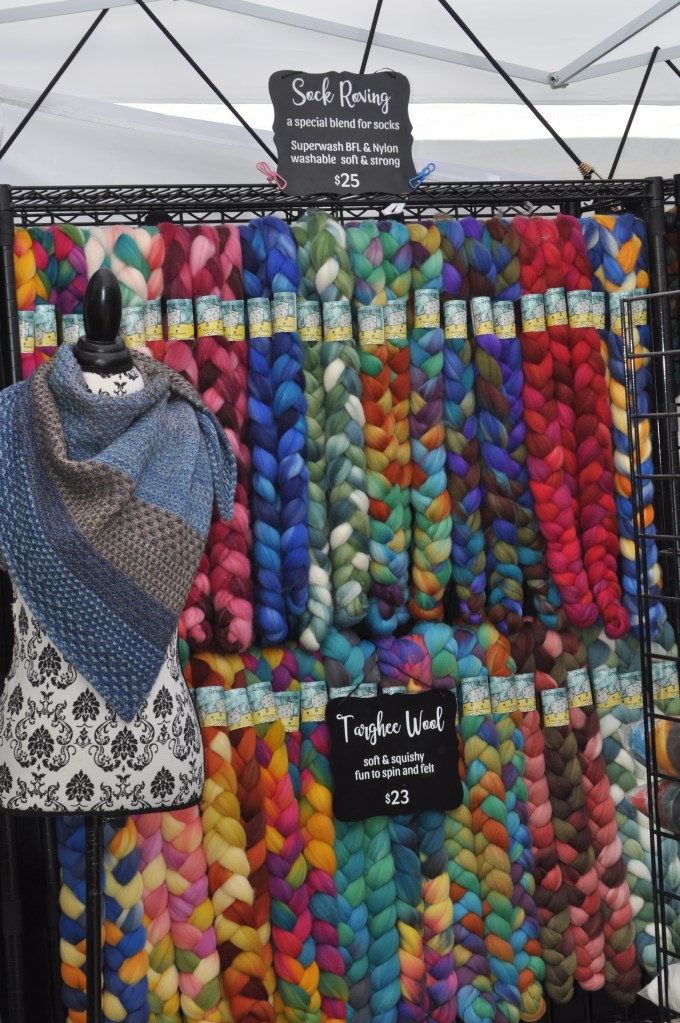
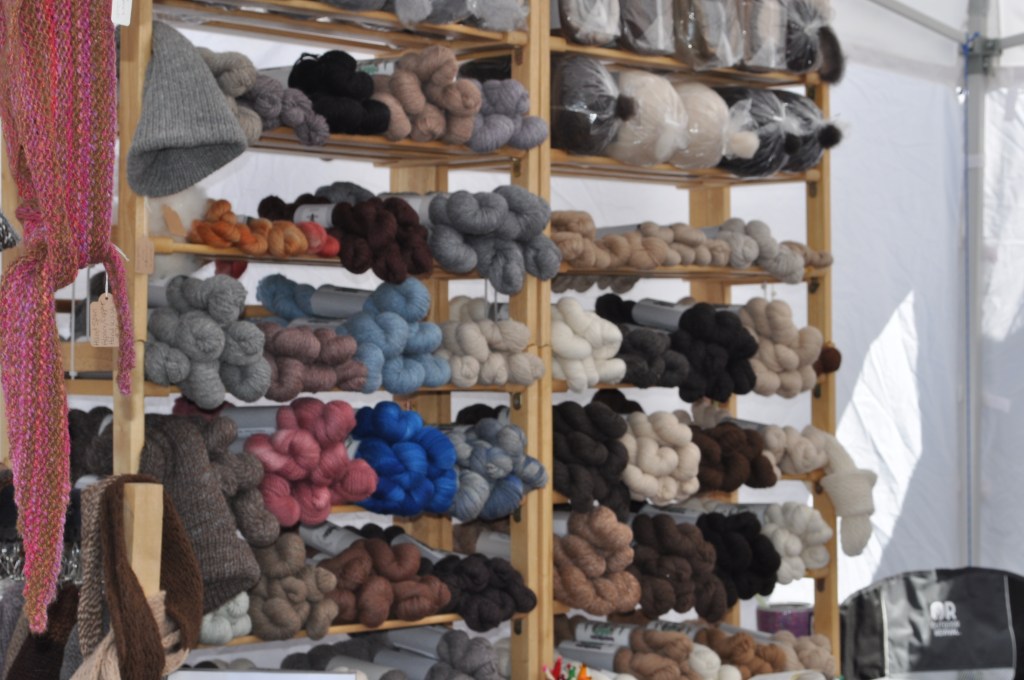
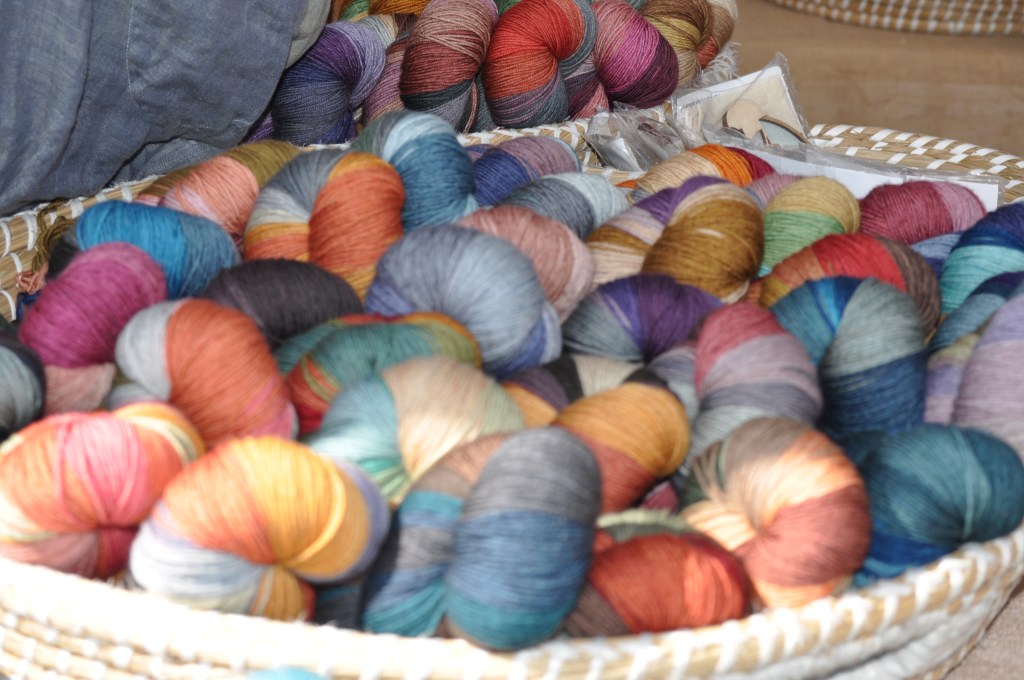
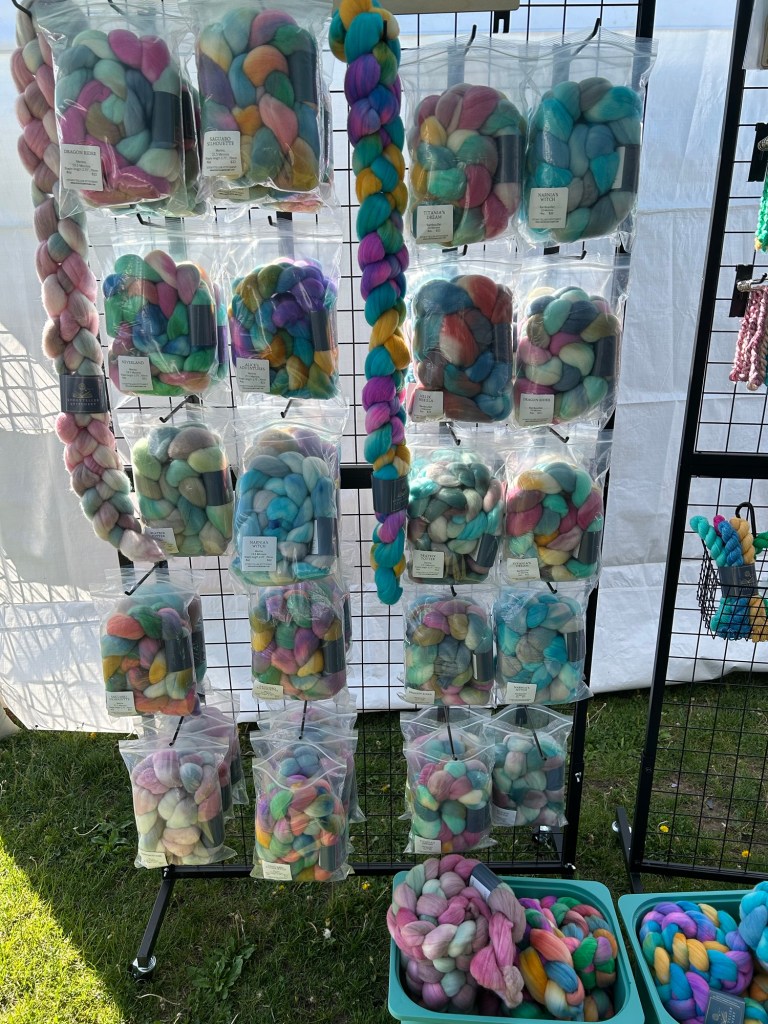
Up first – the many colors of wool in its various stages:


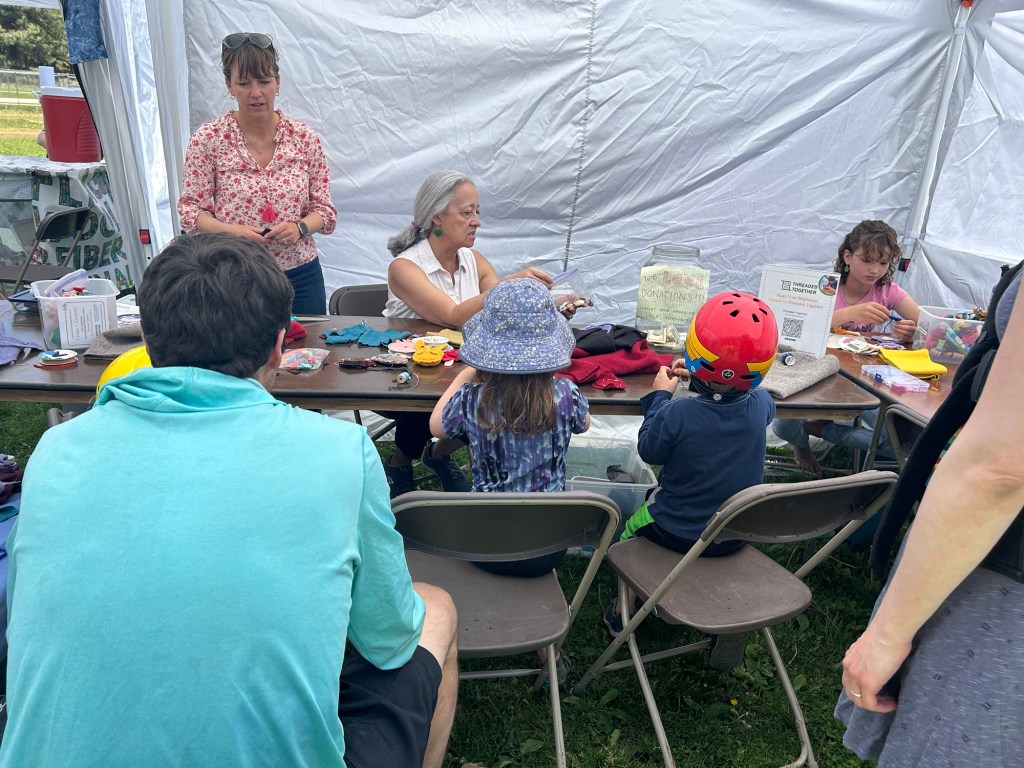
Some of the activities:
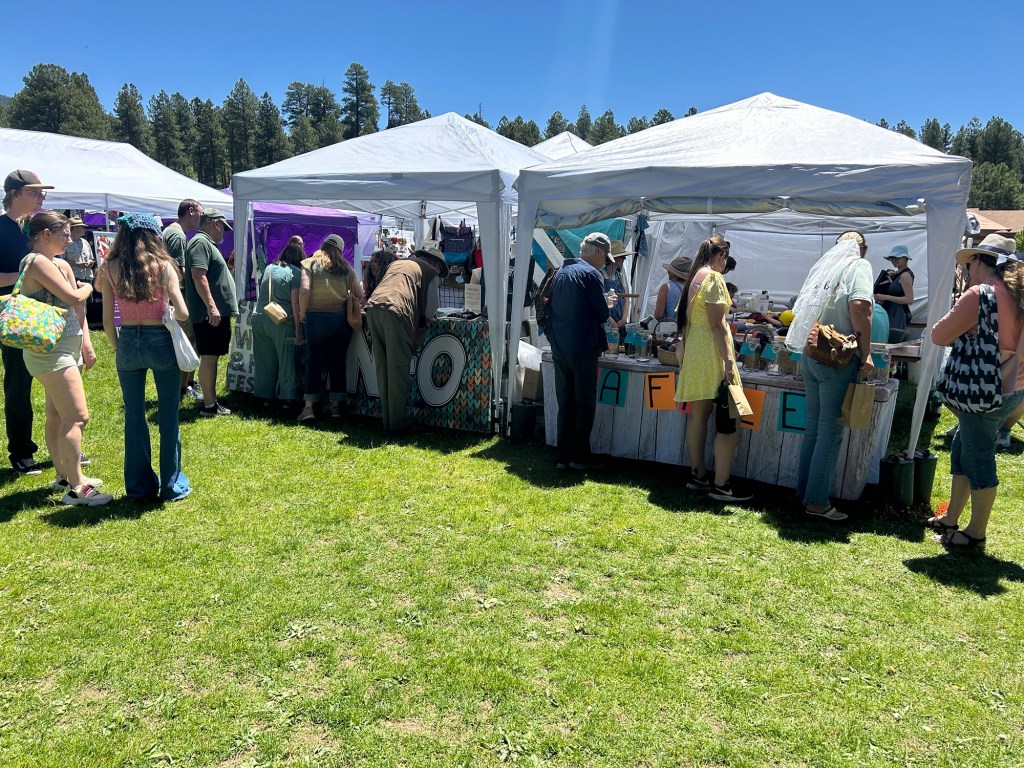

The demonstrations: Up first Navajo Hand Spinning and Carding with Tahnibaa Naataanii
Hope to see you at next Flag Wool and Fiber Festival 2025!
News about the Arizona sheep industry was pretty dull during the month of May 1924. The events up to the middle of the month can be summarized as:
One new sheep brand was applied for by Reid Cashion L & C Co, Ashfork.
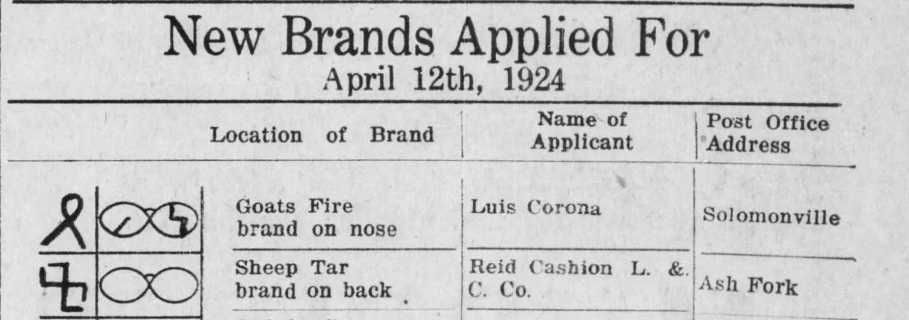
Several sheep men were fined for grazing sheep on Forest Reserves within the state. Their fine was $25 dollars or $458.40 in today’s dollars.
Sheep had mostly left their winter grazing land, the Salt River Valley, and headed to cooler northern environments. Grasses were reported on the range to be “pretty fair.” Several different sheep men were mentioned – Fermin Echeverria, Howard Sheep Co., Colin Campbell and sons.
An ad appeared suggesting the benefit of raising sheep.

An article on 21 May 1924 in the Arizona Republic gave wool prices for the western wool states. Prices across the area ranged from as low as $ 0.32 to a high of $ 0.47 per pound or $ 5.87 to $8.62 repsectfully in today’s dollars. The article also said that wool was moving slow. Most of Arizona’s wool had been consigned to the Boston Market and only about half had been paid for. So getting into the sheep business may not have been lucrative at this time.
The biggest problem plaguing the sheep industry was the foot and mouth disease but because of the radical procedure put in place, no reports of it had been found in Arizona. Travel between California and Arizona had been restricted for both livestock and people. The tourist industry was hard hit economically in the state but all considered that a minor inconvenience to what could happen to the livestock and farm products, a major economic component of the state’s economy, if the dreaded disease was found in Arizona.
And that is the sheep news for the majority of May 1924. I will report on the rest of the month soon as I still need to finish my research.
I leave you thinking of a ewe and her lamb born in April:

 ArizonaSheepHistory.wordpress.com