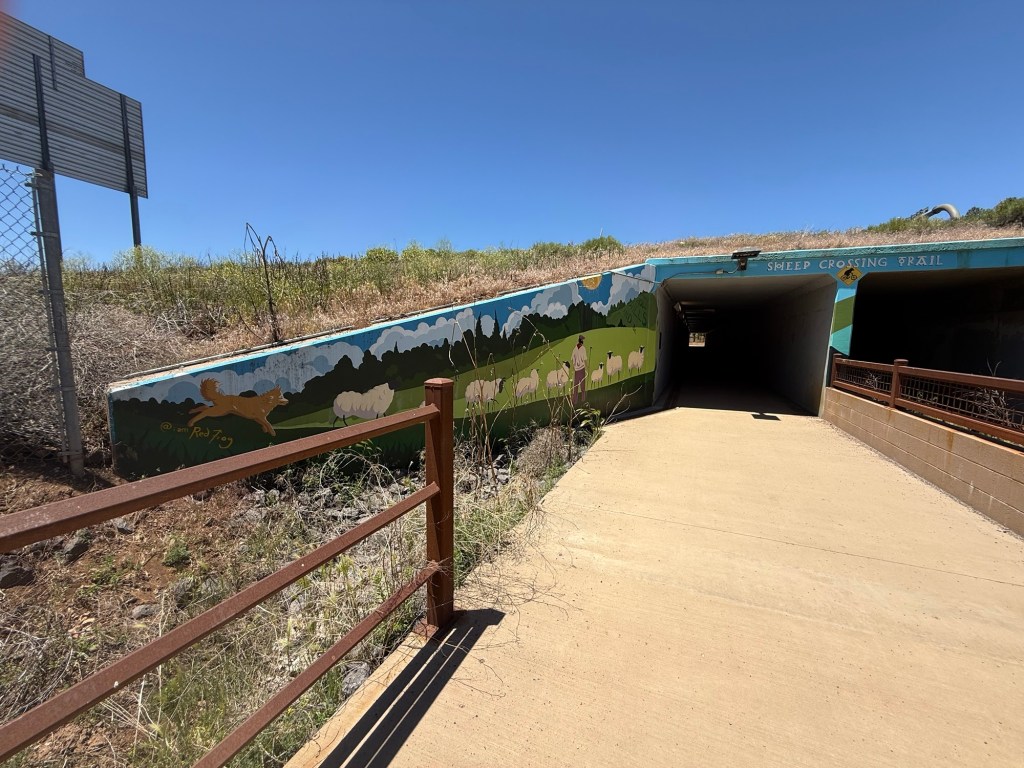
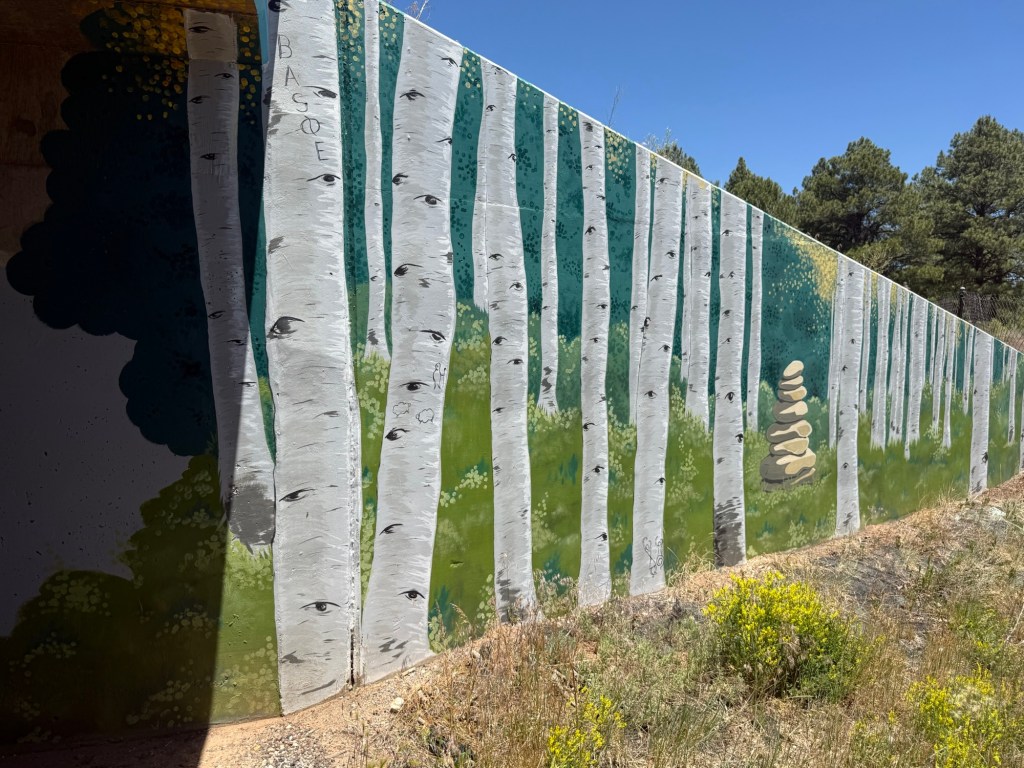
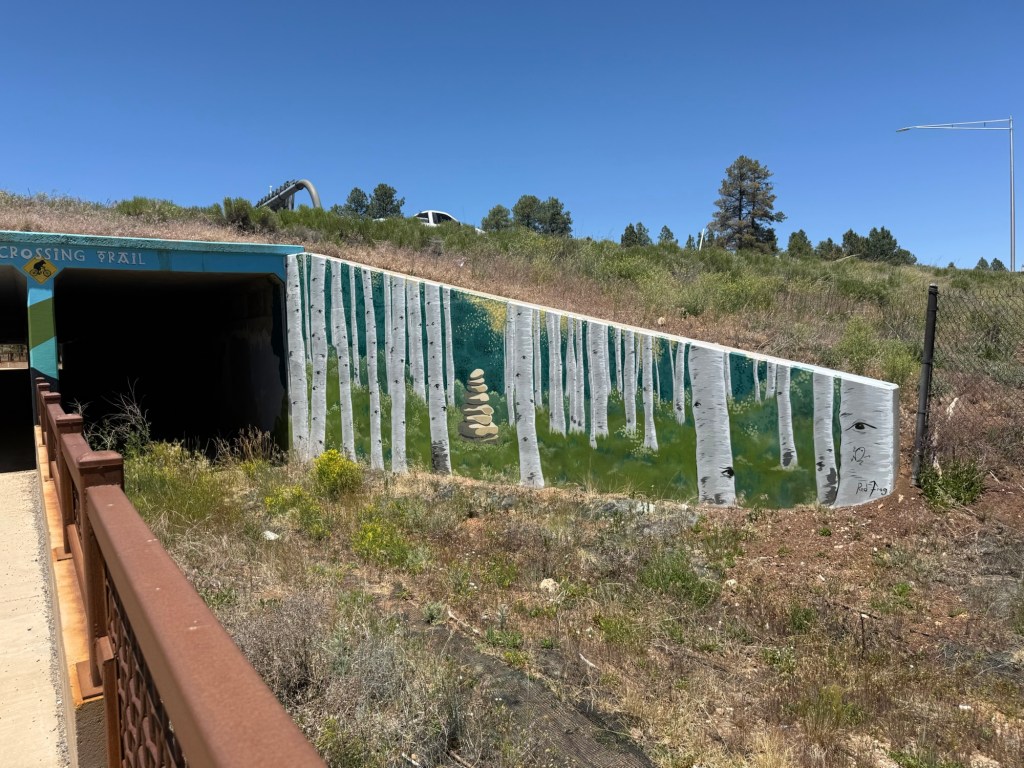
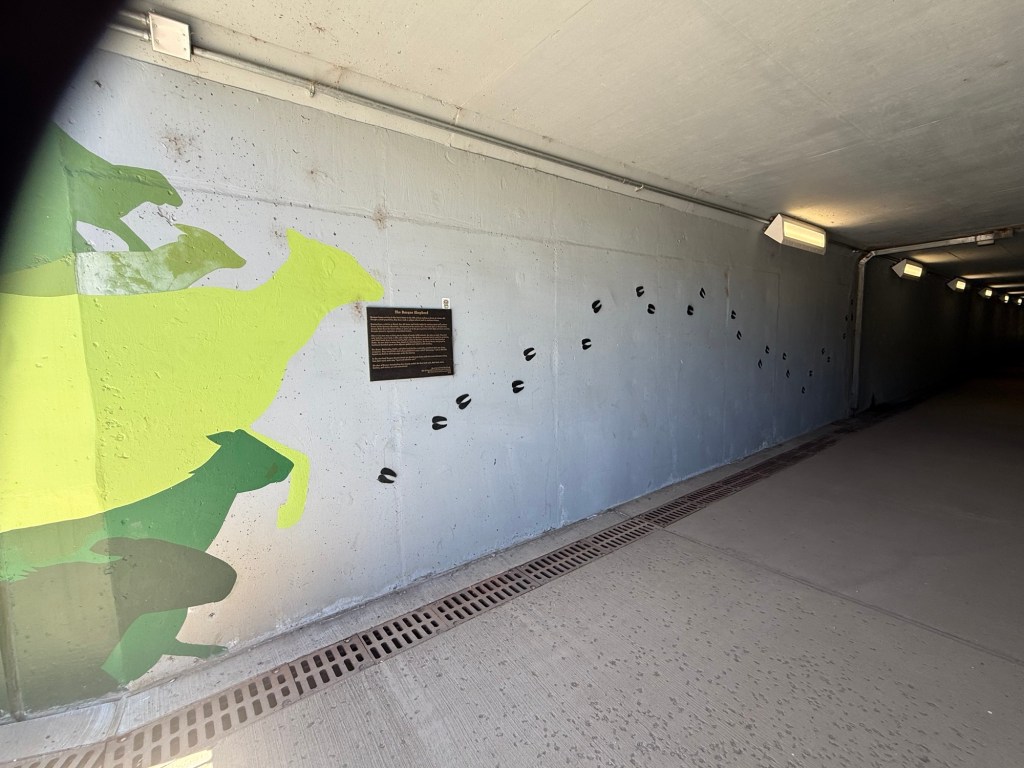
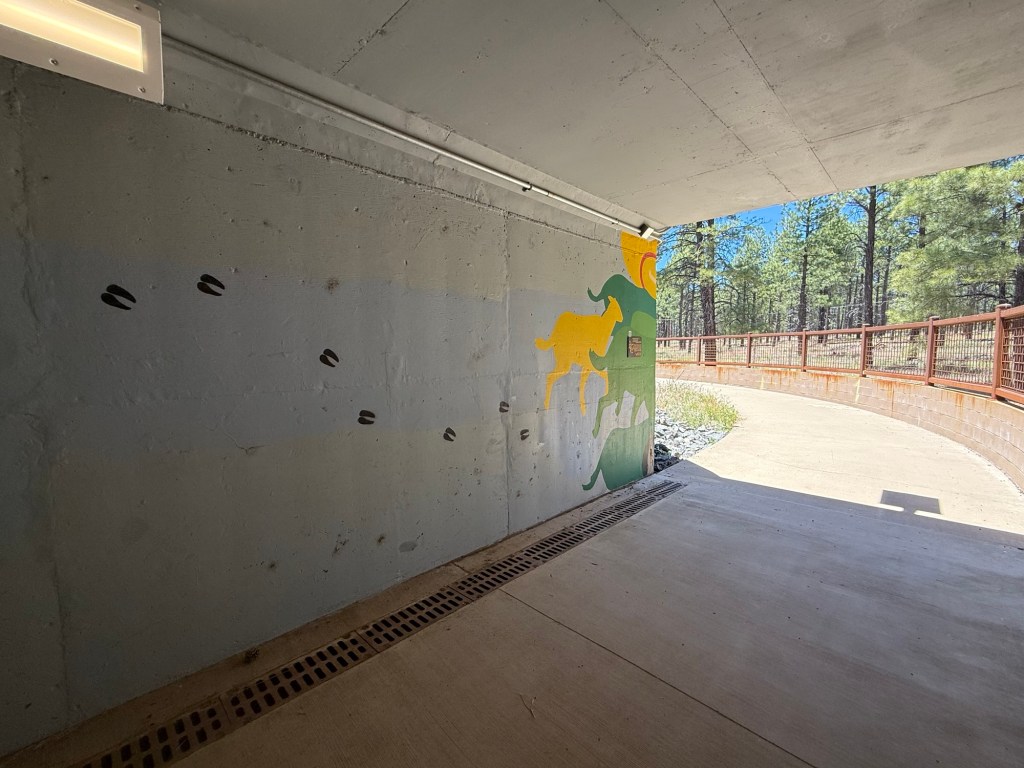
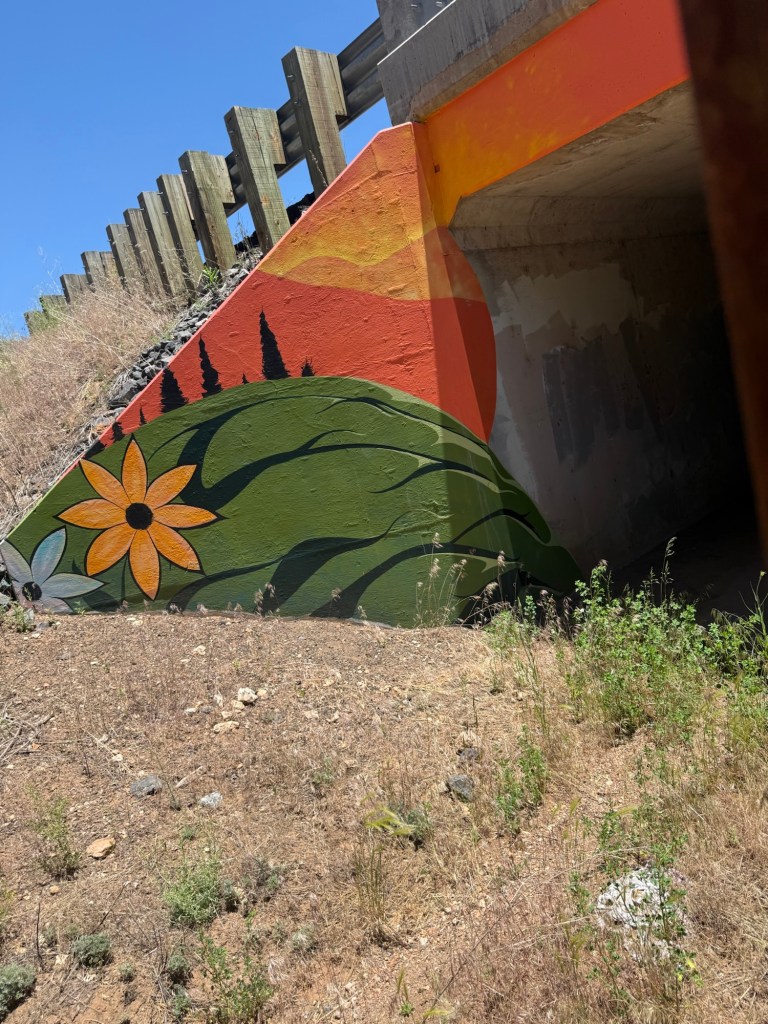
A few years ago Flagstaff honored the sheep industry in the area by putting murals on the underpass used by the sheepmen trailing their sheep from the south to the north each year. The Manterola’s were probably the last sheep outfit to use the underpass. This past June I finally got the time to walk this trail (now an urban bike/walking trail).
My pictures don’t do it justice. It is a great walk in the cooler air of Flagstaff.
As I was searching through the first 11 days of June 1926 newspapers it was sparse for information on the sheep industry. My search terms were both sheep and wool. This is what was found:
Several newspapers mentioned that sheep were held longer than usual on their winter pastures and now just headed to the north to spend the summer in the plateau country. The spring downpours were beneficial to the livestock owners. The sheepman delayed moving flocks northward to take advantage of the abundant feed in the valley and thus giving the mountain pastures more growing season which the forest service officials said would greatly increase the quantity of grass for the summer.
It was interesting to note that, “the dates on which the driveways are used are regulated to meet the requirements of feed, lambing and shearing. The forest service has charge of the regulation of the movements of sheep, and the driveways are so located as to size and direction as to provide feed for ‘carrying’ the great bands of sheep as they make their month-long trips.” (Arizona Republic June 7, 1926)
A few people who were in the sheep business were mentioned. Some of that information just stated that they were visiting in Flagstaff getting ready to move their sheep to the north country. One sheepman, A.T. Kesslar, had sold his sheep. The other sheepmen mentioned were Carlos Costillo, J. C. Kaler, T.E. and R.R. Pollock, Harry Henderson, John Hennessy, Harlow Yeager, Colin Campbell and George Wilbur. Incorporation of the Wallaha Sheep Company by the Pollock’s was undertaken this month. In the research I have undertaken of the sheep industry in Arizona, Costillo and Kaler were unknown names to me. Those two men will need to be further researched.
There were wool shipments from Holbrook to Boston. Queen Creek reported that 18 carloads of sheep shipped in May. It did not report where the sheep were sent. One particular article mentioned the 27 carloads of sheep passed through Prescott in route to Williams and summer grazing grounds. The sheep came from Calipatria, California and were owned by the Daggs Sheep Company. Six thousand sheep also belonging to the Daggs were being held in Kirkland and would need to be shipped to Del Rio for the summer.
As to wool prices at the beginning of June, the newspaper articles stated that they were no higher (from what, I could not find an answer) but demand was slowly broadening. West wool was being shipped when buyers and growers agreed on prices. Consignments were increasing as growers were unwilling to accept current bids, preferring to take a chance that later the market would make advancements. Wool from foreign markets was going straight to mills as mills had reported an improved demand for goods. By the 11th of June, wool trading had increased but there was no significant change in wool price from buyers.
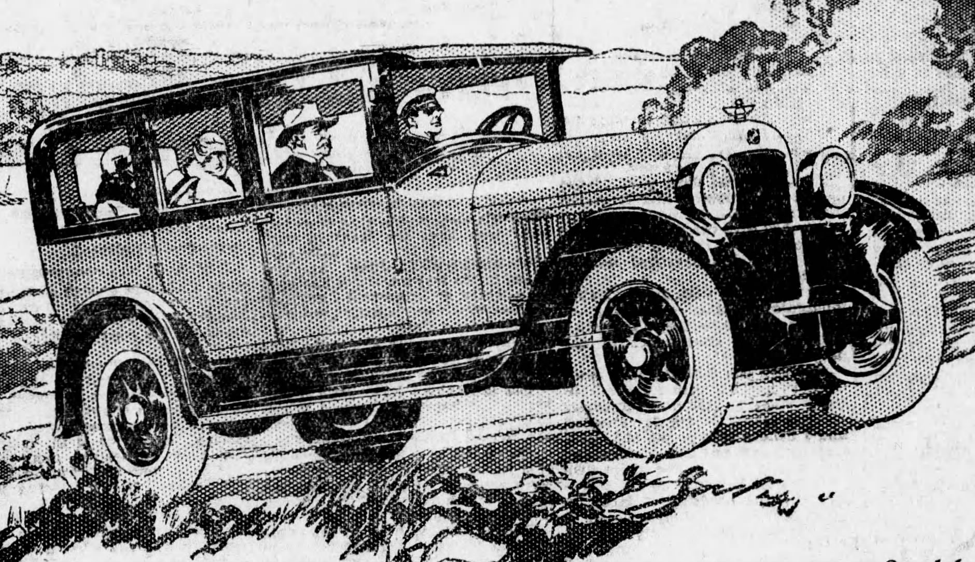
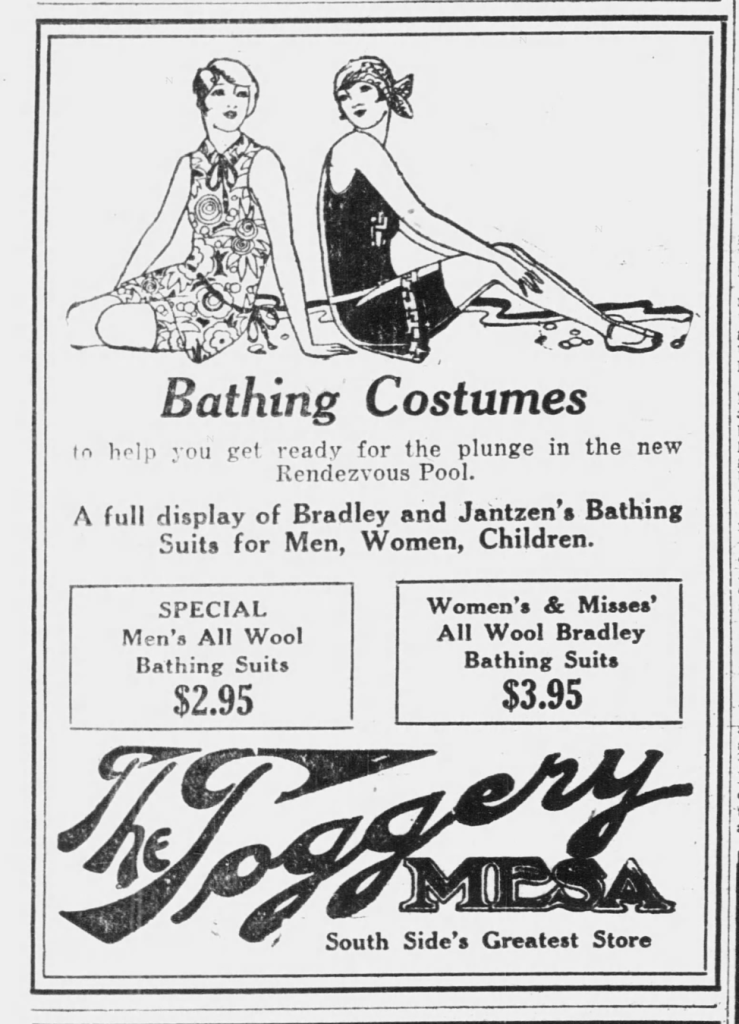
Several of the newspapers during the first eleven days of the month advertisements for wool clothing, especially wool bathing suits for both men and women. One also mentioned that the six passenger Studebaker with deep wide cushions durably upholstered in genuine wool and wool carpet.
I don’t know how many times I have taken this journey, but it is always fun, educational and worth the time to travel to the Auza’s Sheep Company. From my house to their office driving through the Phoenix metropolitan traffic can be a challenge but worth it once I arrived.
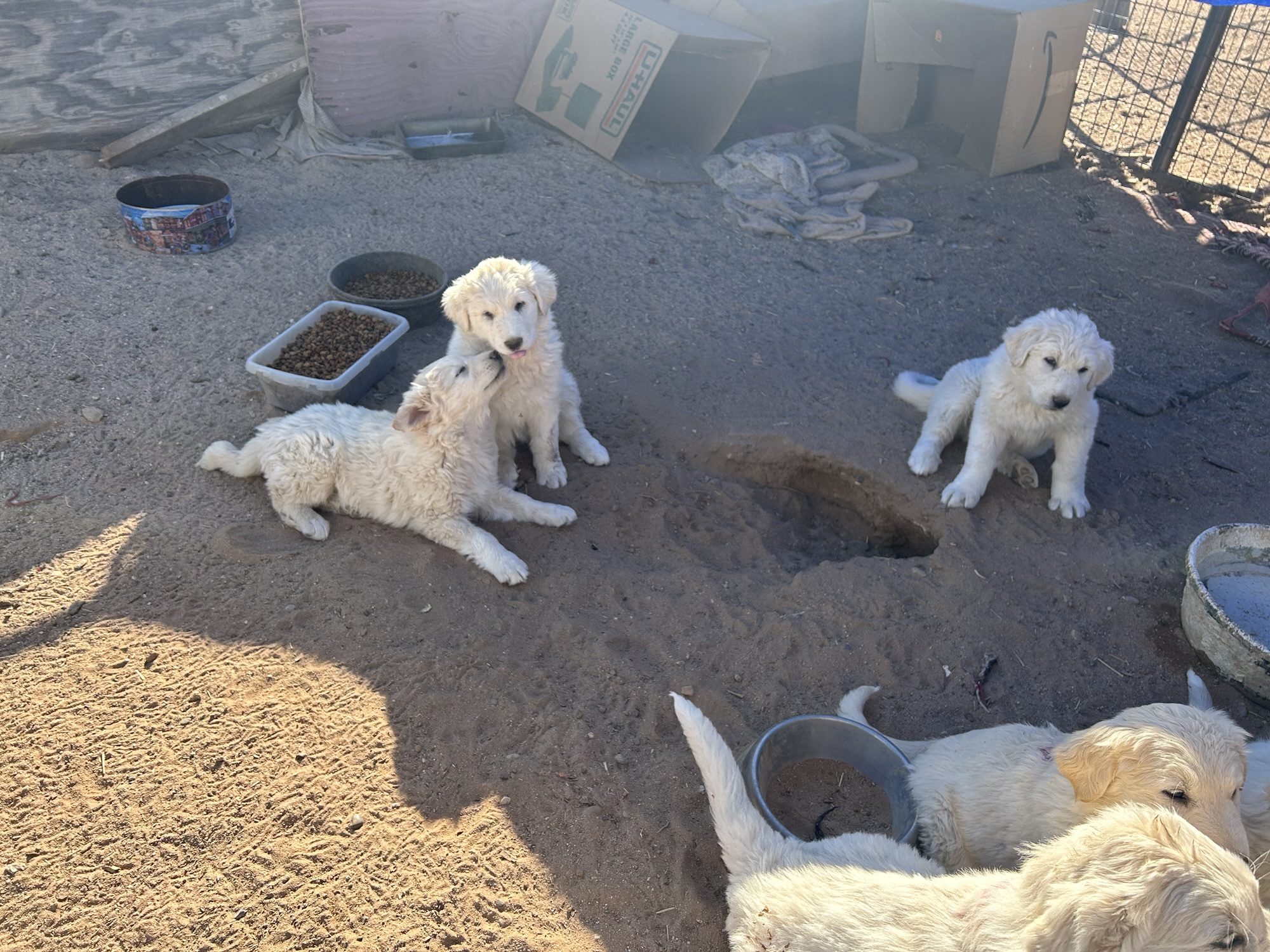
The day started at the Auza’s seeing the new Great Pyrenees puppies. I had never seen the puppies before and could have spent the day with them. They are so adorable and friendly but watch when they are out with the sheep. A different story if you mess with their sheep! But these little guys have some training to go through first.
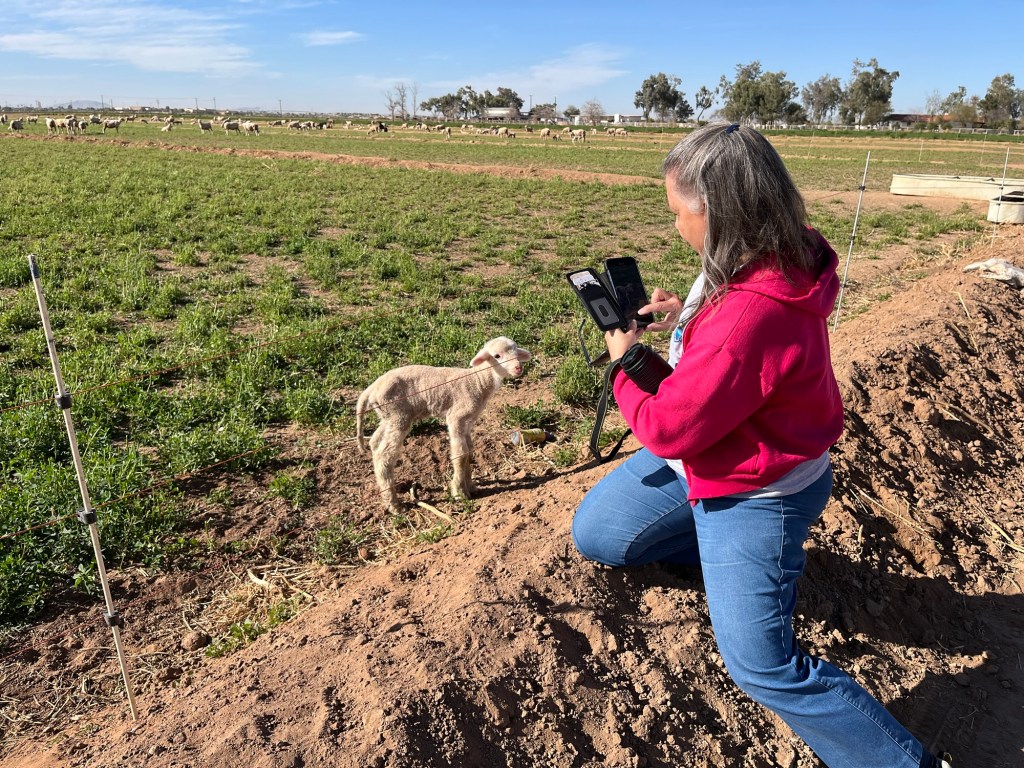
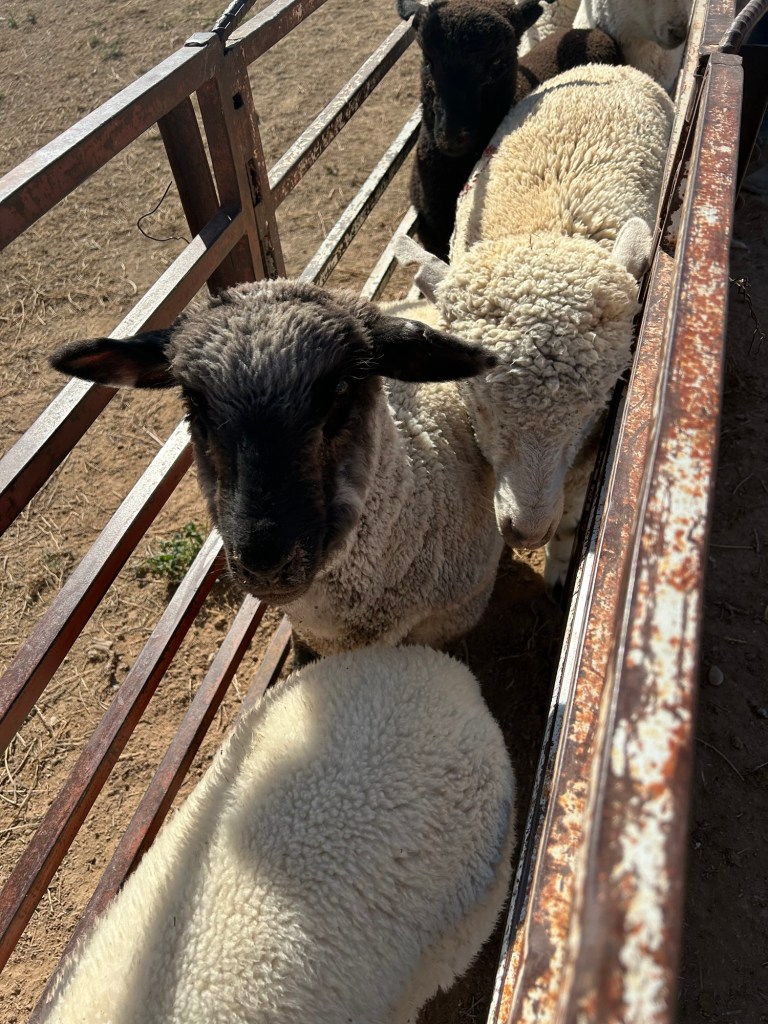
After leaving the puppies we drove to see the lambs which are also adorable and so cute. I could take them home with me! Several were close to the road and came to visit. These lambs were being bottled feed.
Mama’s with older babies were in the adjacent field.
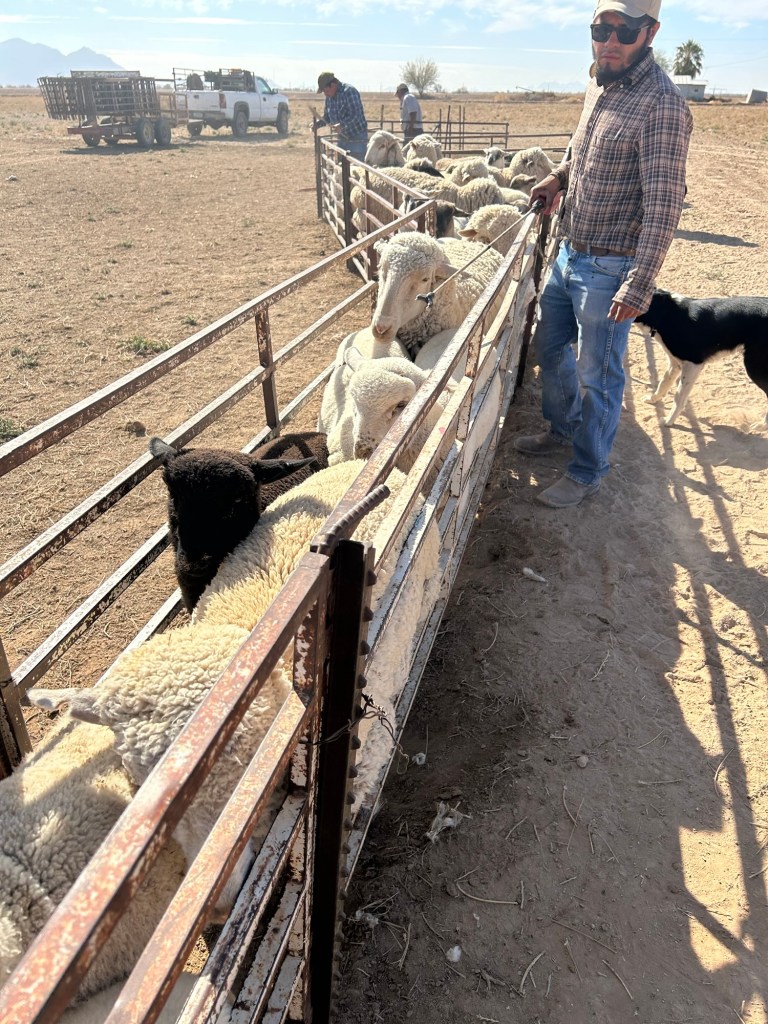
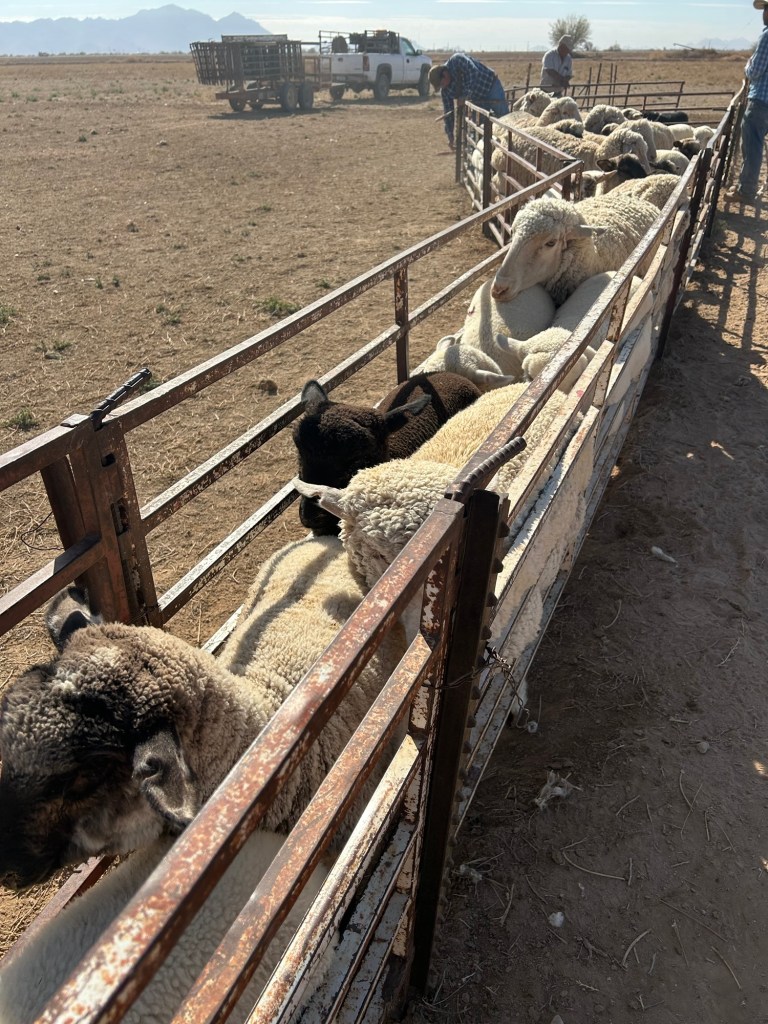
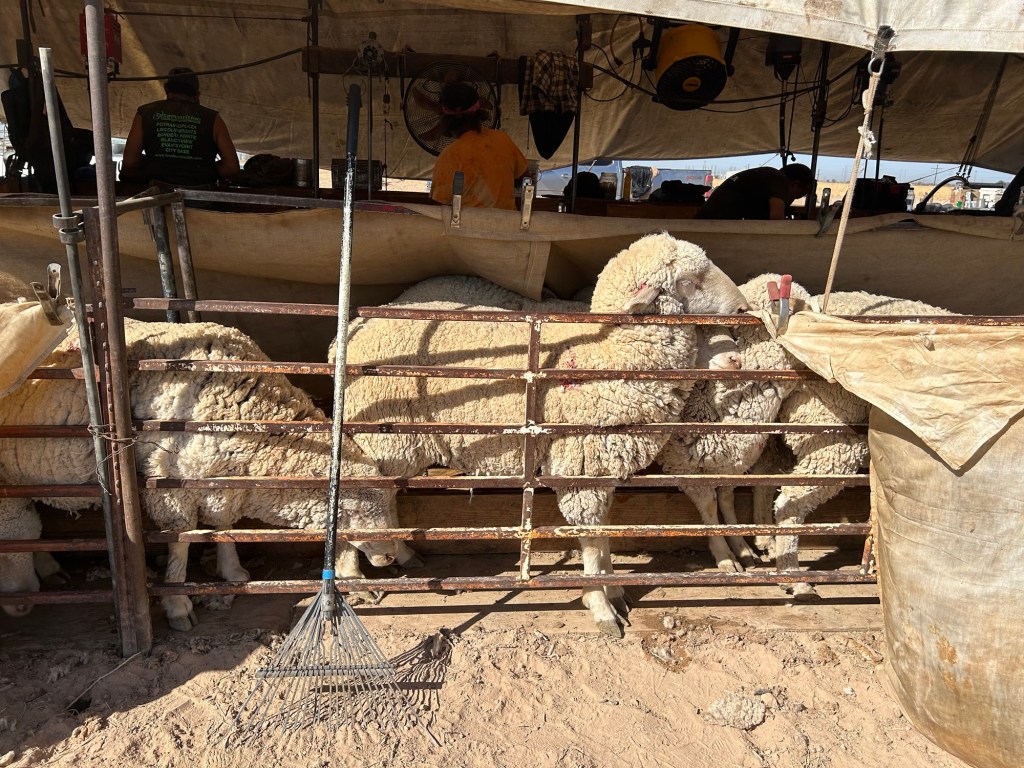
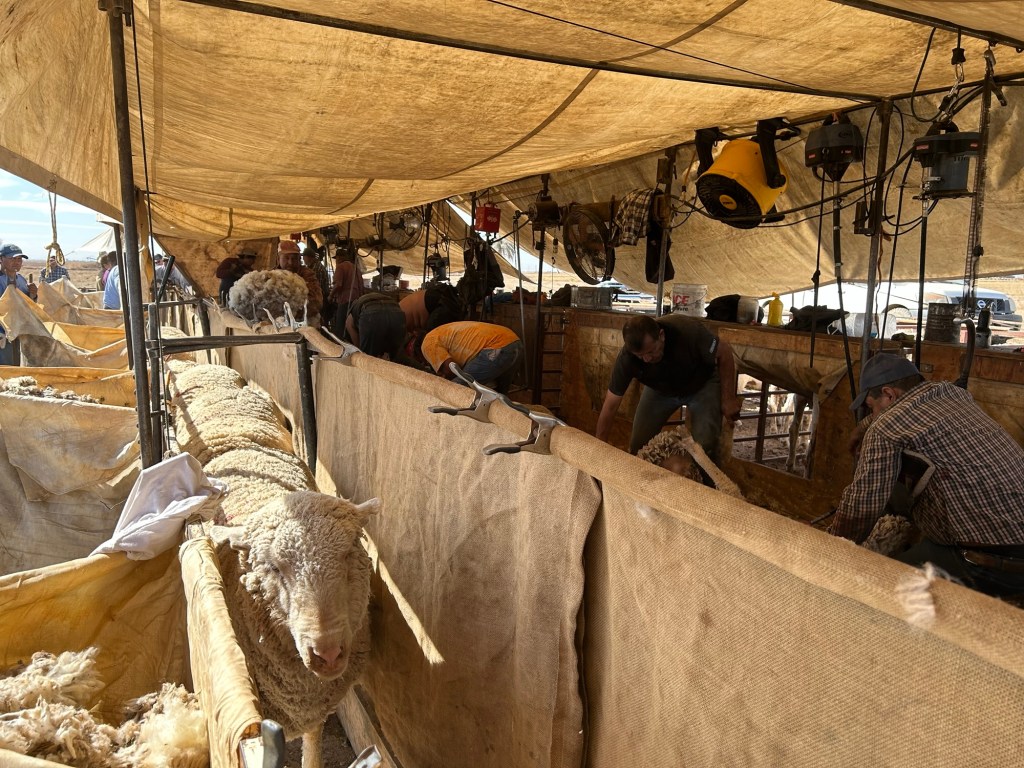
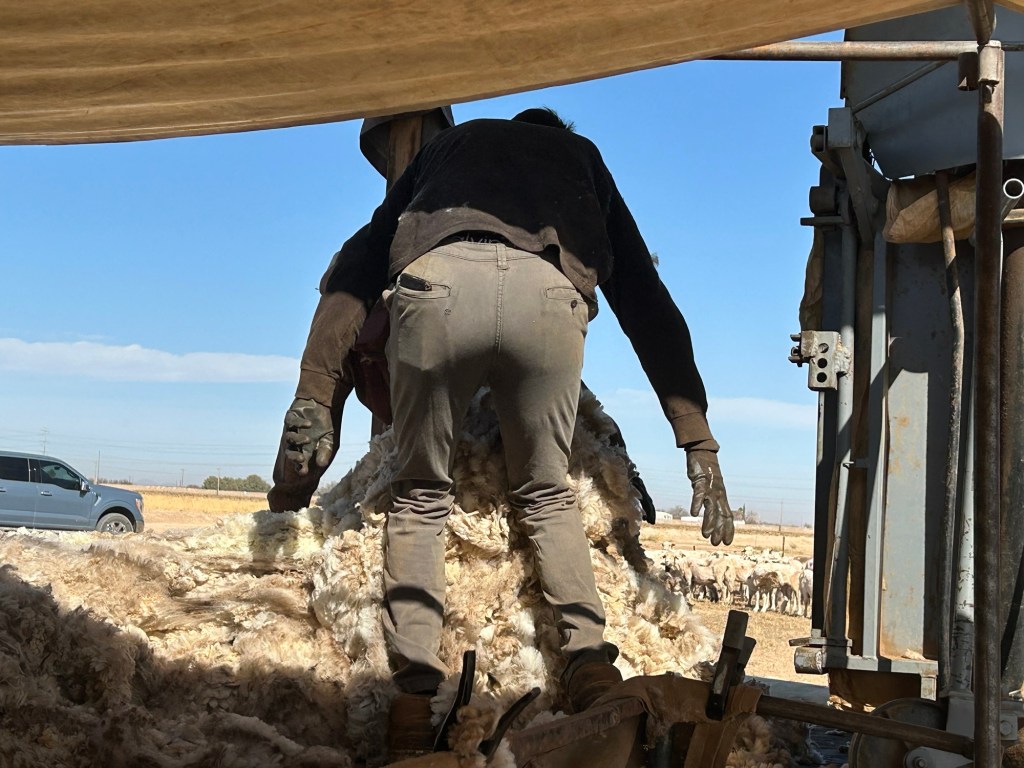
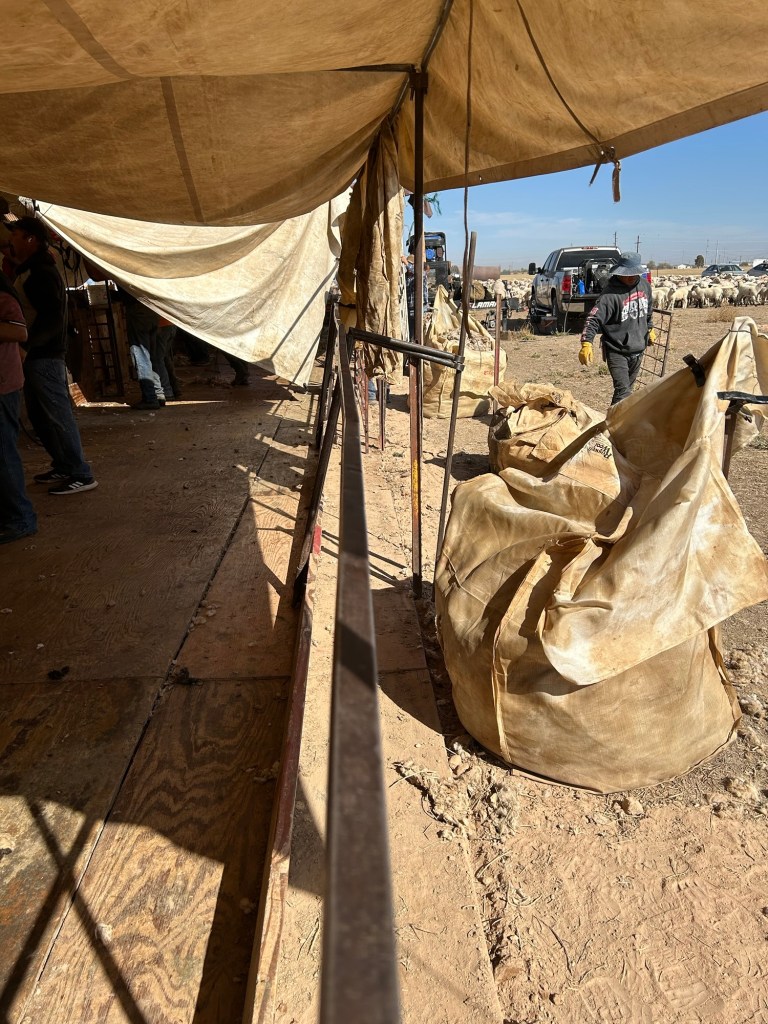
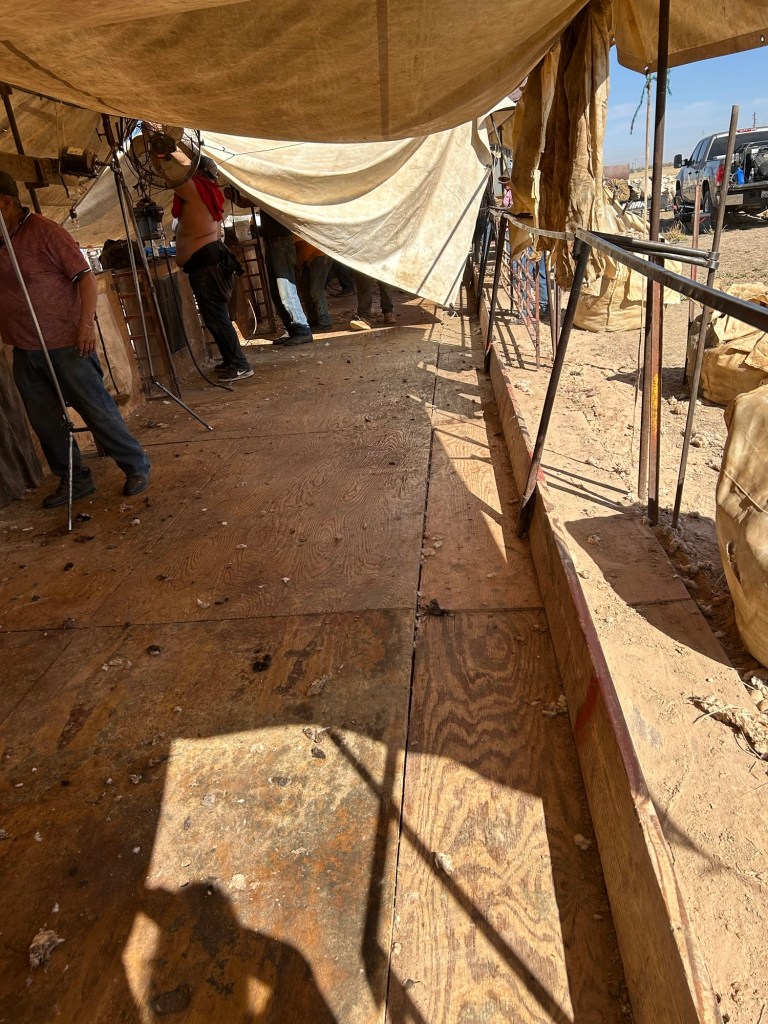
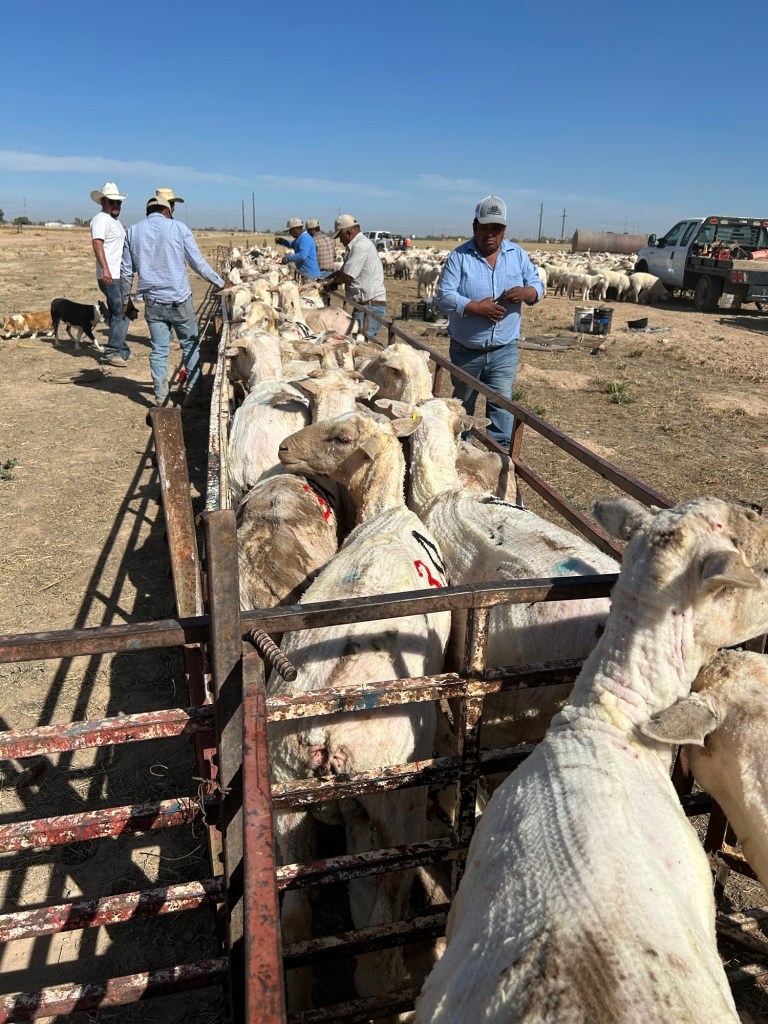
Our last stop was the shearing operation. This is organized chaos. Lambs crying for their mamas which are being sheared, ewes wanting to get ahead or see what the line hold up is, men pushing the ewes along the line for the next available shearer, the shearing, the gathering of the wool and putting it in the machine to be pressed down until the bag is about 400 pounds!
The last step after shearing is the vaccination process and the camp is broken down and moved to the next location. But the men will stop first for their lunch before shearing all afternoon.
As soon as I can upload a couple of videos I will put on another post. For now enjoy. I hope to see you back for my next post.
If you have sent requests for information about a sheep owner rest assured I am working on trying to answer your questions. I hope to post this Friday about Eldon Thude and Whitten and I’ll check for other requests too.
With Christmas and everything I got behind in my research but that should change now!
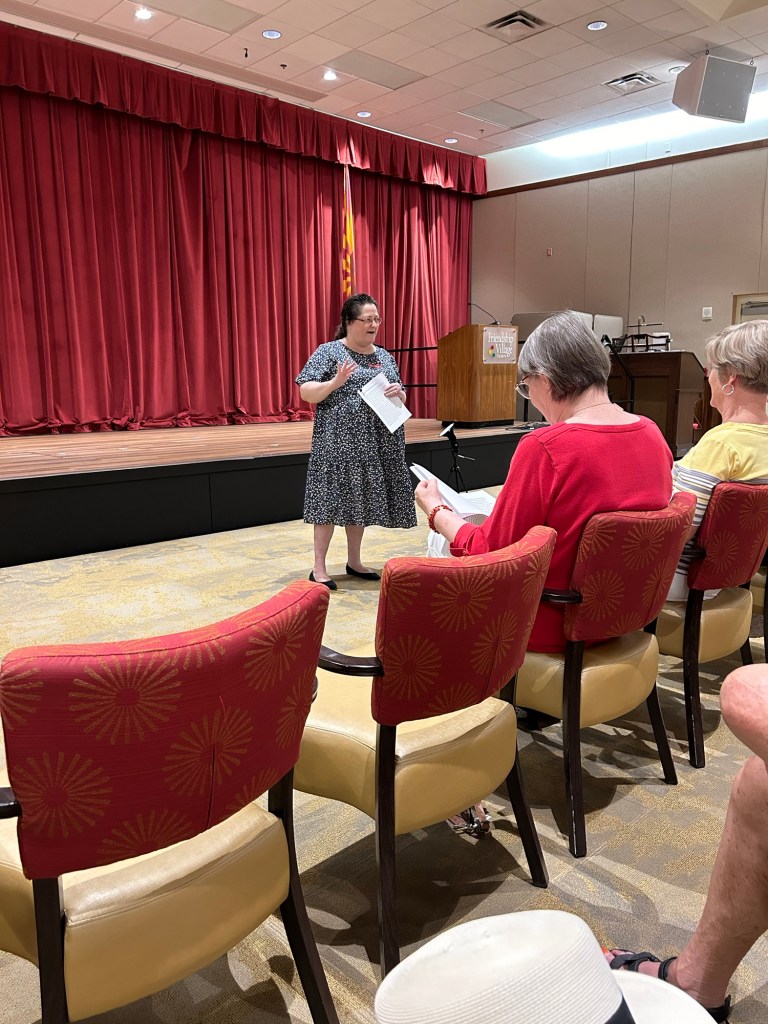
That was the title of my presentation at Friendship Village on Monday.
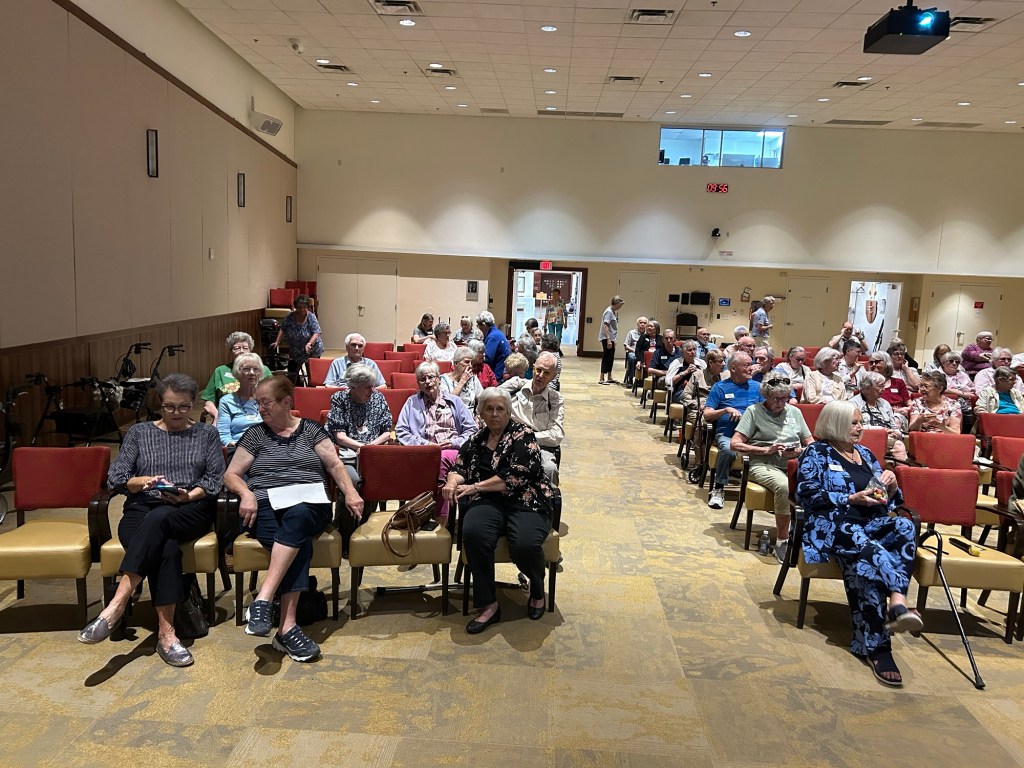
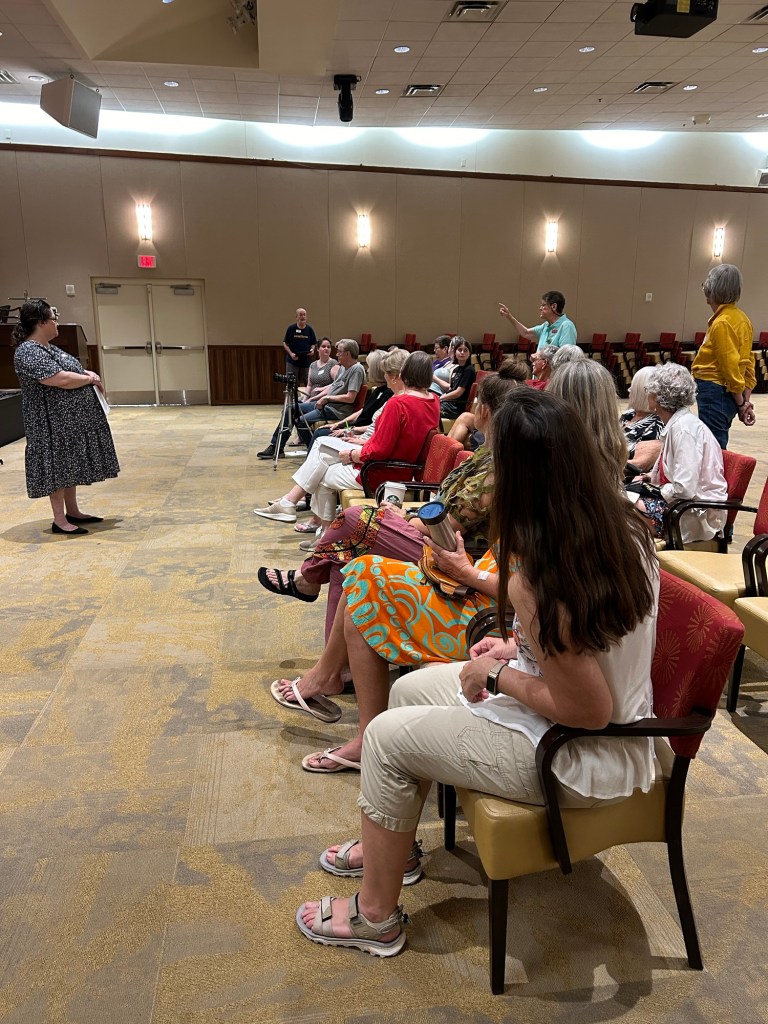
The first order of business was herding the flock into the Skirm, the auditorium at the Village. They came by twos and threes walking, pushing their walkers or wheeling in their wheel chairs. They were joyful, smiling, talking to each other. I needed a couple of sheep dogs to keep them moving but they finally listened to directions!
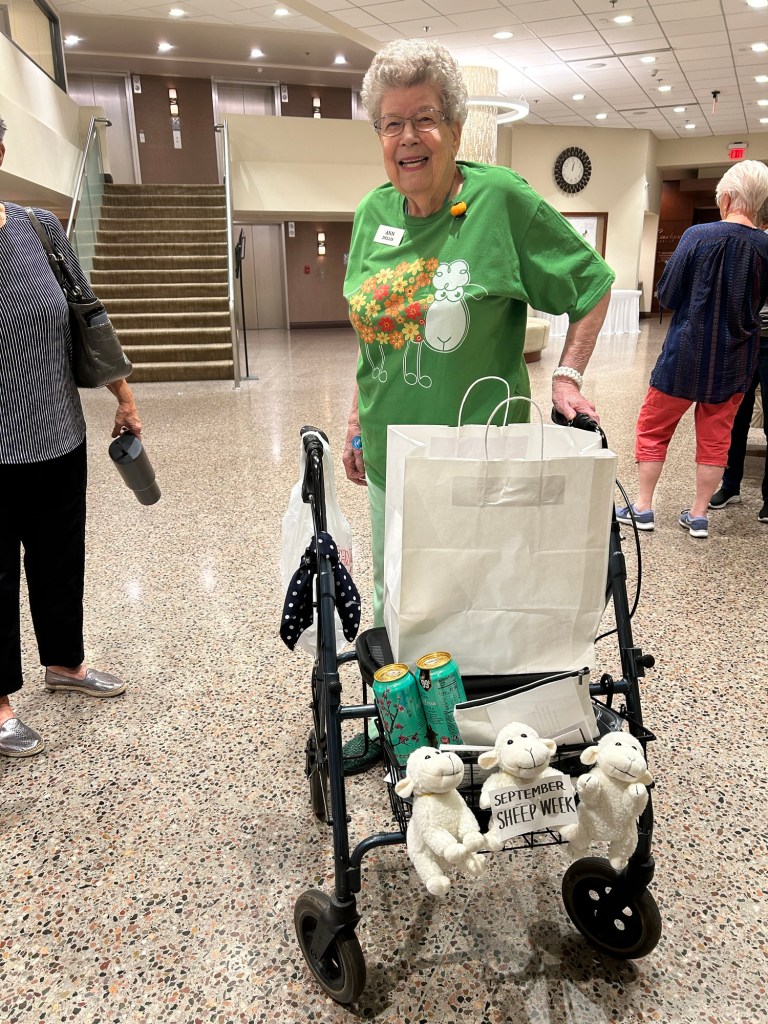
One lady brought her own small flock.They sat talking to their neighbors and friends.
Some just sat and stared at the screen. It made me really think they were a flock of sheep.
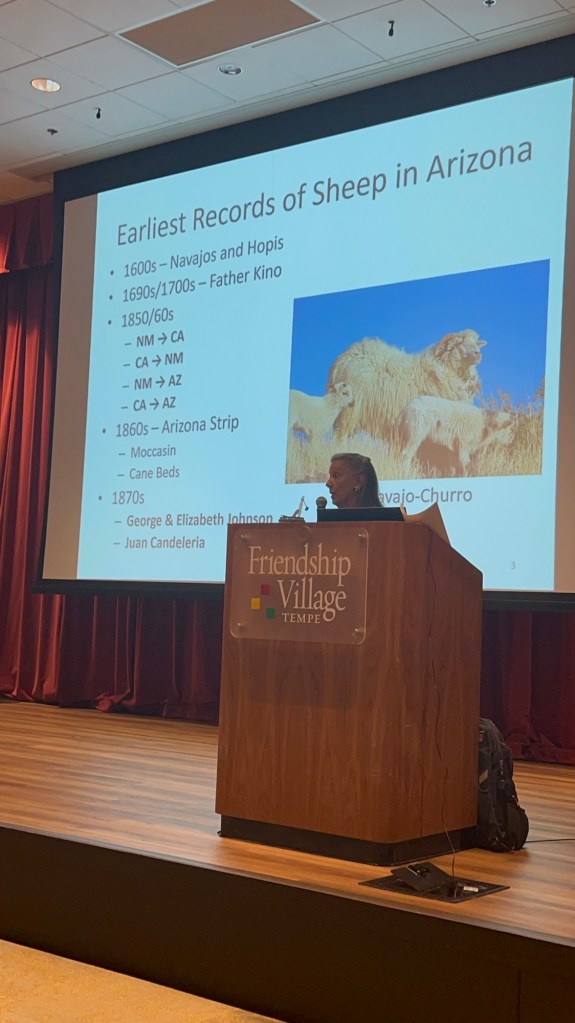
With the flock settled down to take a rest, chew on their breakfast, announcements were made, and then it was time for Melanie Aja Lanford to introduce the speaker. That would be me!The early history of sheep moving in and out of Arizona was first on the agenda.
Then the speaker, that’s me, presented the cyclical cycle of sheep in Arizona.
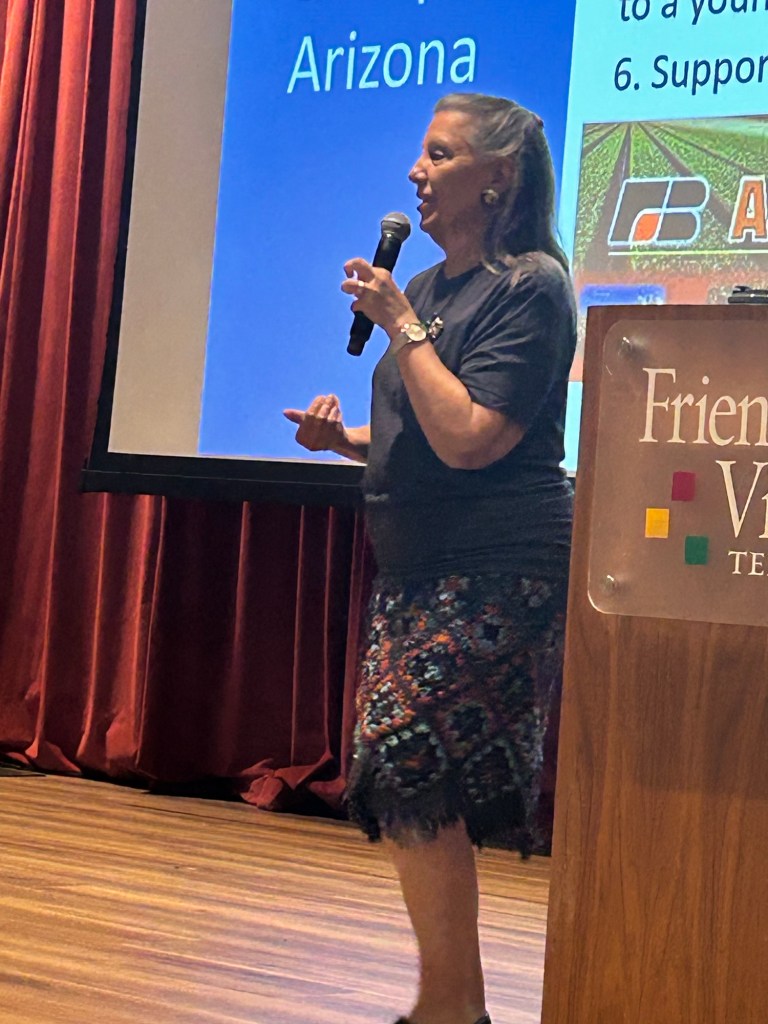
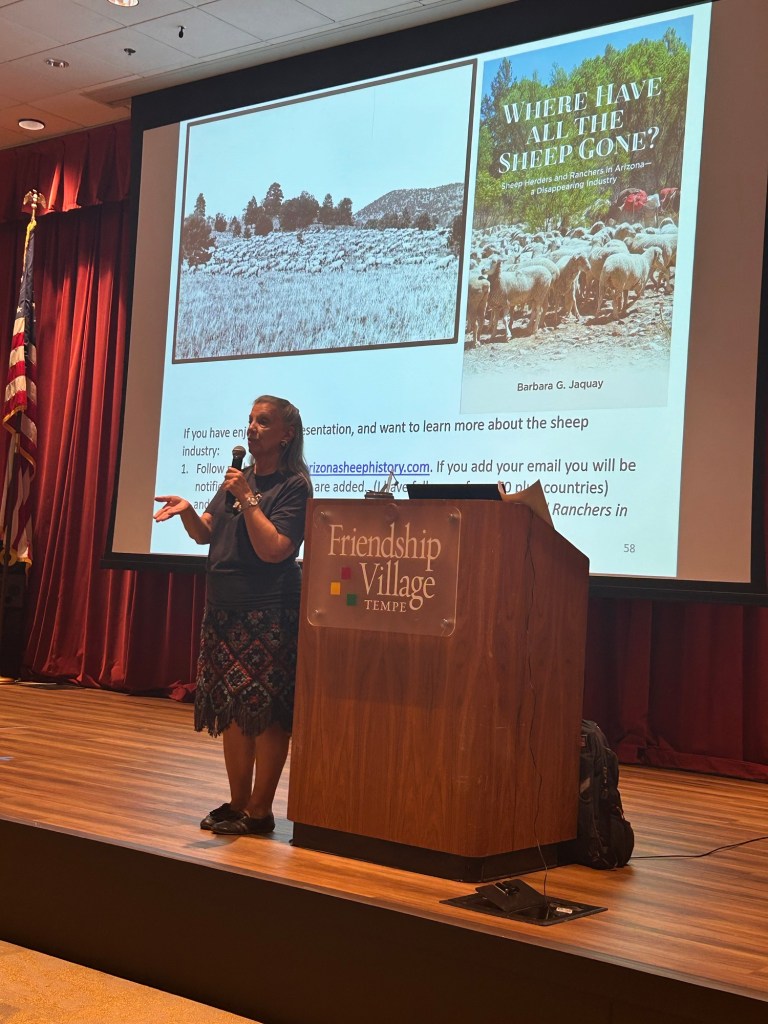
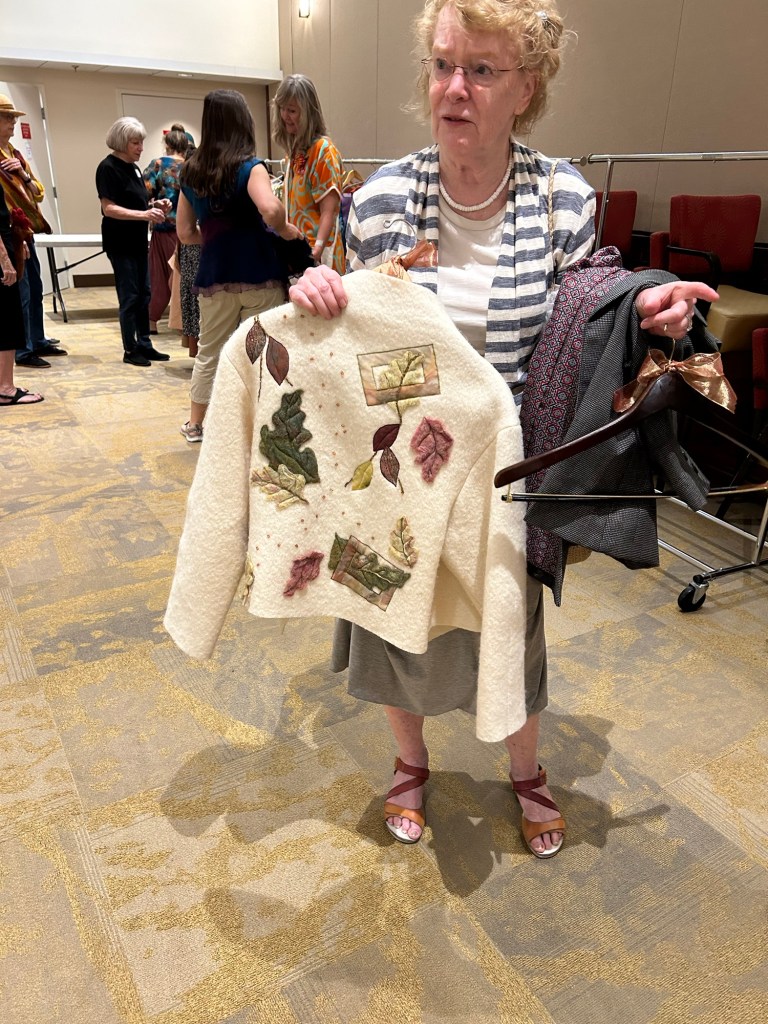
The speaker in her wool granny square skirt. It was made especially for this week of Sheep September.Concluding the presentation the speaker discussed why the sheep industry has declined in Arizona and what people could do to help the industry not only in Arizona but also nationally.
To conclude the day activities the film by Francis Line following the sheep on the Heber-Reno Trail was shown. More on this tomorrow.
It has been several months since I last posted here. My sincere apologies but life took a drastic turn for me and I am just getting back to writing. This project which I about to write about has kept me busy and I still dabble researching the sheep industry here and there across the state, but just not as much time to do as before.
But let me tell you about an event that I am really excited to be involved with and one that I hope brings others to appreciate the history of sheep and their contribution to Arizona’s early economy.
A retirement village in Tempe approached me last January to help organize/coordinate activities for a week long event in September about sheep in Arizona. Over the last eight months a community of ladies from the village and I have determined those activities. A variety of activities were discussed and given a “hoofs” up or down.
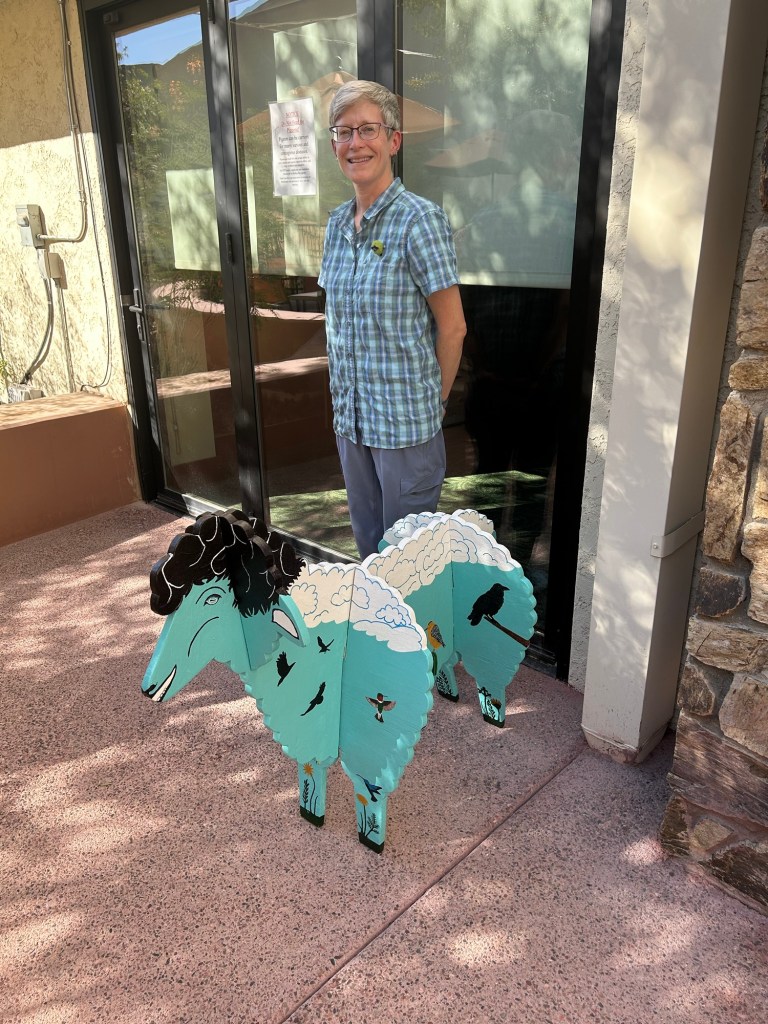
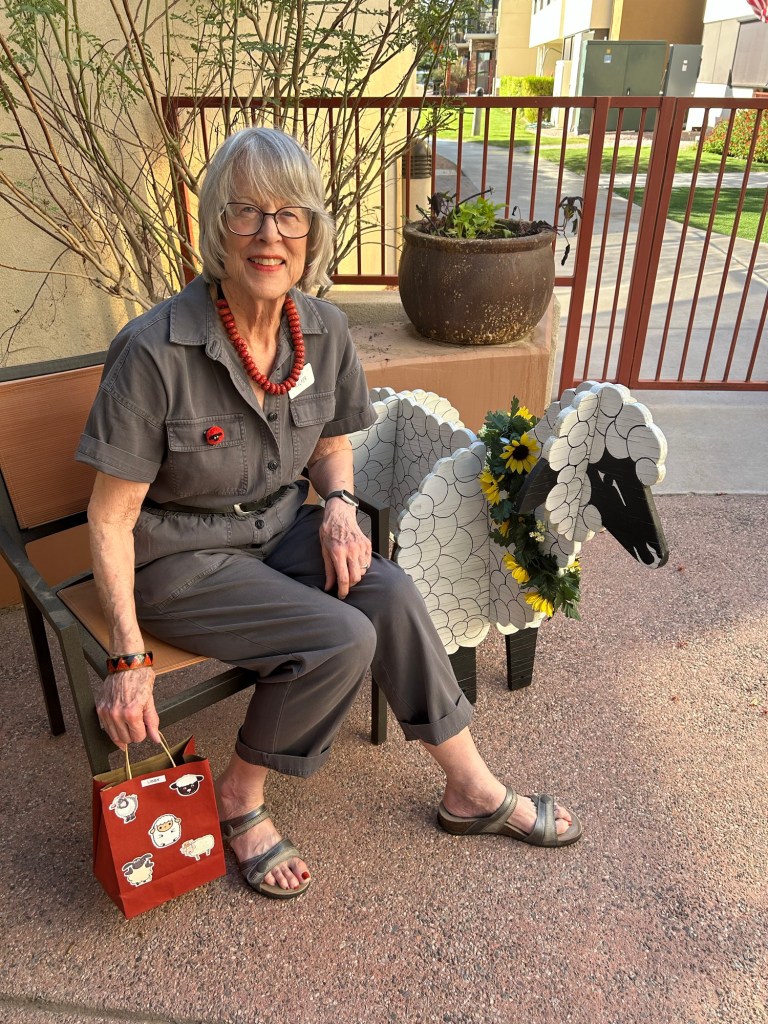
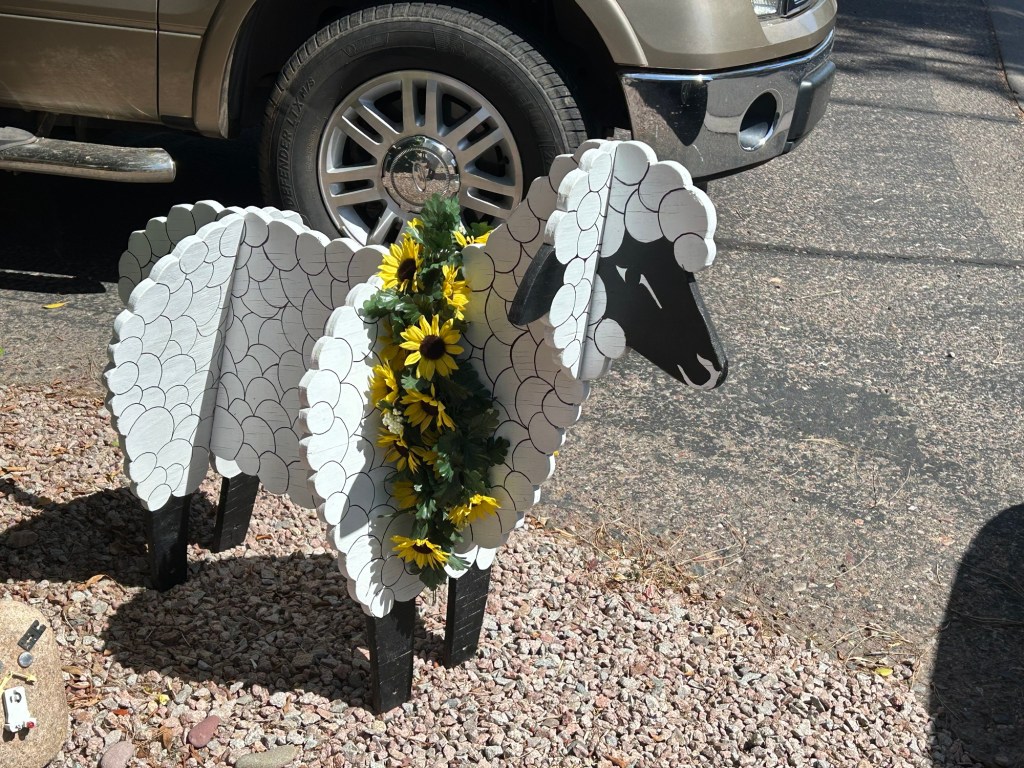
The kickoff event is September 5th. On this day there will be several events. The first event centers on judging of plywood sheep that members in the community decorated. I have arranged for four ladies whose families were in the sheep business to be judges for the wooden sheep decoration contest. Those judges are Kathy Aleman, Janice Ryan Bryson, Melanie Aja Lanford and Betty Thude. The author, that’s me, will be the tie breaker. The judges:
Kathy married into a sheep family. One of the important facts about this sheep family is Frances Aleman who started the Make It With Wool Contest back in the late 1940’s and is still going on today. More will be written about this in association with the fashion show.
Janice Ryan Bryson’s grandfather and father had sheep at what became known and is still called today, Ryan Ranch near Heber.
Melanie Aja Lanford hails from the Aja-Echeverria sheep families that came very early to Arizona. She still raises a small herd of hairless sheep, St. Croix, for their meat. Her family raised Rambouillet and Suffolk.
Betty Thude can date her sheep family back to the 1940s when her father started his first sheep flock running them both in the area of Williams and the Mogollon Rim area. In fact he purchased the Ryan Ranch! Small world? No, not really as there were not that many sheep owners in the state. It was common practice to buy land or a flock when one sheep owner wanted to leave the business!
Pictures will follow of the sheep after the judging but I’ll tweak your interest with one.
Another event that day is the opening ceremony for the art produced by residents in Friendship Village. I can’t wait to see all the items that have been painted, molded, sculptured or woven/cross stitched or other art forms.
And then to top it off is Happy Hour where there is supposed to be lamb sliders (sliders using lamb meat) and a beer made especially for the occasion. More on this in tomorrow’s blog.
I will be writing about each of the events as they happen. The other events happen the week of September 23rd. I will post more all through the month leading up to that week. This week will be the opening ceremony/judging and basic information. I will post pictures also.