Auza’s Sheep Company

I don’t know how many times I have taken this journey, but it is always fun, educational and worth the time to travel to the Auza’s Sheep Company. From my house to their office driving through the Phoenix metropolitan traffic can be a challenge but worth it once I arrived.

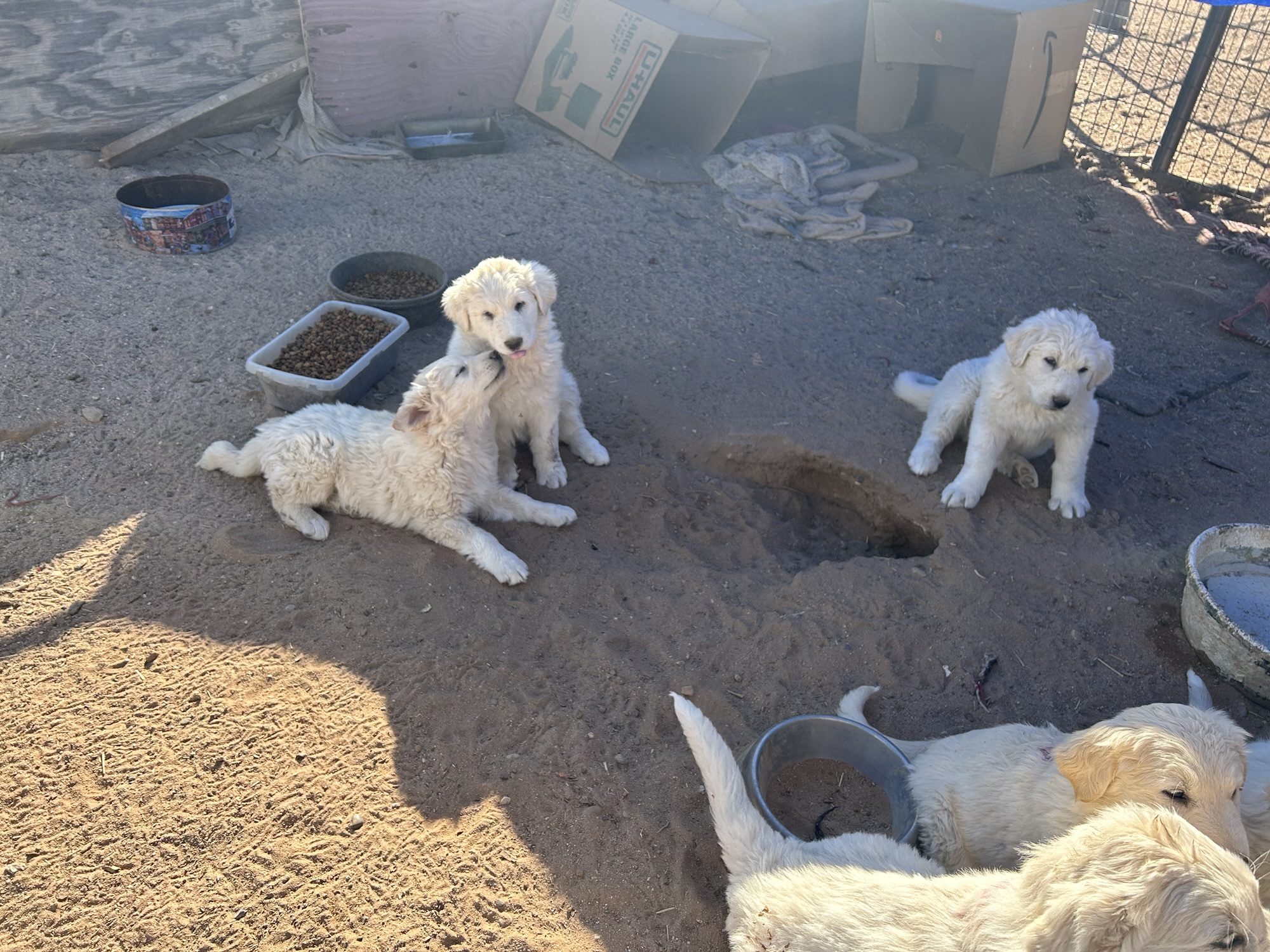
The day started at the Auza’s seeing the new Great Pyrenees puppies. I had never seen the puppies before and could have spent the day with them. They are so adorable and friendly but watch when they are out with the sheep. A different story if you mess with their sheep! But these little guys have some training to go through first.

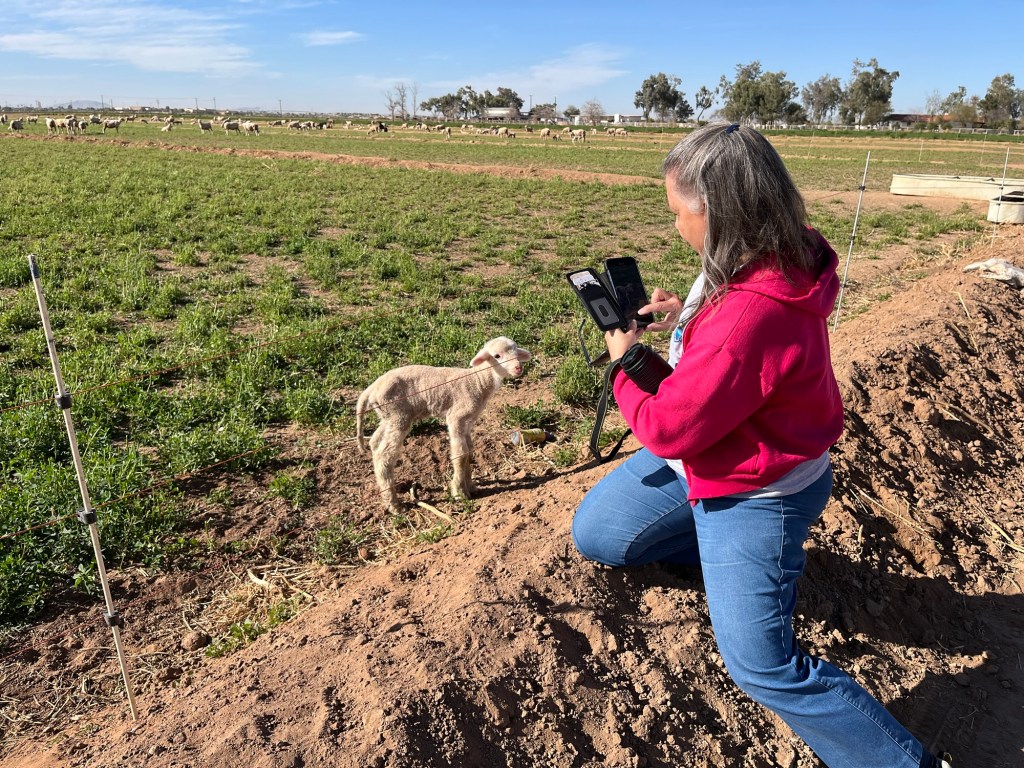
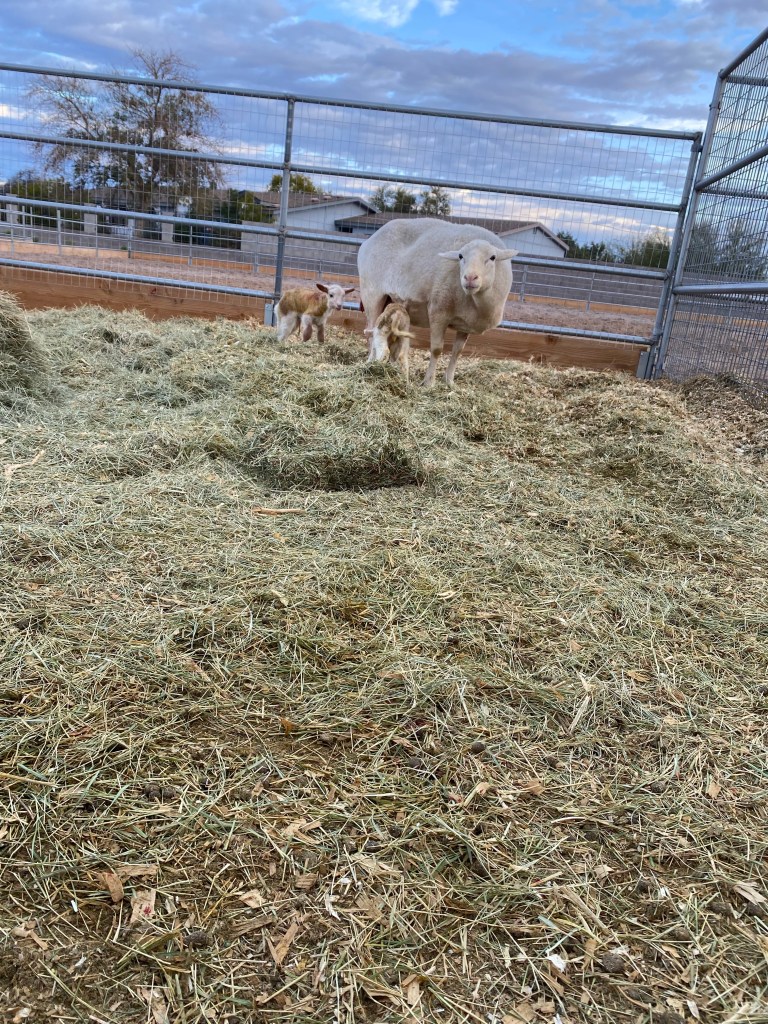
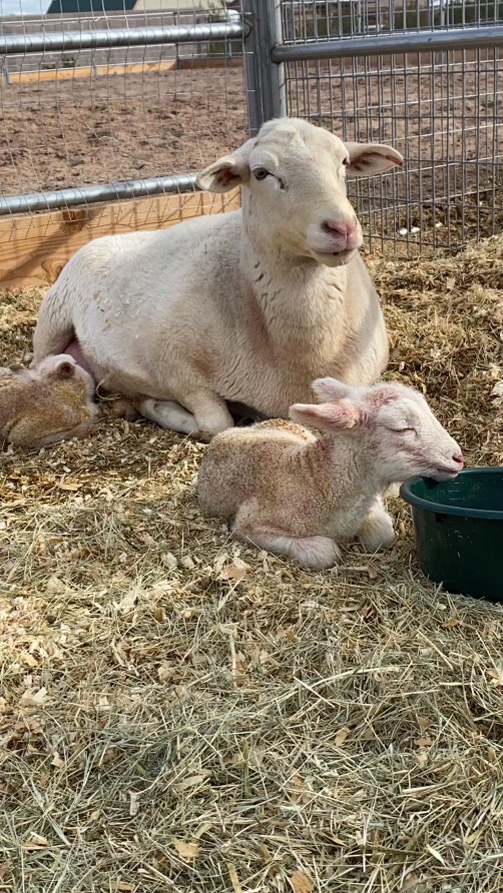
After leaving the puppies we drove to see the lambs which are also adorable and so cute.  I could take them home with me! Several were close to the road and came to visit. These lambs were being bottled feed.

Mama’s with older babies were in the adjacent field.

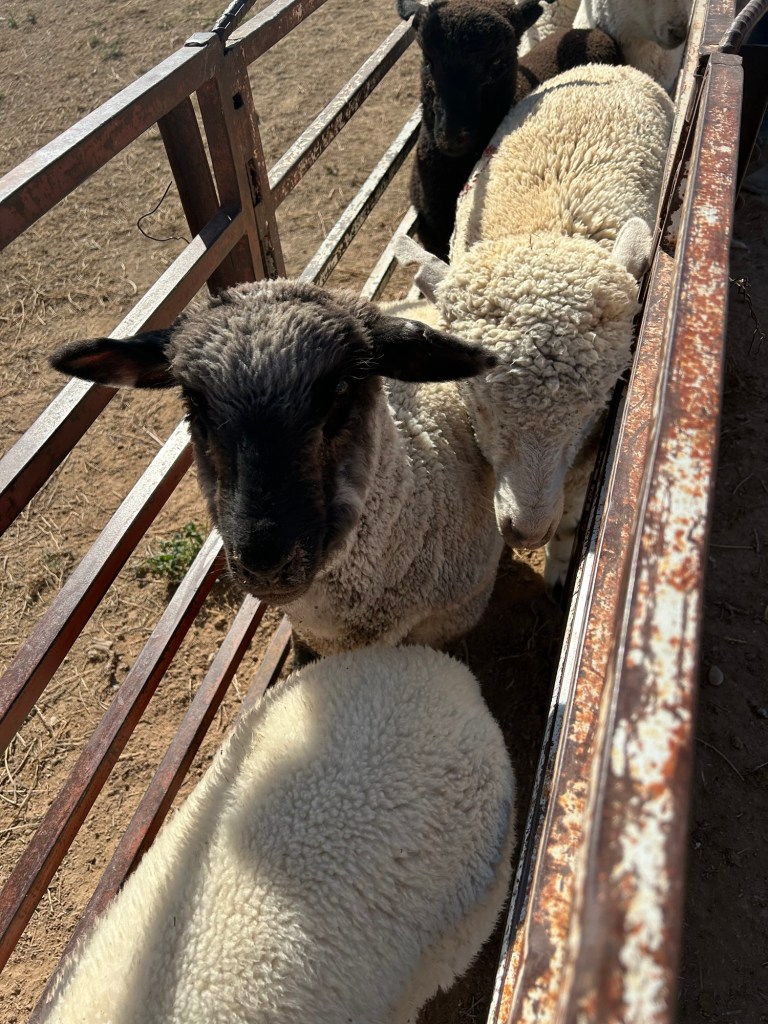
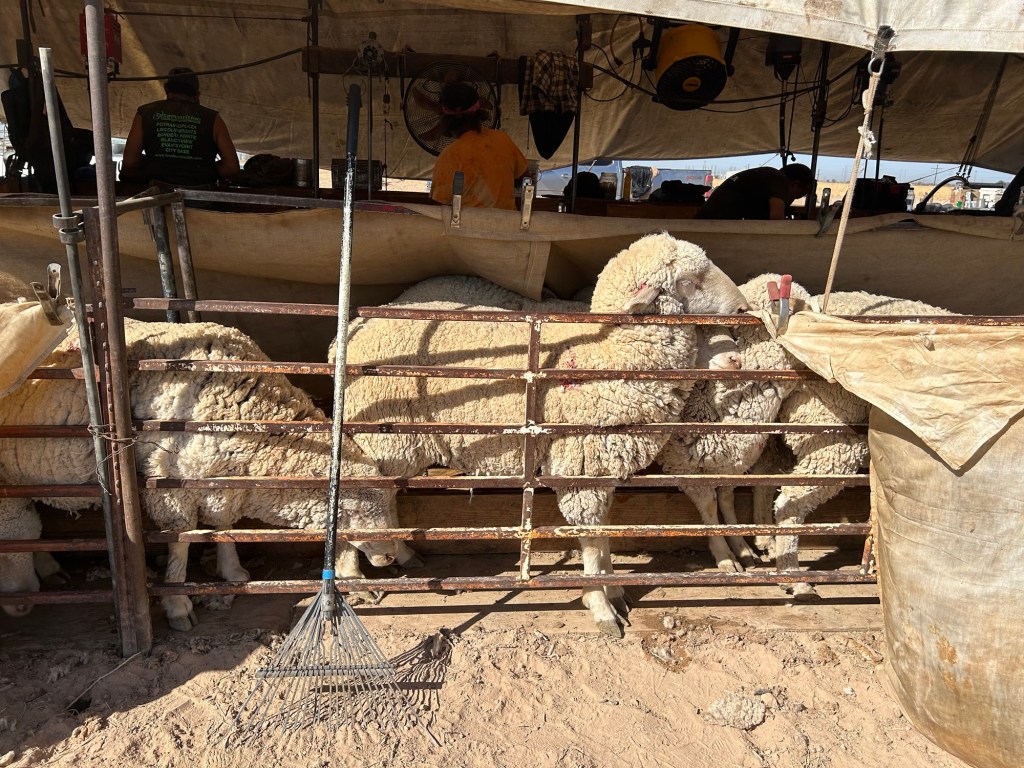
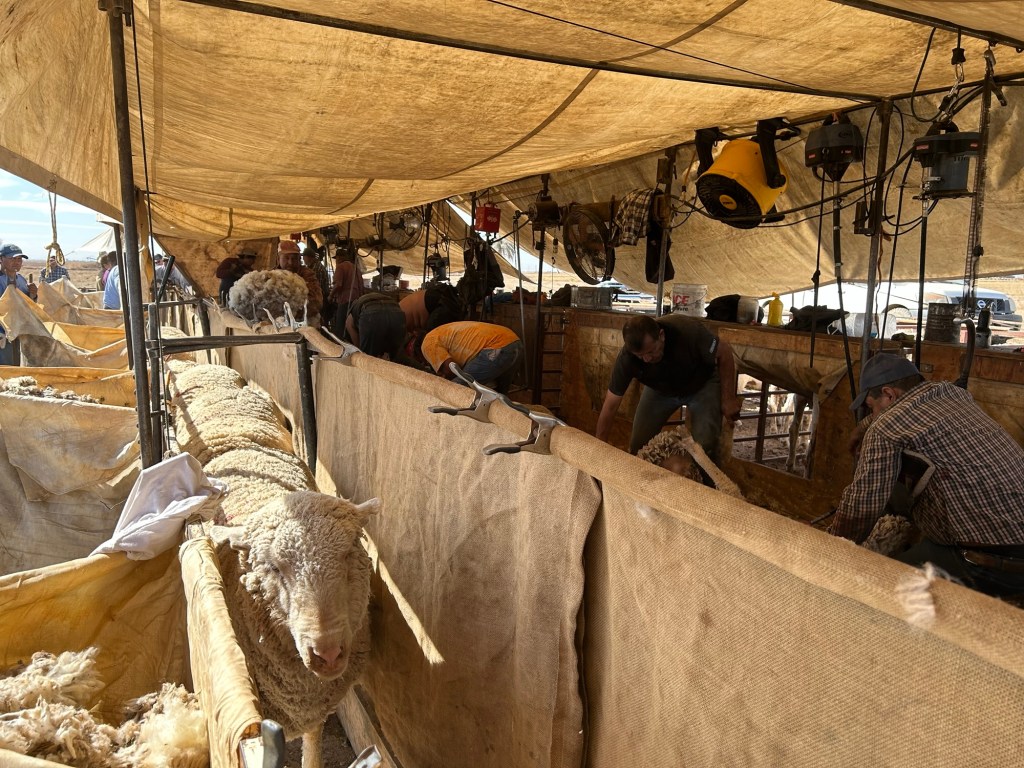
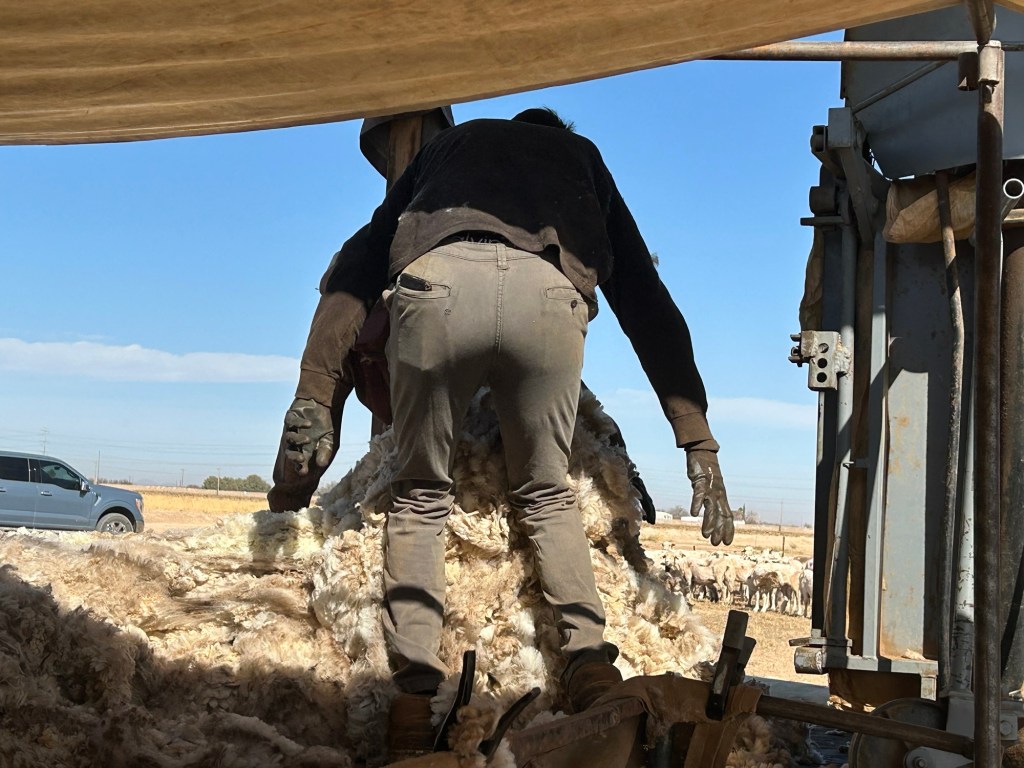
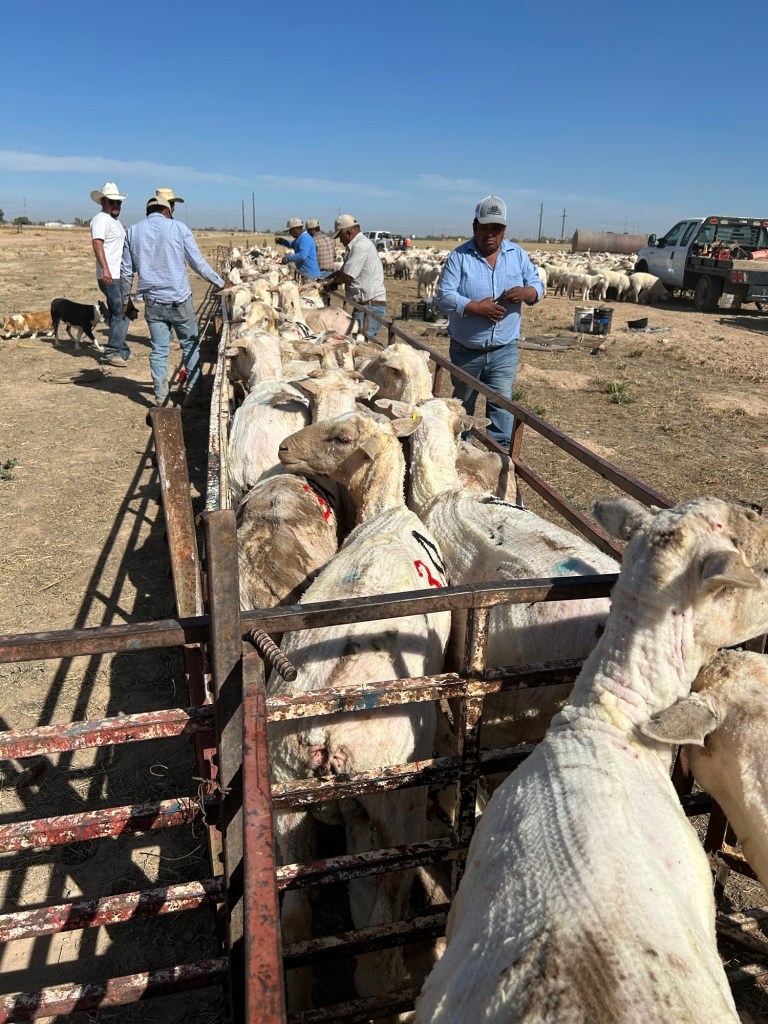
Our last stop was the shearing operation. This is organized chaos. Lambs crying for their mamas which are being sheared, ewes wanting to get ahead or see what the line hold up is, men pushing the ewes along the line for the next available shearer, the shearing, the gathering of the wool and putting it in the machine to be pressed down until the bag is about 400 pounds!
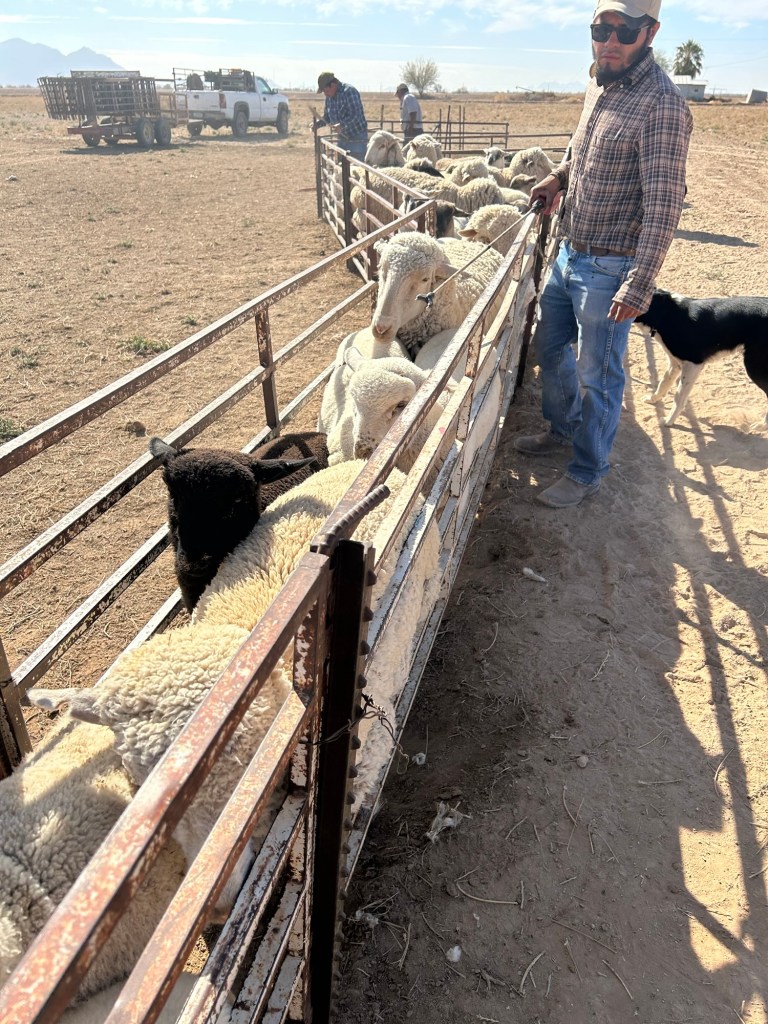
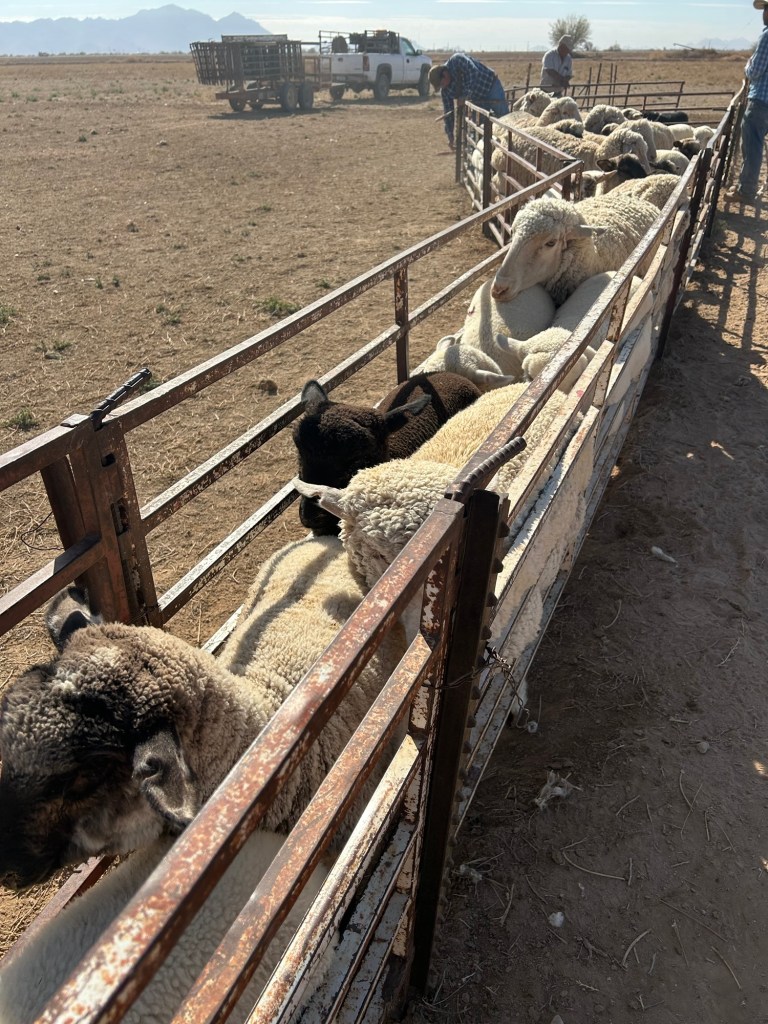
The last step after shearing is the vaccination process and the camp is broken down and moved to the next location. But the men will stop first for their lunch before shearing all afternoon.
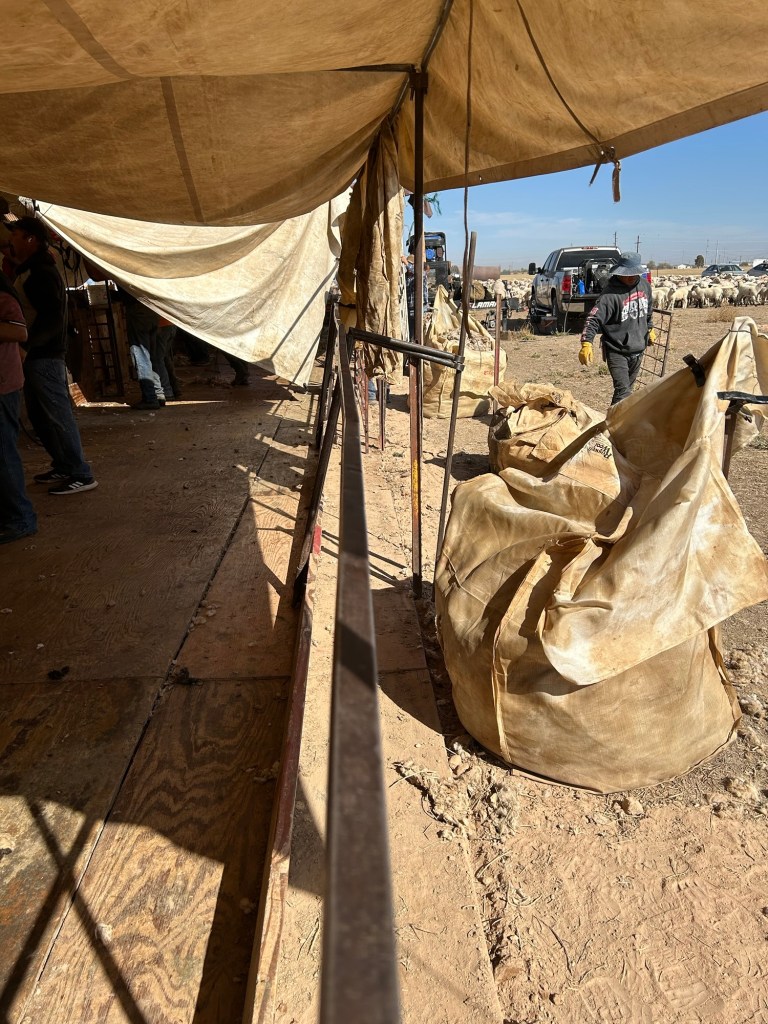
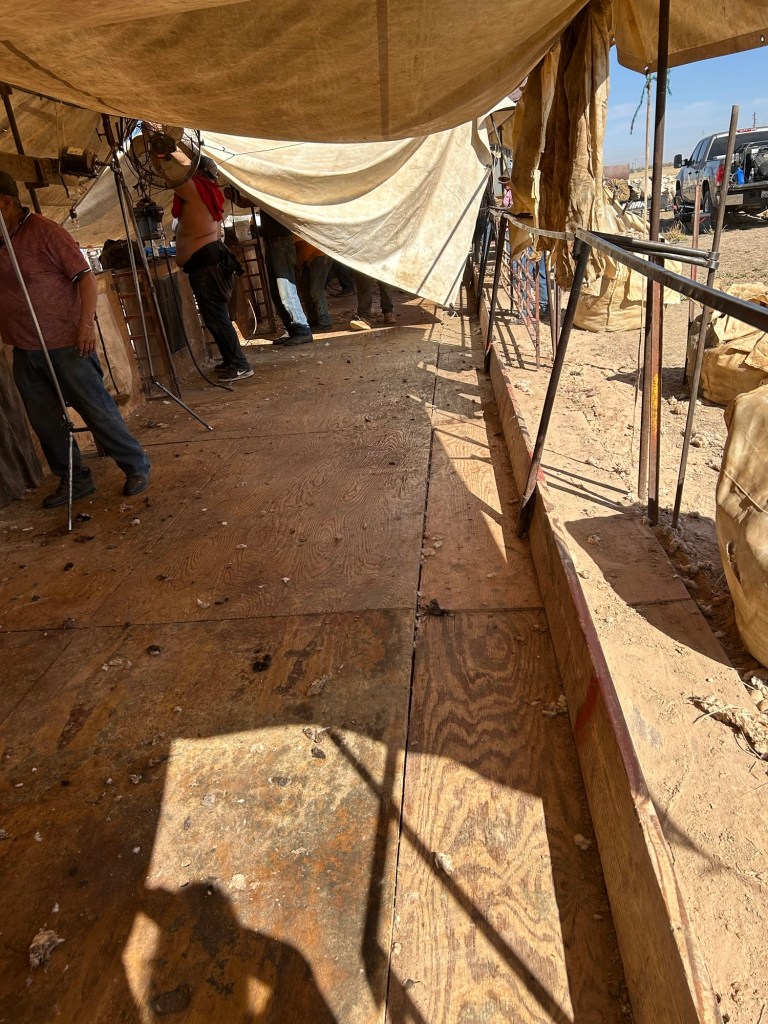
As soon as I can upload a couple of videos I will put on another post. For now enjoy. I hope to see you back for my next post.

Research

If you have sent requests for information about a sheep owner rest assured I am working on trying to answer your questions. I hope to post this Friday about Eldon Thude and Whitten and I’ll check for other requests too.

With Christmas and everything I got behind in my research but that should change now!

Just please be patient.

Thank you!

Last Flag Wool and Fiber 2024

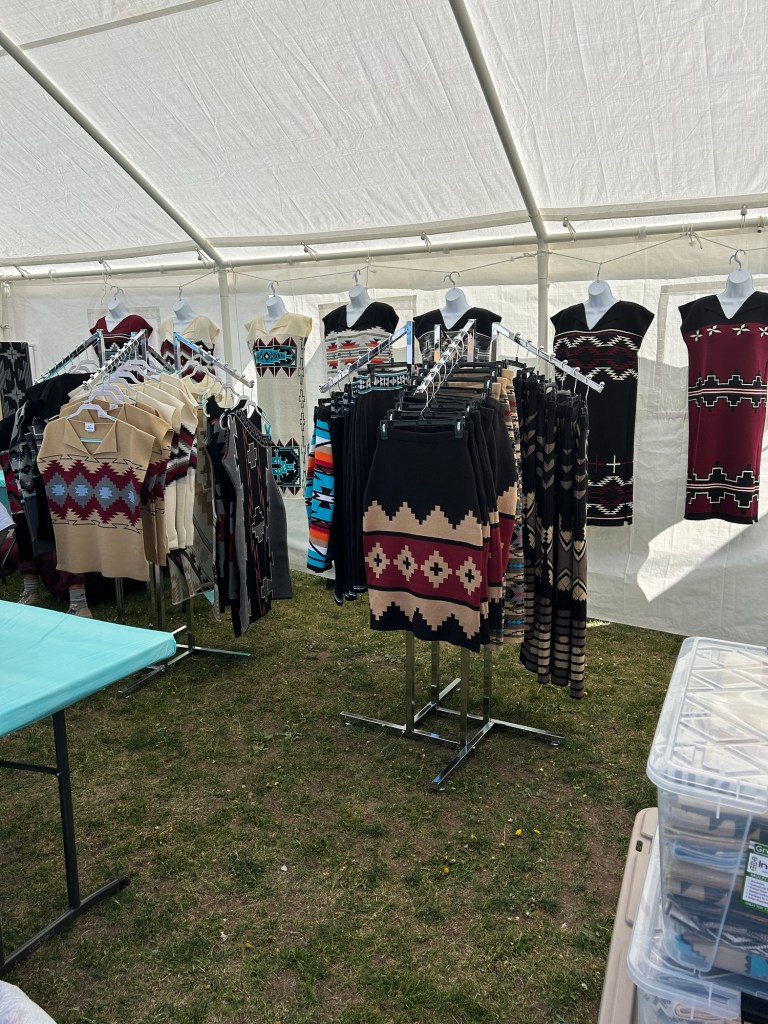
Here are the last of the pictures for the Wool Festival. Thank you all who were participants – vendors, demonstrators, volunteers and the public who came to support this event.

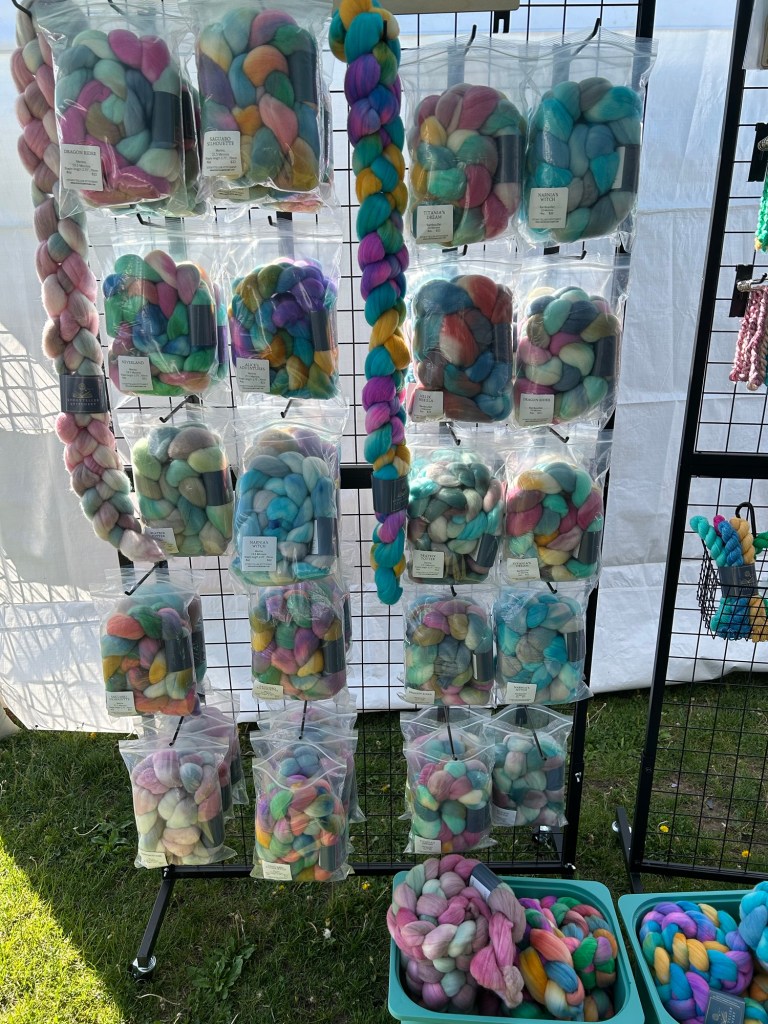
Up first – the many colors of wool in its various stages:

Some of the activities:

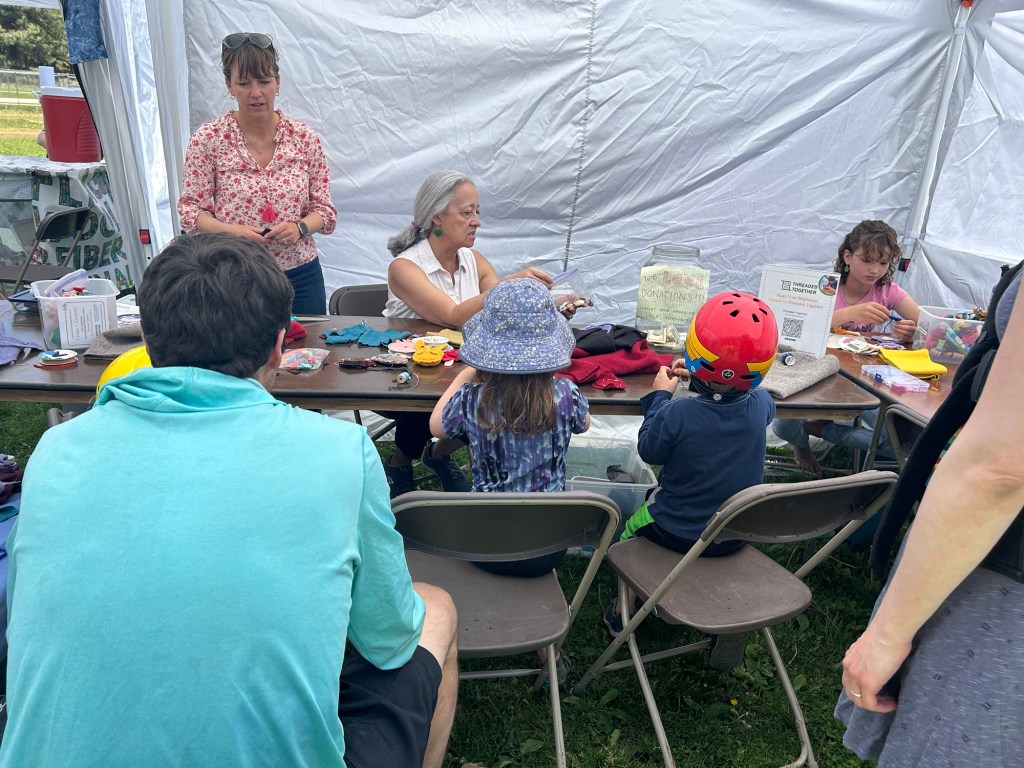
Children making whatever creative idea they wanted out of wool felt.
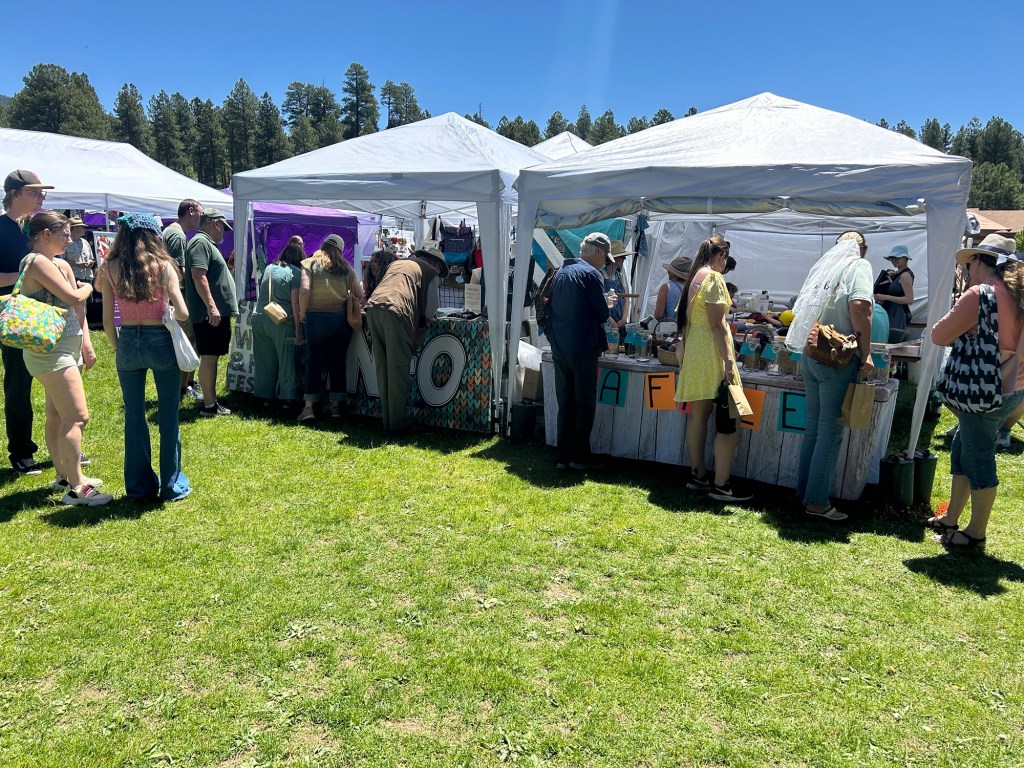
The shoppers!
Very early Saturday morning!

The demonstrations: Up first Navajo Hand Spinning and Carding with Tahnibaa Naataanii

Hope to see you at next Flag Wool and Fiber Festival 2025!

Flag Wool and Fiber Festival

Just a reminder that this year’s Flag Wool and Fiber Festival will be Saturday and Sunday June 1st and 2nd at the Arizona Historical Society Pioneer Museum 2340 N. Fort Valley Rd., Flagstaff.

Hours for Saturday – 9 am to 5 pm and Sunday – 9 am to 3 pm.

If you have never been to the Festival, there is something for everyone. Check out their website: flagwool.com for information on vendors, demonstrations and lectures, livestock exhibits, workshops, shearing and food.

Hope to see you there. It is always a great time. I volunteer one of the two days, usually Sunday so I can shop on Saturday. So come by the information booth and say “hi” to the Arizona Sheep Historian.

Sheep at the festival 2023! Getting ready to be sheared!

Sheep and Cattle Industry Begin 1924 Strong

In an article of January 4, 1924, entitled “Cattle and Sheep Industry of Arizona Bring a Big Return to the Range Men” many statistics are given by Charles U. Pickrell.  Sticking with just sheep information for the most part presented in the article we are given these facts:

  1. One-fourth of sheep graze on ranges within the limits of Indian Reservations. (One-third for cattle)
  2. Ninety per cent of the land within the state is available for grazing but the article does say that this will change with the development of reclamation projects diverting the grazing land for other types of agriculture. No mention of housing developments was mentioned. Arizona did not have a large population due to the lack of air conditioning.
  3. Pickrell stated that there were 1,115,000 sheep, 100,000,000 cattle, 152,000 goats, 100,000 horses and 11,200 hogs.
  4. The article divided the state into three distinct regions: the plateau region, the mountain region and desert region. There is considerable difference in climate and forage conditions in each of these.
  5. Sheep graze in all three areas shifting between winter and summer range as the temperatures either become too cold or too hot and as the feed begins to dry up from the hot temperatures.  Both sheep men and cattle men agreed that sheep can use the plateau region to better advantage than cattle.
  6.  Many of the sheep men live in Coconino, Navajo, Apache and Yavapai Counties with the number of sheep and sheep outfits decreasing in the order named. Cochise and Pinal Counties are seeing an increase in sheep while a few are now in Pima County.
  7. In the region of the desert and lower hills in southern Yavapai, northern Yuma, Maricopa and Mohave Counties, sheep will be found in large numbers, 200,000 it is estimated this year, during the winter. They will lamb here and shearing takes place. If the feed on the desert is scarce, the alfalfa fields are used for lambing.
  8. Most of these 200,000 sheep will be trailed northward along the Heber-Reno; Mud Tanks-Government Gap, Beaver Head-Grief Hill and Bear Springs-Prescott-Tonto Mountain trails.
  9. Arizona has a favorable wool market (at least at the time of this 1924 article).  The annual wool clip is approximately 6,600,000 pounds which is all marketed in Boston.

The weather had contributed to good conditions at the beginning of the year as stated in last week’s blog. Reports of the number of lambs born had not yet been determined as the lambing season would have just begun. The shearing was beginning so no results as to the poundage that would be available to ship to Boston.  In other articles found for January 1924, other information about the health of both the cattle and sheep industry were given. In most, sheep were economically better off than cattle. Only time will tell if this hold for the rest of 1924. It must be remembered that a depression occurred after World War I affecting the livestock but it seems from reading these early newspapers that the sheep industry faired more favorable.

Thude’s are Back Raising Sheep

Well that isn’t quite true.

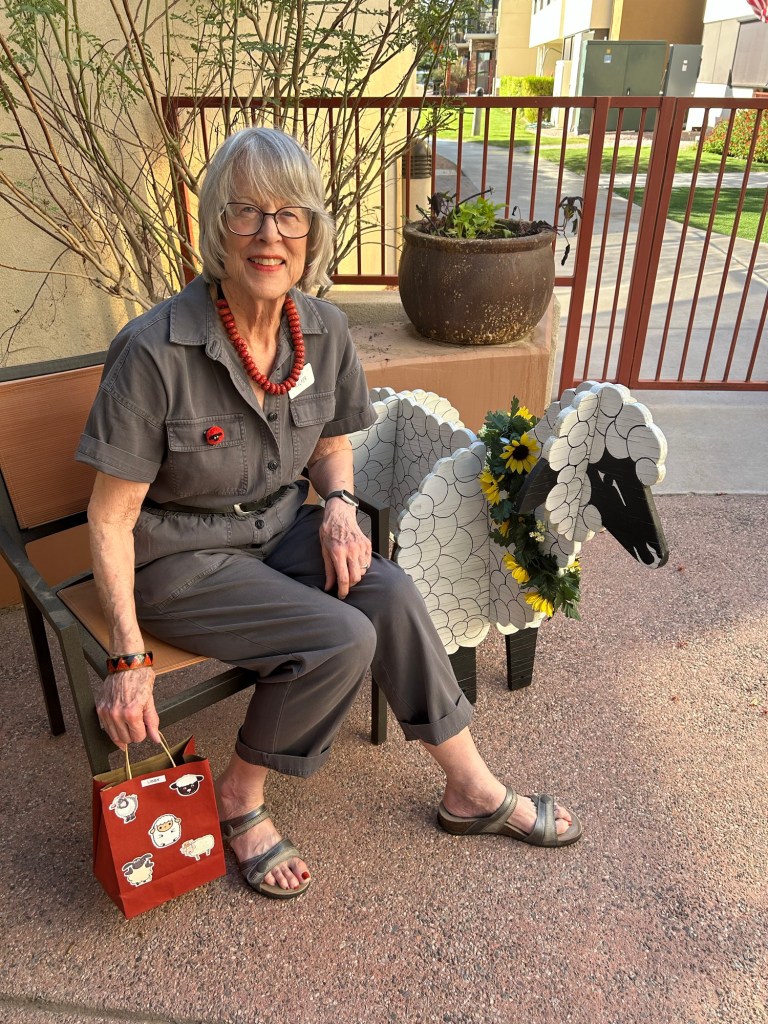
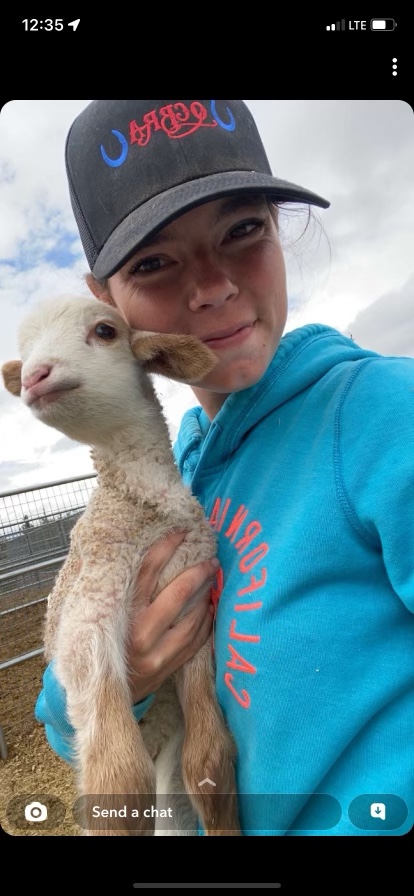
This is Staci Hancock Smith. She is carrying on the tradition of raising sheep.

Staci is the great great granddaughter of Gunnar Thude. Gunnar has been mentioned before on this blog and the years he raised sheep passing on the love of the sheep to his daughter Elma Sanudo. This is Elma’s great granddaughter.

While she may have only a few at the moment, who knows what may happen. Tomorrow we will look at sheep back in the Buckeye Valley!