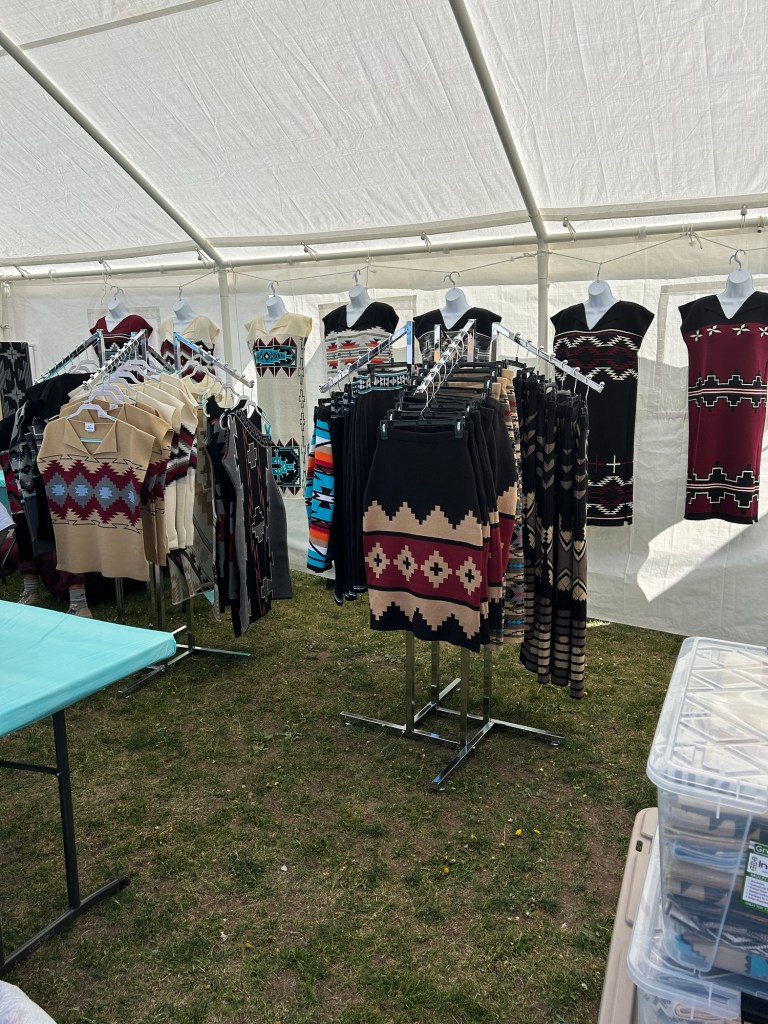
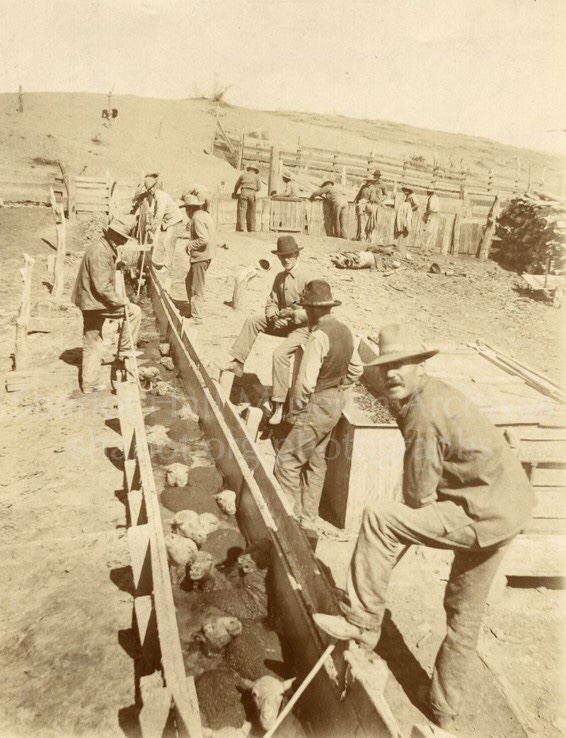
As I was searching through the first 11 days of June 1926 newspapers it was sparse for information on the sheep industry. My search terms were both sheep and wool. This is what was found:
Several newspapers mentioned that sheep were held longer than usual on their winter pastures and now just headed to the north to spend the summer in the plateau country. The spring downpours were beneficial to the livestock owners. The sheepman delayed moving flocks northward to take advantage of the abundant feed in the valley and thus giving the mountain pastures more growing season which the forest service officials said would greatly increase the quantity of grass for the summer.
It was interesting to note that, “the dates on which the driveways are used are regulated to meet the requirements of feed, lambing and shearing. The forest service has charge of the regulation of the movements of sheep, and the driveways are so located as to size and direction as to provide feed for ‘carrying’ the great bands of sheep as they make their month-long trips.” (Arizona Republic June 7, 1926)
A few people who were in the sheep business were mentioned. Some of that information just stated that they were visiting in Flagstaff getting ready to move their sheep to the north country. One sheepman, A.T. Kesslar, had sold his sheep. The other sheepmen mentioned were Carlos Costillo, J. C. Kaler, T.E. and R.R. Pollock, Harry Henderson, John Hennessy, Harlow Yeager, Colin Campbell and George Wilbur. Incorporation of the Wallaha Sheep Company by the Pollock’s was undertaken this month. In the research I have undertaken of the sheep industry in Arizona, Costillo and Kaler were unknown names to me. Those two men will need to be further researched.
There were wool shipments from Holbrook to Boston. Queen Creek reported that 18 carloads of sheep shipped in May. It did not report where the sheep were sent. One particular article mentioned the 27 carloads of sheep passed through Prescott in route to Williams and summer grazing grounds. The sheep came from Calipatria, California and were owned by the Daggs Sheep Company. Six thousand sheep also belonging to the Daggs were being held in Kirkland and would need to be shipped to Del Rio for the summer.
As to wool prices at the beginning of June, the newspaper articles stated that they were no higher (from what, I could not find an answer) but demand was slowly broadening. West wool was being shipped when buyers and growers agreed on prices. Consignments were increasing as growers were unwilling to accept current bids, preferring to take a chance that later the market would make advancements. Wool from foreign markets was going straight to mills as mills had reported an improved demand for goods. By the 11th of June, wool trading had increased but there was no significant change in wool price from buyers.
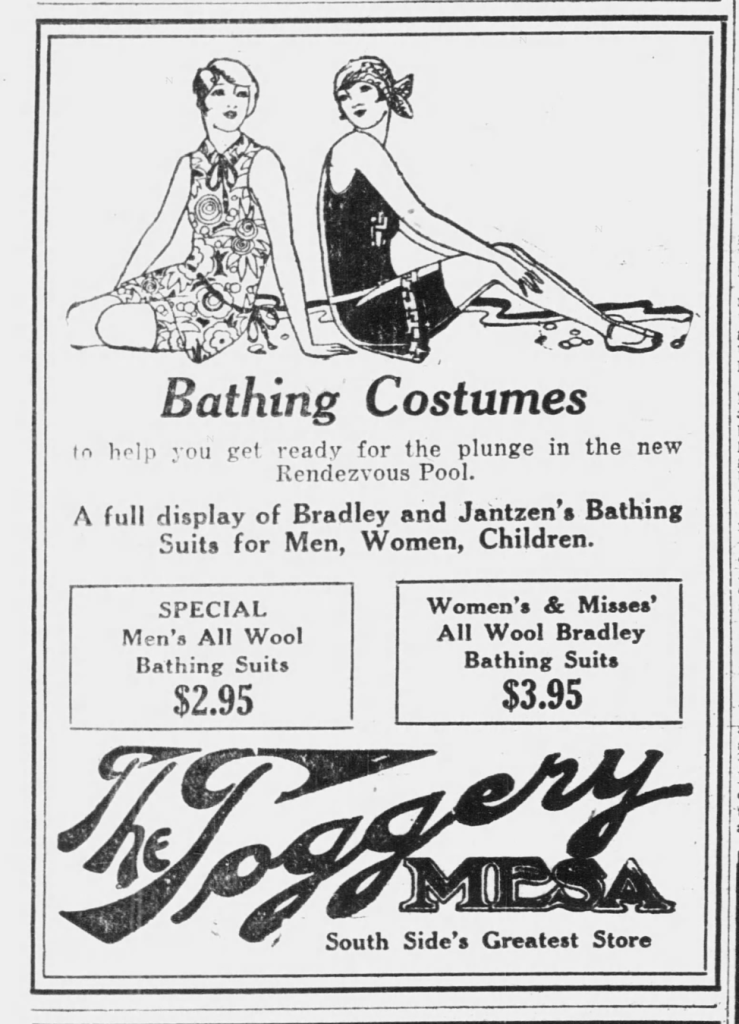
Several of the newspapers during the first eleven days of the month advertisements for wool clothing, especially wool bathing suits for both men and women. One also mentioned that the six passenger Studebaker with deep wide cushions durably upholstered in genuine wool and wool carpet.


Thanks for reading. Stay tuned for more!